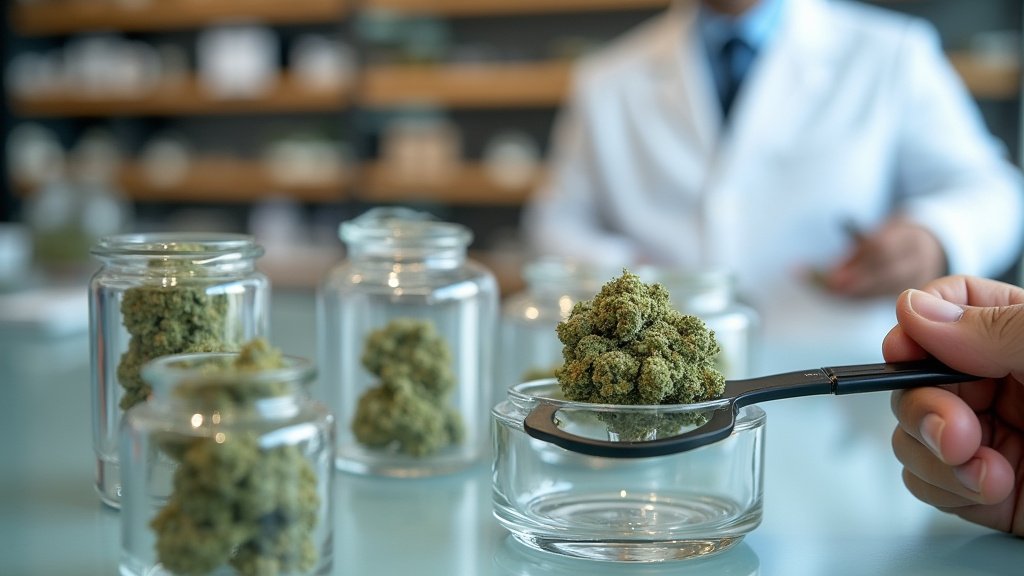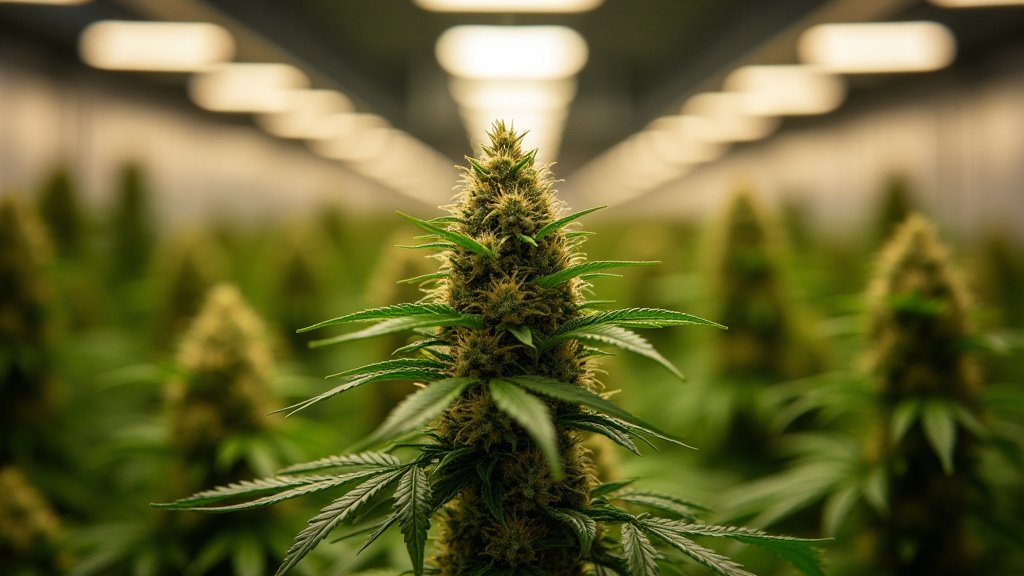
July 10th, widely recognized as 7/10 or Cannabis Oil Day, is more than just a date for enthusiasts of cannabis extracts, concentrates, and therapeutic oils. This year, the observance arrives at a pivotal moment in the ongoing dialogue surrounding federal cannabis reform. The day, which playfully spells “OIL” when the date is viewed upside down, serves as a critical milestone for patient education and advocacy regarding the diverse applications of cannabis oil products.
Key Highlights:
- Federal Rescheduling Hearings: The observance coincides with crucial administrative hearings considering a move for cannabis from Schedule I to Schedule III of the Controlled Substances Act.
- Shift in Federal Stance: This follows a recent directive that downscaled state-licensed medical marijuana, indicating a potential broader shift in federal drug policy.
- DEA’s Role: The Drug Enforcement Administration (DEA) is actively evaluating permanent changes to federal law, with these hearings being a central part of that process.
- Focus on Extracts: 7/10 specifically highlights cannabis oils and extracts, distinguishing them from traditional cannabis flower products.
- Patient Education: The day is a key opportunity to educate patients on the benefits and varied forms of cannabis oil.
A Landmark Moment for Cannabis Reform: From Schedule I to III?
The observance of Cannabis Oil Day on July 10th, 2026, is steeped in significance this year due to the concurrent federal administrative hearings regarding the potential rescheduling of cannabis. For decades, cannabis has been classified under Schedule I of the Controlled Substances Act, denoting a high potential for abuse and no currently accepted medical use in treatment. However, the ongoing discussions and evaluations by the Drug Enforcement Administration (DEA) signal a potential seismic shift towards Schedule III. This reclassification would acknowledge cannabis’s accepted medical use and lower its potential for abuse, a move that could dramatically alter research, medical access, and state-level programs across the United States.
The Path to Rescheduling: Administrative Hearings and Their Implications
The current administrative hearings represent the culmination of a complex process. They are a direct response to growing evidence of cannabis’s therapeutic value and increasing public and political support for reform. The DEA’s evaluation is critical, as any recommendation for rescheduling would need to be approved by the U.S. Department of Health and Human Services (HHS) and subsequently by the DEA itself. This process is meticulous and involves rigorous scientific and medical review. The outcome of these hearings could pave the way for broader federal acceptance of cannabis, impacting everything from interstate commerce of cannabis products to research funding and veterans’ access to medical marijuana. The downscaling of state-licensed medical marijuana, a preceding event, suggests a government actively grappling with the existing fragmented regulatory landscape.
7/10: More Than a Holiday, a Catalyst for Change
Cannabis Oil Day, or 7/10, has organically grown into a significant day for the cannabis community, particularly for those who rely on or advocate for cannabis concentrates and oils. The day emphasizes the diverse forms cannabis can take beyond traditional flower, focusing on potent and often targeted therapeutic applications derived from extracts. This focus aligns perfectly with the current federal reform discussions, which often highlight the medical potential of cannabis compounds. By drawing attention to cannabis oils, 7/10 serves as a powerful platform for patient testimonials, scientific education, and lobbying efforts aimed at informing policymakers about the realities of cannabis therapy. The shift from federal prohibition or strict control towards potential rescheduling acknowledges the evolving understanding of cannabis’s role in medicine and public health.
Historical Context and Future Projections
The journey of cannabis reform in the United States has been long and arduous. From the Reefer Madness era to the current wave of state-level legalization and federal reconsideration, the public and political discourse has transformed dramatically. The potential rescheduling to Schedule III is not an endpoint but a critical step. It would unlock significant opportunities for scientific research, allowing scientists to study cannabis more freely without the stringent limitations associated with Schedule I. This could lead to the development of new, evidence-based treatments and a more robust understanding of cannabinoid science. For the industry, it could mean greater legitimacy, increased investment, and a more stable regulatory environment. However, challenges remain, including ongoing state-federal conflicts and the need for comprehensive federal legislation that addresses issues like banking, taxation, and interstate commerce.
FAQ: People Also Ask
What is the significance of 7/10?
7/10, or Cannabis Oil Day, is an observance dedicated to cannabis extracts, concentrates, and therapeutic oils, distinct from traditional cannabis flower. It highlights the varied applications and benefits of these products.
What does Schedule III mean for cannabis?
Rescheduling cannabis to Schedule III would acknowledge its accepted medical use and lower its potential for abuse. This could facilitate research, medical access, and potentially change how cannabis is regulated federally, moving it away from the strictest category.
Who is evaluating the rescheduling of cannabis?
The Drug Enforcement Administration (DEA) is currently holding administrative hearings to evaluate the potential rescheduling of cannabis. This process involves input from various agencies, including the U.S. Department of Health and Human Services (HHS).
How does 7/10 relate to federal law changes?
The observance of 7/10 this year coincides with critical federal administrative hearings on cannabis rescheduling, making it a timely moment to highlight patient education and the potential for significant federal legal reform.
What is the difference between Schedule I and Schedule III drugs?
Schedule I drugs are considered to have a high potential for abuse and no currently accepted medical use (e.g., heroin). Schedule III drugs have a moderate to low potential for physical or psychological dependence and have an accepted medical use (e.g., ketamine, anabolic steroids).