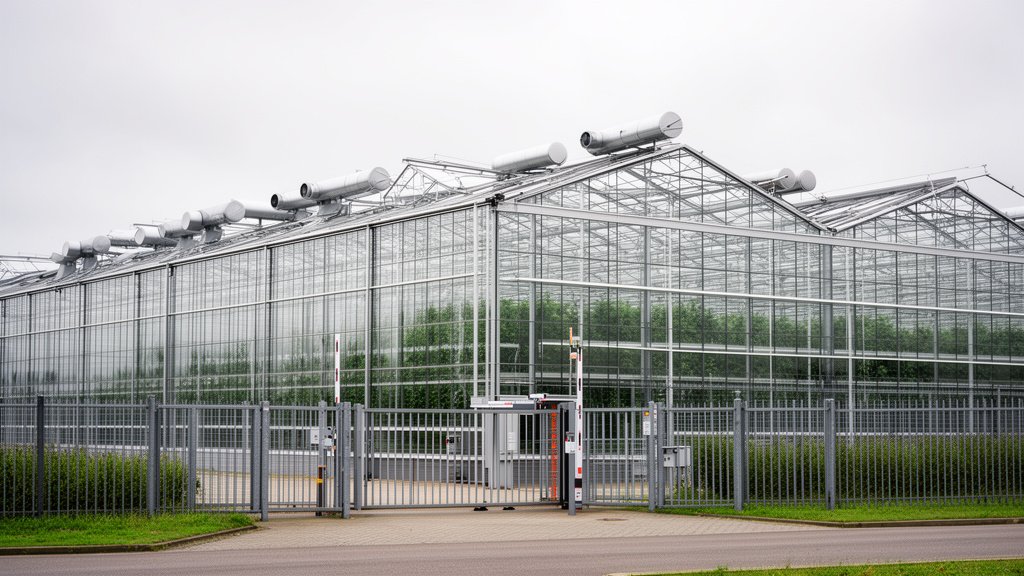
The U.S. marijuana industry has achieved a significant financial milestone, with valuations now estimated to exceed $50 billion. This landmark figure reflects a period of robust growth and increasing investor confidence in the burgeoning legal cannabis sector. The industry’s expansion is driven by a combination of evolving public perception, state-by-state legalization, and sophisticated market development.
Key Highlights:
- The U.S. cannabis market is now valued at over $50 billion.
- This growth is fueled by an increasing number of states legalizing both medical and recreational use.
- Investor interest and capital inflow are at an all-time high.
- The industry is maturing with the development of sophisticated business models and supply chains.
The Maturing Cannabis Economy
The $50 billion valuation of the U.S. marijuana industry marks a pivotal moment, signaling its transition from a nascent market to a significant economic force. This surge in value is not merely speculative; it’s underpinned by tangible progress in legalization frameworks across the United States and a growing acceptance by mainstream consumers. As more states embrace cannabis reform, the industry benefits from expanded market access, increased consumer spending, and the development of ancillary businesses that support cultivation, processing, distribution, and retail.
Shifting Legal Landscapes
The primary catalyst for this economic boom is the patchwork of state-level legalization. While federal prohibition remains a significant hurdle, the growing number of states permitting medical and/or recreational cannabis has created substantial market opportunities. Each new state that legalizes opens up a new consumer base and attracts further investment, creating a domino effect that propels the industry forward. This decentralized approach, however, also presents unique challenges in terms of regulatory compliance and interstate commerce.
Investor Confidence and Capital Inflow
With increasing legitimacy and market size, the marijuana industry has become an attractive destination for investors. Venture capital, private equity, and even some public market interest have poured into cannabis companies, from multi-state operators (MSOs) to innovative technology providers and consumer brands. This influx of capital is crucial for scaling operations, funding research and development, and navigating the complex regulatory environment. The $50 billion valuation reflects not just current revenue but also the projected future growth and profitability of the sector.
Innovation and Market Sophistication
Beyond the financial metrics, the industry’s maturation is evident in its increasing sophistication. Companies are investing in advanced cultivation techniques, developing novel product formulations (like edibles, beverages, and topicals), and implementing robust marketing and branding strategies. Technology plays a vital role, with advancements in data analytics for consumer insights, supply chain management software, and point-of-sale systems. This professionalization is essential for the industry to overcome lingering stigma and compete effectively.
Economic Impact and Job Creation
The rapid growth of the marijuana industry has a tangible positive impact on state economies. It generates significant tax revenue from sales and business operations, which can then be allocated to public services. Furthermore, the industry is a substantial job creator, employing individuals in cultivation, processing, retail, security, marketing, and various support roles. The expansion of the legal cannabis market contributes to economic diversification and provides opportunities in regions that may be experiencing shifts in traditional industries.
FAQ: People Also Ask
What is the current total market value of the U.S. marijuana industry?
The U.S. marijuana industry is currently valued at over $50 billion.
What are the main drivers of growth in the cannabis sector?
The primary drivers include state-by-state legalization of medical and recreational cannabis, increasing consumer acceptance, and significant investor interest.
How does federal prohibition affect the marijuana industry?
Federal prohibition creates challenges related to banking access, interstate commerce, taxation, and regulatory uncertainty, despite state-level legalization.
What types of jobs are created in the cannabis industry?
The industry creates jobs across a wide spectrum, including cultivation, manufacturing, retail, marketing, legal services, security, and technology.
What are some of the challenges facing the marijuana industry?
Key challenges include navigating complex and varying state regulations, securing adequate banking and financial services, addressing social equity issues, and combating the illicit market.