Embark on your cannabis cultivation journey with confidence by mastering the fundamentals of safe soil and water setups. This guide demystifies the essential components and practices for creating an optimal environment for your plants, ensuring healthy growth from seed to harvest.
Key Highlights:
- Choose the right soil mix: Opt for well-draining, aerated potting mixes specifically designed for cannabis.
- Watering essentials: Understand frequency, amount, and water quality to prevent over or under-watering.
- pH balance is crucial: Maintain the correct pH level in both soil and water for nutrient absorption.
- Drainage is key: Ensure adequate drainage to prevent root rot and promote healthy root systems.
The Foundation of Healthy Cannabis Growth: Soil and Water Essentials
Cultivating cannabis, whether for personal use or commercial purposes, hinges on providing the plant with the ideal environment, with soil and water being the most critical foundational elements. For beginners, understanding these components is paramount to achieving successful and healthy plant growth. This section delves into the intricacies of selecting the right soil and implementing proper watering techniques, emphasizing safety and efficacy.
Selecting the Right Soil Medium
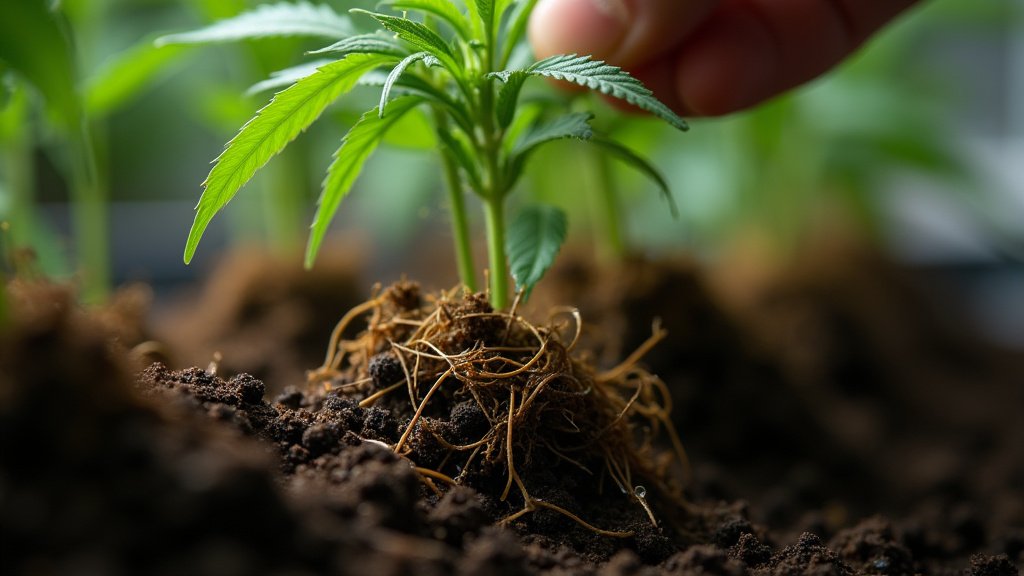
The soil acts as the anchor for your cannabis plant and is its primary source of nutrients, water, and oxygen. A beginner’s best bet is to avoid starting from scratch with complex soil recipes. Instead, opt for high-quality, pre-mixed potting soils specifically formulated for cannabis. These mixes typically offer a balanced blend of organic matter, aeration components (like perlite or vermiculite), and essential nutrients to get your plants started. Look for terms like ‘well-draining,’ ‘aerated,’ and ‘organic’ on the packaging. These characteristics ensure that the roots receive ample oxygen and prevent waterlogging, a common pitfall that can lead to root rot.
The Art and Science of Watering
Water is life for any plant, but with cannabis, the quantity and frequency are critical. Overwatering is one of the most common mistakes beginners make. It suffocates the roots by leaving no air pockets in the soil, leading to yellowing leaves, wilting, and potential root rot. Underwatering, while less common, can cause stunted growth and stress to the plant. The key is to water only when the top inch or two of the soil feels dry to the touch. When you do water, ensure you water thoroughly until a small amount of runoff emerges from the drainage holes at the bottom of the pot. This runoff helps to flush out any accumulated salts and ensures the entire root ball receives moisture. The quality of your water also matters. Ideally, use filtered or reverse osmosis (RO) water. Tap water can contain chlorine and other minerals that might affect the pH or nutrient balance of your soil.
Maintaining Optimal pH Levels
Perhaps one of the most scientifically critical aspects of cannabis cultivation is maintaining the correct pH level. pH refers to the acidity or alkalinity of the soil or water. Cannabis plants thrive within a specific pH range, typically between 6.0 and 7.0 in soil, and slightly lower, around 5.5 to 6.5, when using hydroponic or soilless mediums. If the pH is too high or too low, the plant cannot efficiently absorb essential nutrients, even if they are present in the soil. This can lead to nutrient deficiencies, manifesting as discolored leaves or stunted growth. Beginners can use pH testing kits or meters to measure the pH of their water and soil. If adjustments are needed, pH Up or pH Down solutions can be used to bring the levels into the optimal range.
The Importance of Drainage
Drainage goes hand-in-hand with proper watering and soil selection. A pot with adequate drainage holes is non-negotiable. These holes allow excess water to escape, preventing the soil from becoming waterlogged and promoting healthy root development. If you’re reusing pots, ensure the drainage holes are not blocked. Some growers also add a layer of gravel or LECA (Lightweight Expanded Clay Aggregate) at the bottom of the pot, though this is debated among experts; the most crucial factor remains having sufficient holes for water to exit freely.
FAQ: People Also Ask
What is the best soil for beginner cannabis growers?
For beginners, a high-quality, pre-mixed organic potting soil designed for cannabis is highly recommended. These soils provide a balanced foundation and are formulated for good drainage and aeration, reducing the risk of common cultivation errors.
How often should I water my cannabis plants?
Water your cannabis plants when the top 1-2 inches of soil feel dry to the touch. Water thoroughly until you see a small amount of runoff from the bottom of the pot. Avoid a strict watering schedule, and always check the soil moisture first.
What is the ideal pH for cannabis?
The ideal pH for cannabis is generally between 6.0 and 7.0 when grown in soil. For hydroponic or soilless systems, the range is slightly lower, typically 5.5 to 6.5.
How can I tell if I’m overwatering my cannabis plants?
Signs of overwatering include yellowing leaves (often starting from the bottom of the plant), wilting despite moist soil, and slow growth. The soil will also likely remain soggy for extended periods.
What is ‘runoff’ when watering cannabis, and why is it important?
Runoff is the water that drains out of the bottom of the pot after watering. It’s important because it helps to flush out excess salts and minerals that can build up in the soil, ensuring the plant can absorb nutrients effectively and preventing potential toxicity.