As spring unfolds, cannabis cultivators are gearing up for what promises to be a bountiful 2026 harvest. This season brings renewed focus on sustainable practices, advanced cultivation techniques, and optimizing yield through meticulous preparation. From selecting the right strains to implementing precise nutrient regimens, growers are leaving no stone unturned in their pursuit of a premium crop.
Key Highlights:
- Strain Selection: Choosing varieties suited for spring growing conditions.
- Nutrient Management: Implementing balanced feeding schedules for optimal growth.
- Pest & Disease Control: Proactive strategies to safeguard the crop.
- Environmental Control: Optimizing light, temperature, and humidity.
- Harvest Planning: Preparing for optimal timing and curing processes.
Cultivation Countdown: Mastering the Spring Cannabis Grow
Spring presents a unique window for cannabis cultivation, offering milder temperatures and increasing daylight hours that are conducive to robust plant development. Successfully navigating this season requires a blend of traditional wisdom and modern horticultural science. Growers are advised to begin their preparations well in advance, ensuring all necessary supplies and knowledge are at hand. The selection of genetics is paramount; choosing strains known to thrive in spring conditions can significantly impact the final yield and quality. Indica-dominant hybrids often perform well, offering resilience and a more compact growth habit that is easier to manage. Conversely, some sativa-dominant strains may require more space and attention to light cycles.
Environmental Mastery: Light, Temp, and Humidity
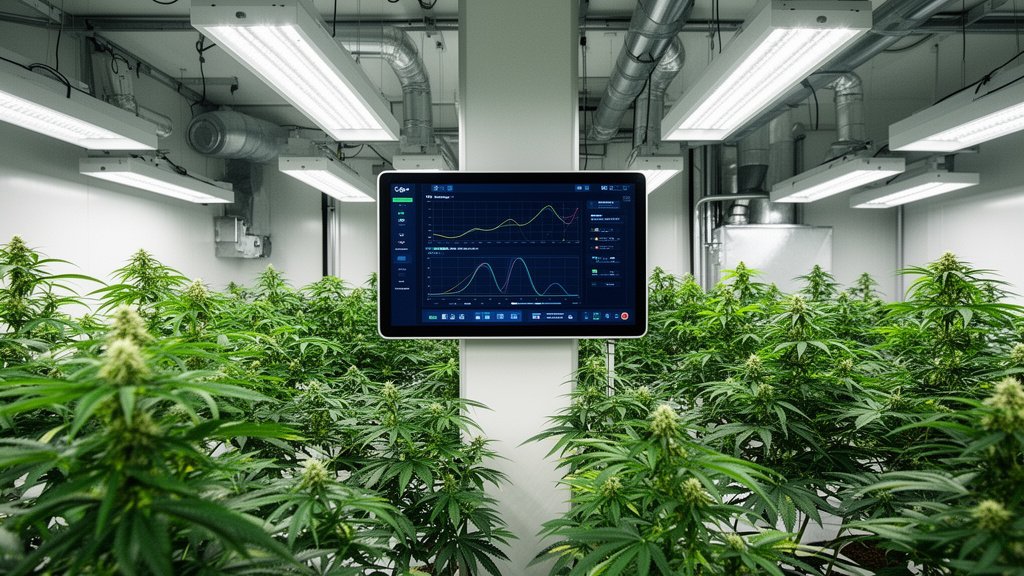
Controlling the growing environment is crucial. For outdoor grows, selecting a site with ample direct sunlight is key. Understanding your local microclimate can help mitigate risks associated with unexpected weather shifts. Indoor growers must meticulously manage their light, temperature, and humidity. The transition from vegetative to flowering stages, which often occurs in spring, requires precise adjustments to light schedules and spectrums. Maintaining optimal humidity levels, typically between 40-60% during flowering, is vital to prevent mold and mildew while ensuring healthy bud development. Temperature fluctuations should be minimized, aiming for a consistent range that supports vigorous growth without stressing the plants.
The Art of Nutrition: Feeding for Flourish
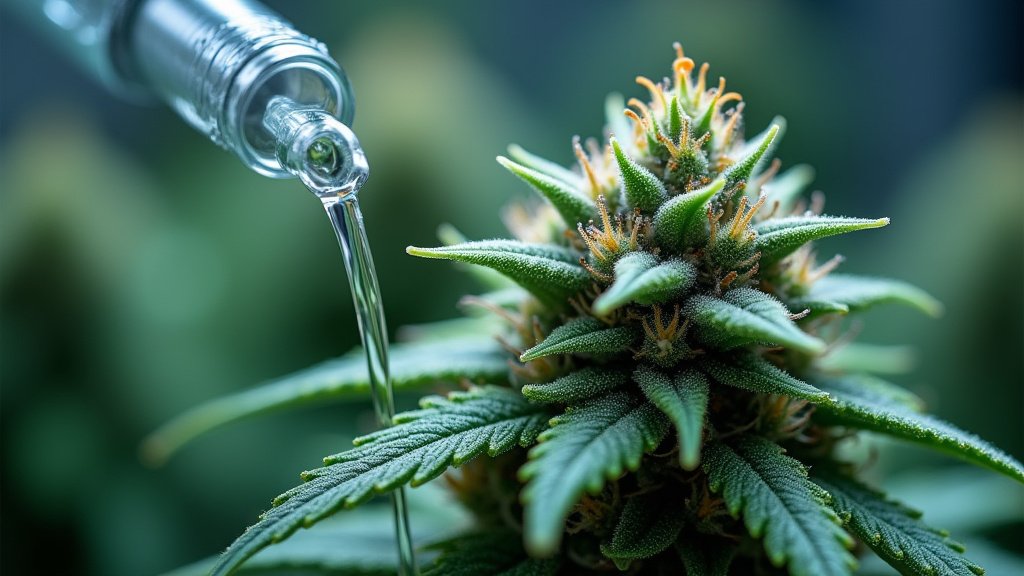
A well-timed and balanced nutrient program is the backbone of a successful harvest. As plants enter their rapid growth phases, they require a carefully calibrated mix of macro and micronutrients. Nitrogen is essential during vegetative growth, while phosphorus and potassium become more critical during the flowering stage to support bud development and resin production. Growers are increasingly turning to organic and living soil amendments to foster a healthy root ecosystem, which in turn enhances nutrient uptake and overall plant health. Hydroponic systems offer faster nutrient delivery but demand precise monitoring of pH and EC levels to prevent deficiencies or toxicities. Many cultivators are also experimenting with bloom boosters and terpene enhancers to further refine the aroma, flavor, and potency of their final product.
Defense Strategies: Pest and Disease Prevention
Proactive pest and disease management is far more effective than reactive treatment. Spring can bring an influx of common pests like spider mites, thrips, and aphids. Implementing integrated pest management (IPM) strategies, which include regular scouting, beneficial insect releases, and the judicious use of organic pesticides, is highly recommended. Maintaining plant hygiene, ensuring good airflow, and avoiding overcrowding can also significantly reduce the risk of fungal diseases such as powdery mildew and bud rot. Growers are also focusing on building plant resilience through proper nutrition and stress reduction techniques, making them less susceptible to infestations and infections.
The Harvest Horizon: Timing and Curing
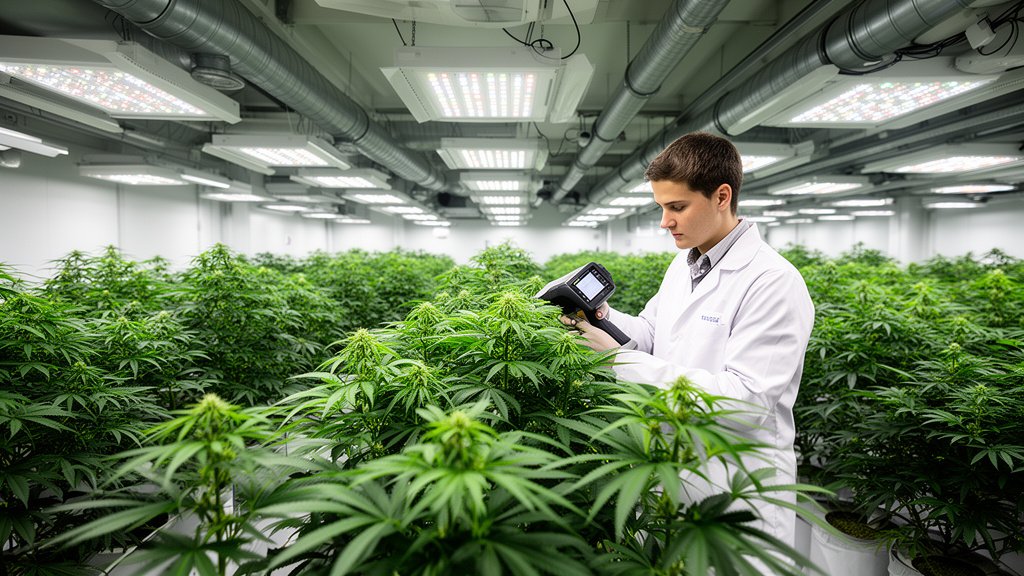
Knowing when to harvest is an art informed by science. Growers typically monitor trichome development using a jeweler’s loupe or microscope. The desired trichome color—clear, milky, or amber—dictates the cannabinoid and terpene profile of the final product. Harvesting too early can result in a less potent and underdeveloped crop, while harvesting too late can lead to a degradation of THC and a more sedative effect. Post-harvest, the drying and curing process is as critical as the cultivation itself. Proper drying, usually in a controlled environment with moderate temperature and humidity, preserves the terpene profile and prevents mold. Curing, typically involving storing dried buds in airtight containers with periodic burping, allows chlorophyll to break down and flavors to develop, resulting in a smooth, palatable, and potent final product.
FAQ: People Also Ask
What are the most important factors for a spring cannabis harvest?
The most important factors include selecting appropriate genetics for spring conditions, meticulously managing the growing environment (light, temperature, humidity), implementing a balanced nutrient regimen, proactively managing pests and diseases, and accurately timing the harvest and curing processes.
When is the best time to start planting cannabis for a spring harvest?
Planting times vary based on climate and whether you are growing indoors or outdoors. For outdoor grows, it’s generally best to start seeds or clones indoors a few weeks before the last frost and transplant them outside once the danger of frost has passed and nighttime temperatures are consistently above 50°F (10°C). Indoor planting can occur year-round.
How can I improve the yield of my spring cannabis crop?
To improve yield, focus on providing optimal light intensity and duration, ensuring adequate nutrient availability tailored to the plant’s growth stage, maintaining ideal environmental conditions, practicing proper pruning and training techniques (like topping or LST), and using high-quality genetics.
What are common pests and diseases to watch out for in spring cannabis cultivation?
Common pests include spider mites, aphids, thrips, and whiteflies. Fungal diseases like powdery mildew, bud rot (botrytis), and root rot are also prevalent, especially if humidity and airflow are not properly managed.
How does weather affect a spring cannabis grow?
Spring weather can be unpredictable. Sudden cold snaps can shock or damage young plants, while excessive rain can increase the risk of fungal diseases and mold. Strong winds can also cause physical damage. Growers often use protective measures like greenhouses, cold frames, or temporary covers for outdoor plants, and rely on climate control systems for indoor grows.