California Strengthens Water Rules for Outdoor Cannabis Cultivators
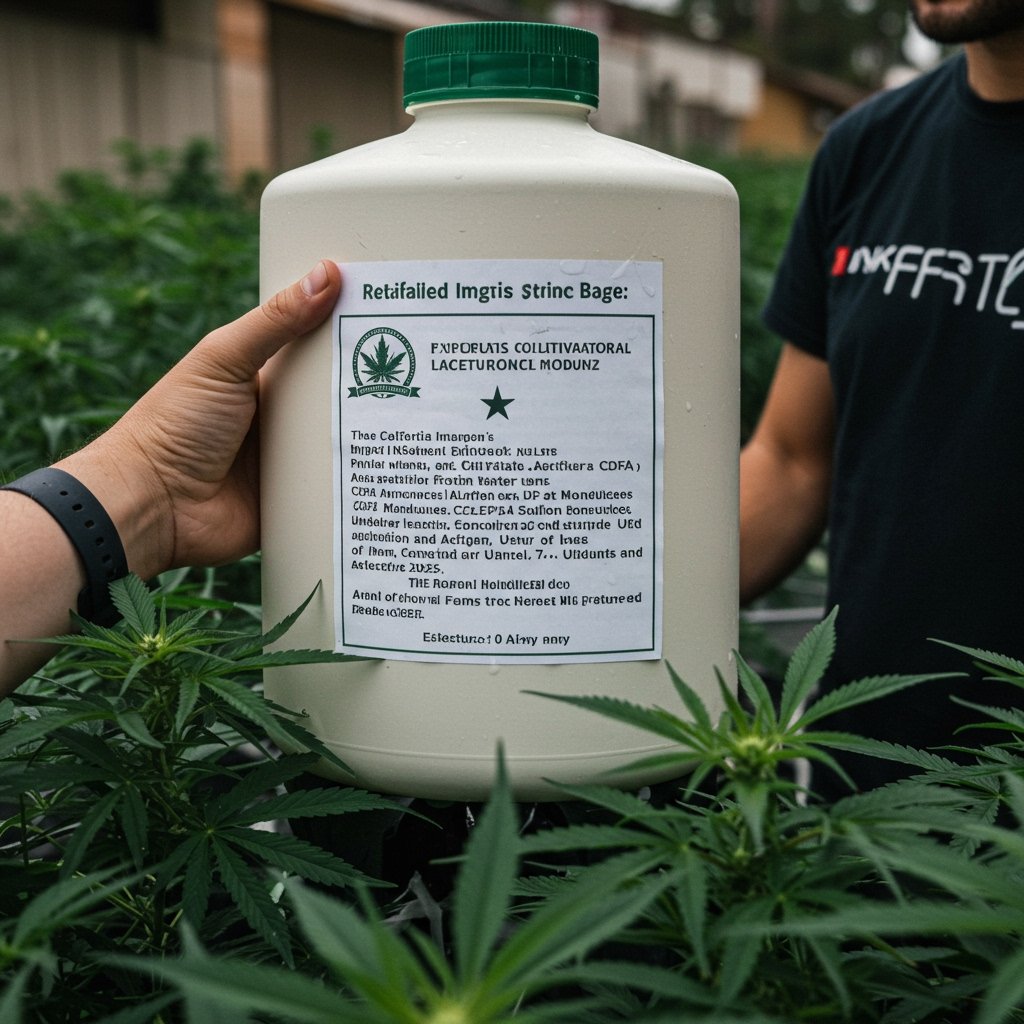
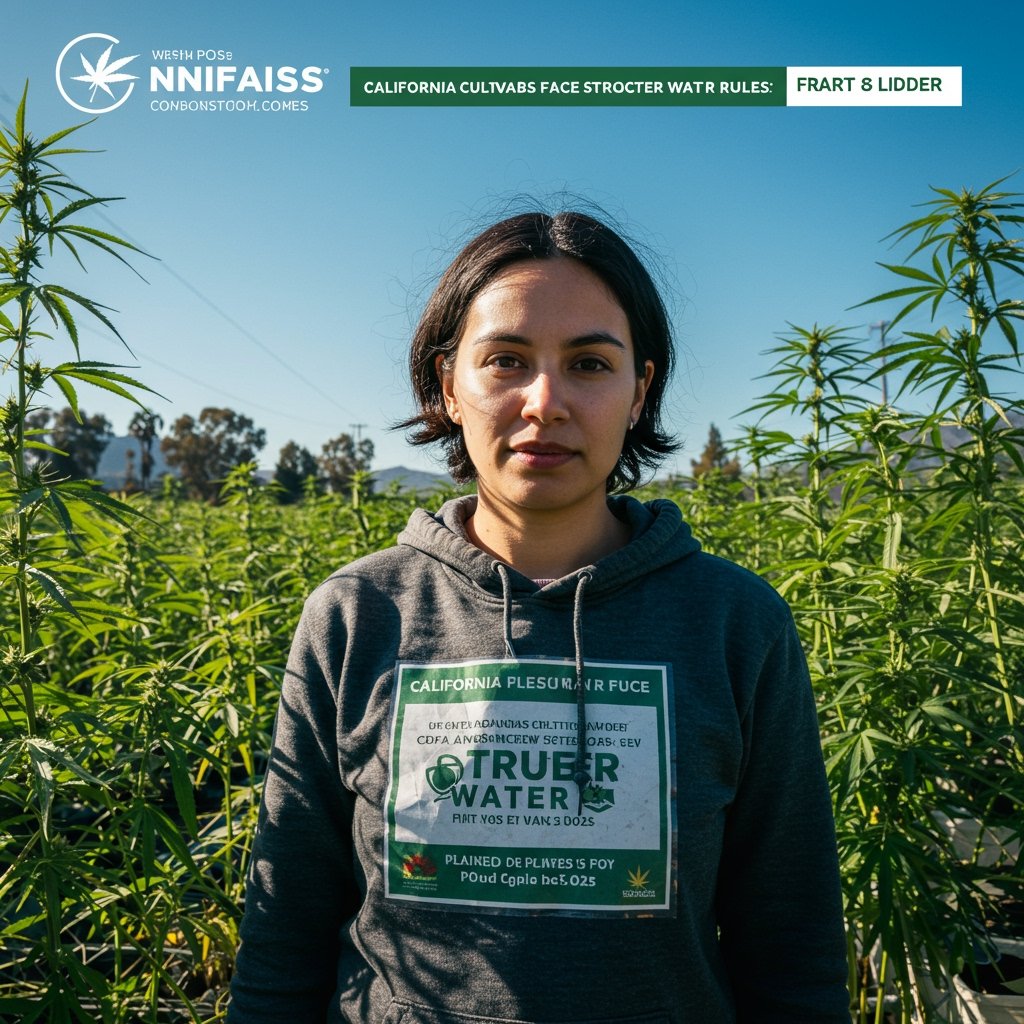
The California Department of Food and Agriculture (CDFA) has announced significant updates to environmental regulations specifically targeting licensed outdoor cannabis cultivators across the state. These new mandates, set to become effective on June 15, 2025, introduce stringent requirements for water conservation and usage reporting, marking a pivotal moment in the state’s efforts to integrate cannabis agriculture into its comprehensive water sustainability strategies. The move comes as California continues to grapple with the challenges posed by climate change and persistent drought conditions, necessitating responsible water stewardship across all economic sectors, including the burgeoning legal cannabis industry.
Detailed Regulatory Requirements
At the core of the new regulations is the mandate for licensed outdoor cultivators to develop and implement detailed water conservation plans. These plans are not merely theoretical documents; they must outline concrete, site-specific strategies and practices the cultivator will employ to minimize water consumption throughout their operations. This includes an analysis of water sources, proposed efficient operational practices, and, crucially, the adoption of advanced irrigation technologies. The CDFA’s rules explicitly require the implementation of specific irrigation technologies like drip systems or other equally or more efficient methods. Drip irrigation is widely recognized for its efficiency, delivering water directly to the plant roots and significantly reducing water loss through evaporation, wind drift, and runoff compared to traditional methods like flood or sprinkler irrigation. This technological requirement is designed to ensure that water resources are used as prudently as possible, reflecting best practices in water-scarce agricultural environments and promoting resilience against drought.
Beyond planning and technology adoption, the new rules also introduce a mandatory monthly reporting on water usage requirement. This reporting obligation applies specifically to farms exceeding one acre in size. Cultivators operating on parcels larger than this threshold must meticulously track and report their water consumption data to the state on a monthly basis. This data collection is intended to provide regulatory bodies with a clear picture of water use within the large-scale outdoor cannabis sector, allowing for better resource management, monitoring, and enforcement. The one-acre threshold targets larger commercial operations, which typically have a greater aggregate impact on local and regional water resources. The data collected will be essential for understanding the overall water footprint of the outdoor cannabis industry, identifying trends in water usage, and informing potential future policy adjustments or targeted conservation programs.
Rationale and State Objectives
The implementation of these new regulations is directly linked to California’s ongoing challenges with water scarcity, particularly in the face of increasingly severe and prolonged drought periods that have become a defining feature of the state’s climate in recent decades. A primary objective of this initiative is to mitigate drought impacts by promoting significant reductions in the overall water demand from the agricultural sector, which explicitly includes licensed cannabis cultivation under state law. As climate change exacerbates arid conditions and puts strain on vital water supplies like snowpack and reservoirs, every sector must contribute to conservation efforts, and these rules place the legal cannabis industry firmly within this essential framework of shared responsibility.
Furthermore, the mandates are designed to align cannabis agriculture with broader state sustainability goals. California has established ambitious, long-term targets for environmental protection, natural resource conservation, climate resilience, and sustainable agriculture. By requiring licensed cannabis cultivators to adopt rigorous water conservation practices, invest in efficient technology, and transparently report their usage, the state is seeking to ensure that this relatively new, yet economically significant, agricultural sector operates in a manner consistent with the environmental standards and stewardship expected of other established agricultural industries. This alignment is crucial for the long-term viability, environmental responsibility, and social acceptance of legal cannabis cultivation within the state. It signifies a formal integration of the industry into California’s comprehensive environmental regulatory landscape, treating it as a legitimate agricultural activity with corresponding responsibilities regarding natural resource management and conservation.
Impact on Cultivators and Industry Response
The new regulations will undoubtedly have a significant impacting cultivation practices for many outdoor cannabis growers across California. Cultivators who have not yet adopted efficient irrigation technologies like drip systems will need to make substantial capital investments in equipment and infrastructure upgrades to meet the new standards. This transition requires not only financial outlay but also technical knowledge regarding system design, installation, and maintenance, as well as potentially significant changes to established operational workflows. Developing comprehensive water conservation plans will necessitate careful planning, potentially involving consultation with agricultural engineers or environmental consultants to ensure plans are compliant with CDFA requirements and tailored to specific site conditions. For farms exceeding one acre, the added burden of accurate monthly water usage tracking and reporting introduces a new administrative layer, requiring dedicated time, resources, and potentially specialized software or personnel for data collection, analysis, and submission.
These changes are expected to be potentially increasing operational overhead for growers. The costs associated with purchasing and installing drip irrigation systems, hiring consultants to develop compliant conservation plans, implementing tracking systems, and handling the ongoing administrative work of monthly reporting can add up considerably, especially for smaller or less capitalized operations already navigating a challenging market landscape. While efficient water use can lead to significant cost savings in the long run by reducing water bills and energy consumption for pumping, the initial investment and ongoing compliance costs represent a new financial challenge for many cultivators. The need for upfront capital could pose a barrier to entry or expansion for some.
Recognizing the potential challenges faced by their members, industry groups are actively advising members on compliance measures and offering resources to help them navigate the new regulatory landscape effectively. These associations play a crucial role in disseminating detailed information about the new rules, providing guidance on developing effective water conservation plans tailored to cannabis cultivation, offering technical assistance related to selecting and implementing efficient irrigation technologies, and helping cultivators establish robust systems and best practices for navigating the new reporting requirements accurately and efficiently. Many groups are organizing informational webinars, workshops, creating template documents and guides, and providing access to experts or peer support networks to ensure their members are well-prepared to meet the requirements before the deadline of June 15, 2025. This proactive support from industry organizations is vital for facilitating a smooth transition, promoting widespread compliance, and ultimately contributing to the success of the state’s water conservation goals within the cannabis sector while supporting the viability of licensed businesses.
Conclusion
The updated environmental regulations from the CDFA represent a significant and necessary step towards ensuring the environmental sustainability of California’s legal outdoor cannabis industry, particularly concerning water usage. By mandating detailed water conservation plans, specific efficient irrigation technologies like drip systems, and monthly reporting for larger farms, the state is proactively addressing critical water scarcity challenges and aligning cannabis cultivation practices with broader state environmental objectives. While these rules will require adaptation, investment, and potentially increased operational overhead for growers, the collaborative support offered by industry groups aims to ease the transition and facilitate compliance. As the June 15, 2025, effective date approaches, licensed outdoor cannabis cultivators are strongly urged to thoroughly review the new requirements, understand their specific obligations, and take proactive steps to ensure full compliance. By doing so, they will not only adhere to state law but also contribute to the long-term environmental sustainability and resilience of their own operations and California’s precious water resources.