Cannabis Rescheduling Stalled by Budget Bill, Facing Republican Opposition
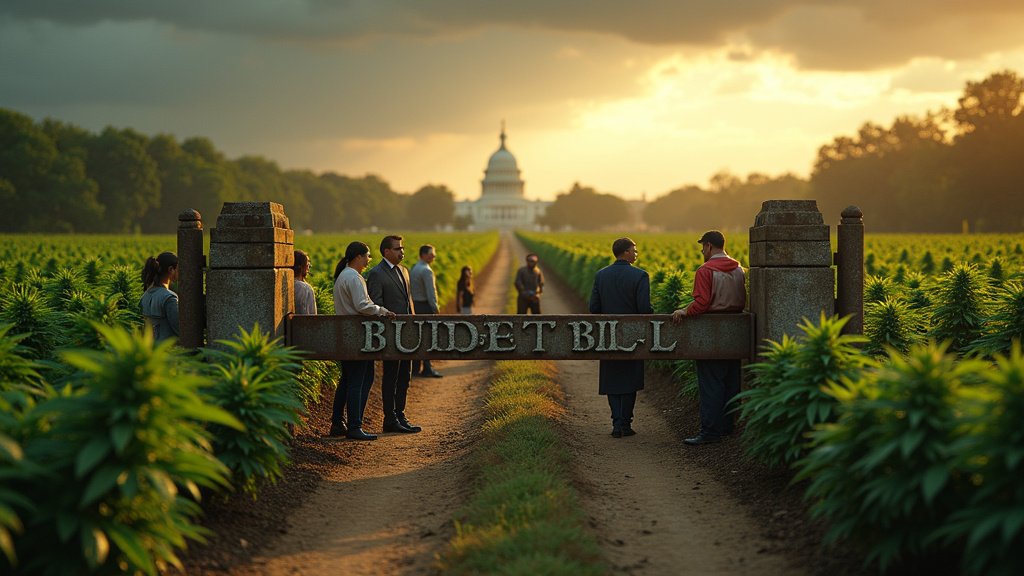
The US cannabis rescheduling project, which has been stalled since being ‘temporarily’ shelved six months ago, faces yet another significant hurdle. A newly introduced budget bill is actively blocking funding for reform efforts, effectively slowing down any potential progress on the matter. This recent development intensifies the existing challenges surrounding cannabis reform and raises questions about the future trajectory of the cannabis industry.
The core issue at hand revolves around the potential rescheduling of cannabis at the federal level. Rescheduling could have far-reaching implications for the industry, impacting everything from taxation and regulation to research and development. The current classification of cannabis as a Schedule I substance, alongside drugs like heroin, has been a point of contention for years, hindering access to medical cannabis and limiting research opportunities. Any movement towards rescheduling would likely be welcomed by industry stakeholders who are hoping for changes to open up access and provide a more stable and less restricted environment for businesses.
The budget bill’s blockage of funding for reform efforts is a strategic move, primarily driven by Republican opposition. The GOP’s stance represents a significant challenge for those advocating for rescheduling. Republicans have consistently expressed concerns about the potential impact of cannabis legalization, often citing public health and safety considerations. Their efforts to prevent rescheduling demonstrate a clear commitment to maintaining the status quo and preventing further liberalization of cannabis laws at the federal level. This stance puts them at odds with a growing number of states that have legalized cannabis for medical or recreational use, indicating a growing divide between federal policy and state-level realities.
The political landscape surrounding cannabis reform is complex, with numerous competing interests and viewpoints. Proponents of rescheduling argue that it is essential for correcting the historical injustices of cannabis prohibition, supporting medical research, and generating tax revenue. They emphasize the economic benefits of a regulated cannabis market and the potential for job creation. Opponents, including those who are backing the budget bill, often point to potential negative social impacts, such as increased rates of substance abuse and impaired driving, and public safety concerns. The debate underscores the difficulties of navigating the changing dynamics of the US in terms of how it regards cannabis.
The budget bill’s impact extends beyond the immediate issue of funding. By denying resources for reform efforts, it sends a clear message to the cannabis industry and its supporters, signaling that federal policy will continue to be a barrier to significant change. The bill’s success, or even the likelihood that it will pass, will be a key indicator of the long-term prospects for cannabis rescheduling. The continued delay in rescheduling is something that impacts the cannabis industry.
The actions of the GOP are a clear hurdle for reform. The budget bill serves as another obstacle to the progress of cannabis rescheduling. These moves underscore the GOP’s determination to maintain restrictions on the cannabis industry.
As the political climate continues to evolve, the future of cannabis rescheduling remains uncertain. However, it is clear that the GOP’s influence and the budgetary restrictions they are imposing will play a key role in shaping the trajectory of cannabis reform efforts in the coming months and years. The cannabis industry finds itself at a critical juncture, facing a landscape of political and financial uncertainties. With the project being stalled for six months, many wonder when things will shift.
The temporary shelving of the project six months ago was a setback for advocates of reform. The budget bill adds another layer of complexity to the already challenging landscape. Without funding allocated, the US cannabis rescheduling project faces an uphill battle. The actions of the GOP create a roadblock to progress. All of these elements combine to create a complex situation.