Growing Your Own Cannabis: A Beginner’s Journey
Embarking on the journey of growing cannabis can be a rewarding experience. However, it’s essential to approach it with the right knowledge and a well-thought-out plan. This guide provides a comprehensive overview for beginners, highlighting key considerations to ensure a successful and enjoyable growing experience.
Starting Small and Smart
The initial step is crucial: start small. Avoid overwhelming yourself by beginning with one or two plants. This allows you to learn the ropes without the pressure of managing a large crop. This approach gives you the opportunity to learn and adapt your methods without significant setbacks. Patience is key, as is diligent observation of your plants’ needs.
Essential Tools and Equipment
Investing in the right equipment is fundamental to a successful grow. Good lighting is one of the most important factors. Full-spectrum LEDs are a popular choice for their efficiency and ability to provide optimal yields. Additionally, the choice of growing medium significantly impacts plant health. Opt for quality soil or coco coir that is light, airy, and well-draining. This ensures proper aeration and prevents waterlogging, which can damage the roots.
Understanding the Growing Medium
Maintaining the correct soil pH is critical for nutrient absorption. For soil-based grows, aim for a soil pH of approximately 6.0-7.0. If you choose to use coco coir or a hydroponic setup, the ideal pH range is 5.5-6.5. Regularly monitoring and adjusting the pH levels is essential for optimal plant growth.
Indoor Cultivation: Creating the Right Environment
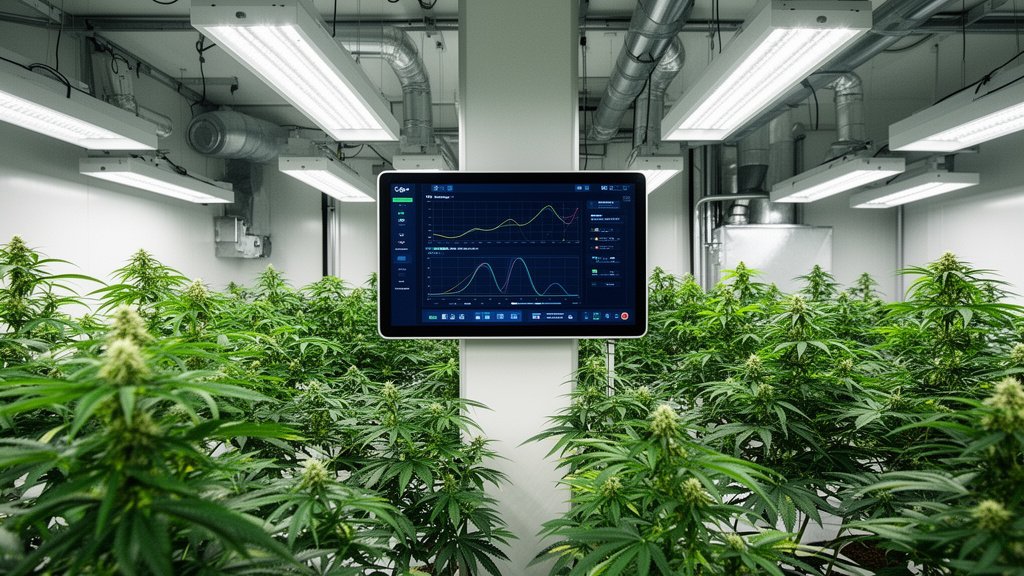
Indoor growing provides greater control over environmental factors. A clean, carpet-free space is ideal, as it minimizes the risk of pests and diseases. Ensure the space has readily accessible electrical outlets and proper air ventilation. Grow tents are often recommended, creating a contained environment that’s easier to manage. Having access to a nearby water source is also essential for watering and other tasks. Ventilation is key for controlling temperature and humidity, preventing mold and mildew from developing.
Outdoor Cultivation: Harnessing the Sun
Outdoor cultivation offers the advantage of natural sunlight. However, it requires specific conditions. You’ll need at least six months of warm, sunny weather to allow the plants to mature fully. It’s also important to choose a secure and private legal location to comply with local regulations and protect your plants. Access to clean water is essential for consistent watering throughout the growing season.
Documenting Your Progress
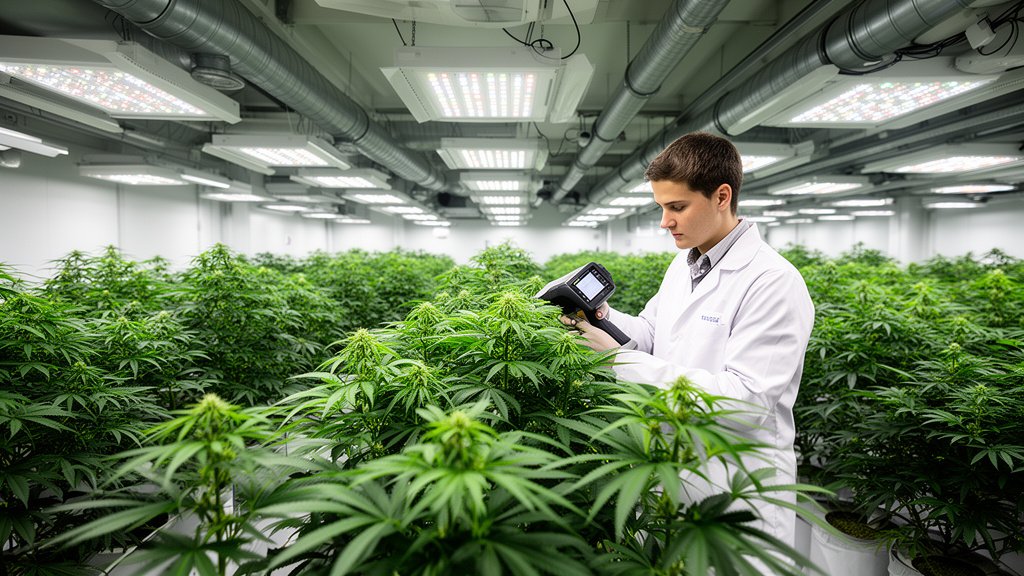
Keep a detailed journal to track your progress, including planting dates, watering schedules, nutrient additions, and any observed changes in the plants. This will help you identify what works and what doesn’t, and it will prove invaluable as you learn and refine your techniques.
Navigating the Seedling Stage
The seedling stage is a crucial period in the plant’s life cycle. Seedlings thrive in a humid environment, ideally between 65-70% humidity. They also require gentle light, typically for 18 hours a day. Be cautious not to overwater seedlings, as this can lead to root rot. If you are using soil with preloaded nutrients, avoid adding additional nutrients at this stage.
Avoiding Common Pitfalls
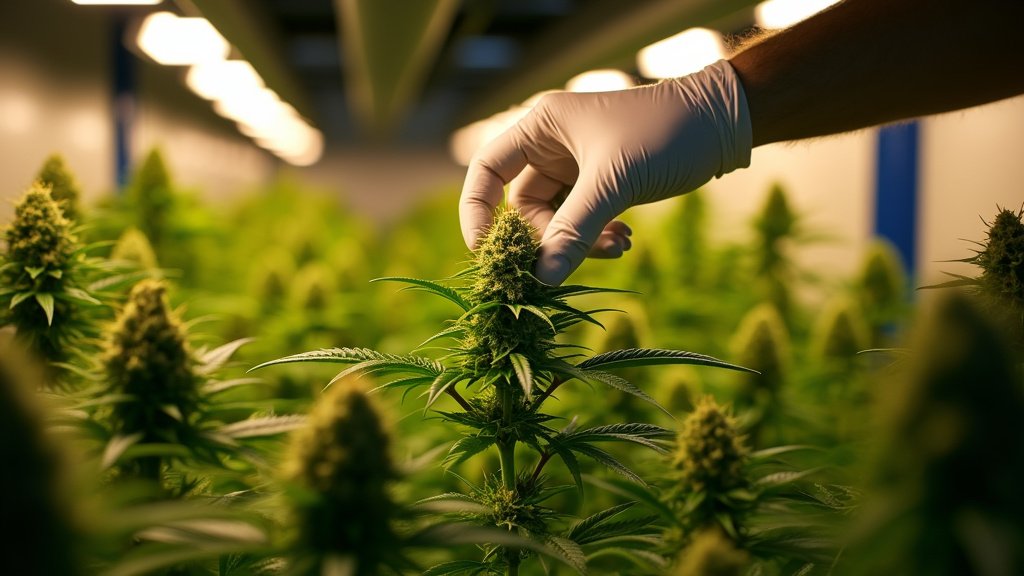
Be patient. Avoid the temptation to overwater, overfeed, or harvest prematurely. These mistakes can significantly impact the quality and yield of your crop. Observe your plants closely and respond to their needs accordingly.
Research and Information
The internet is a vast repository of information on cannabis cultivation. However, the information can be disorganized and unreliable. Take the time to study the growing process thoroughly. Research different techniques, equipment, and strains to make informed decisions. Carefully vet your sources.
Growing cannabis successfully takes time, dedication, and a willingness to learn. By following these guidelines, you can increase your chances of a bountiful and rewarding harvest.