The art of cultivating cannabis, whether for medicinal or recreational purposes, is an increasingly popular pursuit for both novice gardeners and seasoned growers. As we move into 2025, a detailed understanding of the process is crucial for achieving successful yields of high-quality marijuana. This comprehensive guide offers a step-by-step approach, outlining the essential elements needed for thriving cannabis plants.
Choosing Your Grow Medium
One of the foundational decisions in cannabis cultivation is selecting the right grow medium. Options abound, each with its own advantages. Traditionalists often opt for soil, which provides a rich microbial environment. For those seeking faster growth and more control, coco coir offers excellent aeration and water retention. Alternatively, hydroponics systems, where plants are grown in nutrient-rich water solutions, can lead to exceptionally vigorous growth and dense harvests. Each medium requires a slightly different approach to nutrient delivery and pH management.
The Power of Grow Lights
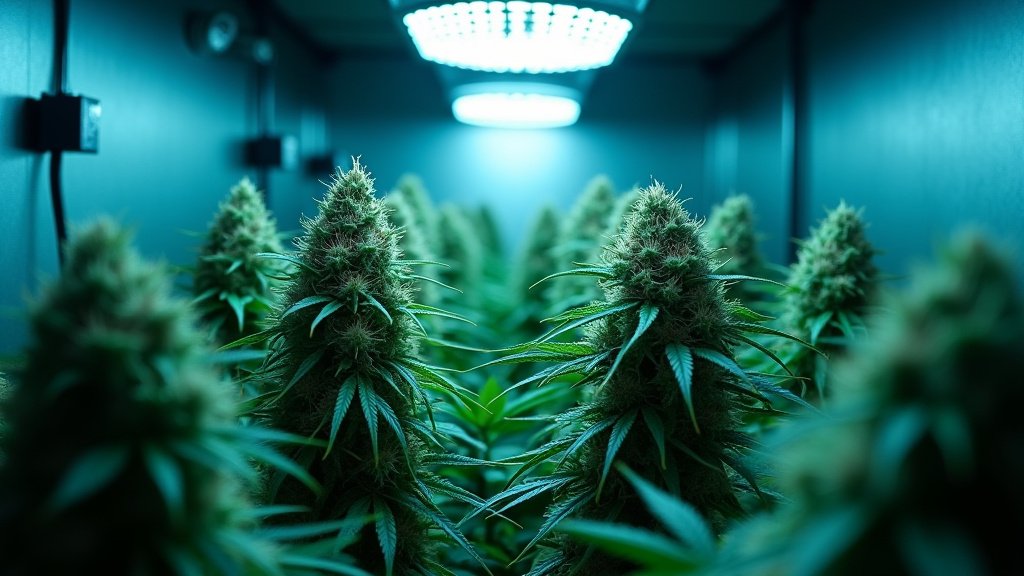
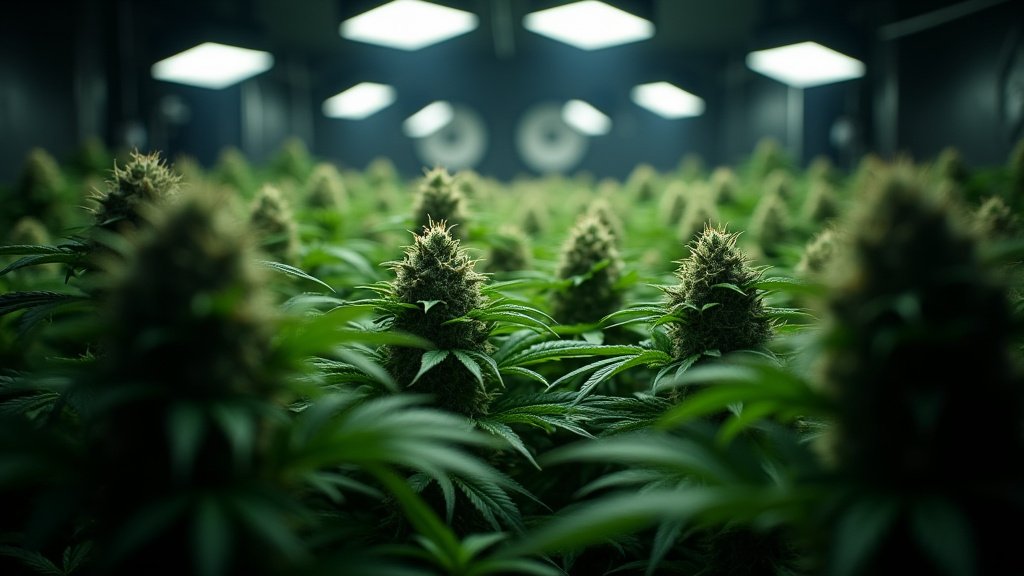
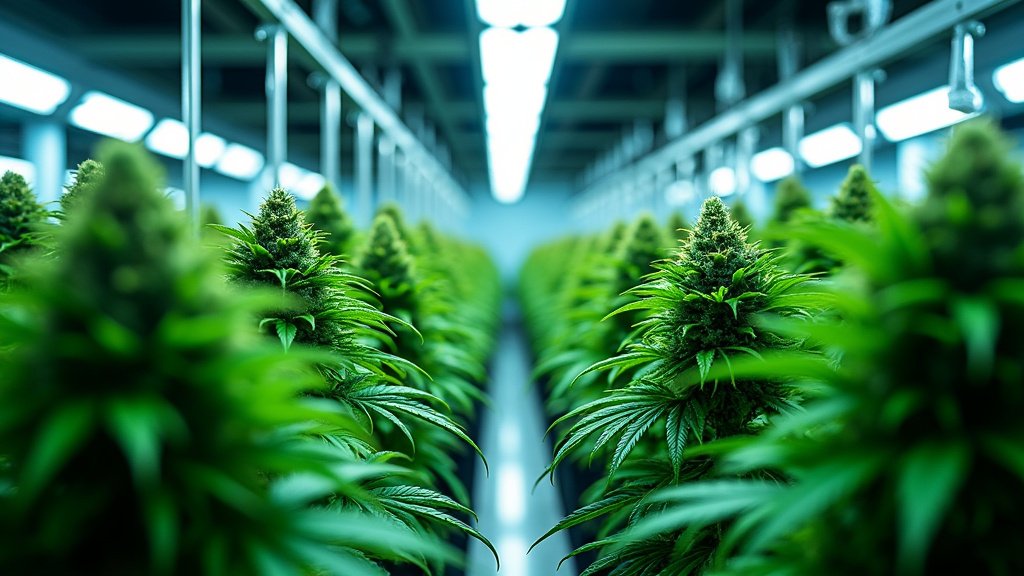
For indoor cultivation, grow lights are paramount. They are not merely a source of illumination; they directly impact the plant’s yield and the potency of its buds. Understanding the light spectrum and intensity is key. Specific wavelengths, particularly red light, are known to significantly influence THC production. Growers must ensure their lighting setup provides the appropriate intensity and spectrum throughout the plant’s life cycle to maximize resin development and overall cannabinoid content.
Optimizing Water and Environment
Water quality and delivery are critical. Maintaining proper water pH levels ensures that the plant can efficiently absorb essential nutrients. For soil-based grows, a pH range of 6.0 to 7.0 is generally recommended. Hydroponic systems, however, require a slightly more acidic range, typically 5.5 to 6.5, to optimize nutrient uptake. Beyond water, environmental controls are vital. Ensuring proper air circulation prevents mold and mildew, while maintaining an optimal temperature control is crucial for plant health. Stagnant air and temperature fluctuations can stress plants, hindering growth and potentially leading to issues like hermaphroditism.
Nutrient Management and Growth Stages
Cannabis plants have distinct nutritional needs that change as they mature. A balanced nutrient regimen must be provided throughout the plant’s life cycle. Understanding the different stages of cannabis growth is essential for tailoring this care:
* Germination: This initial phase typically lasts 3 to 10 days, where the seed sprouts.
* Seedling Stage: Following germination, the young plant develops its first true leaves and typically lasts 2 to 3 weeks.
* Vegetative Stage: This is a period of rapid growth where the plant focuses on developing foliage and structure, lasting anywhere from 3 to 16 weeks.
* Flowering Stage: The final stage, where the plant produces buds, usually takes 8 to 11 weeks.
Sourcing Quality Genetics
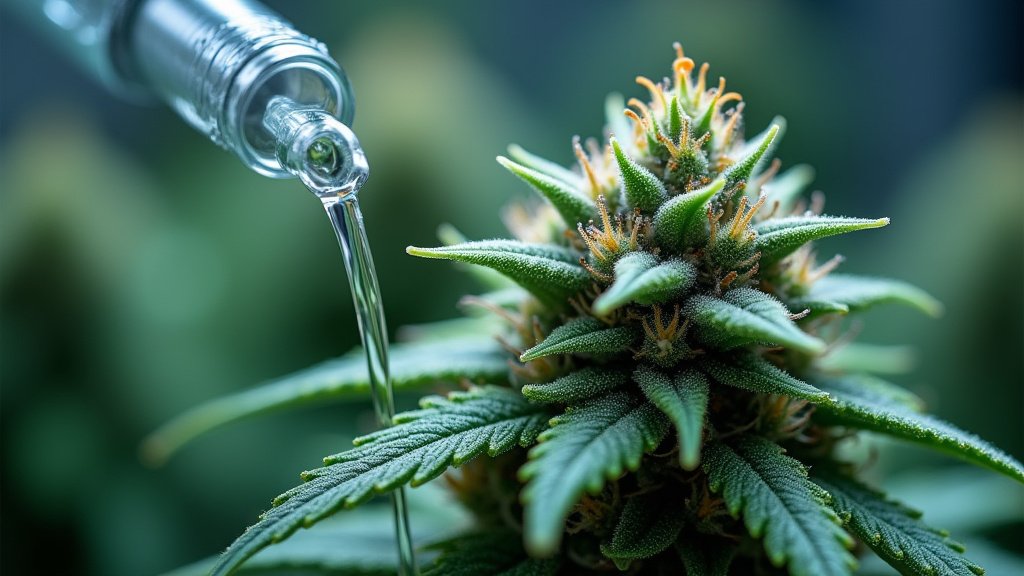
The foundation of any successful cultivation endeavor lies in the quality of the genetics. Reputable seed banks are invaluable resources for obtaining stable, high-yielding strains. Among the recommended providers for quality genetics are SeedSupreme, Homegrown Cannabis Co., Royal Queen Seeds, Seedsman, and ILGM. Investing in superior seeds can significantly increase your chances of a bountiful harvest.
Practical Tips for Home Growers
For those embarking on their cultivation journey, starting small is often the best advice. It allows beginners to learn the ropes without overwhelming themselves. Maintaining a clean grow environment is paramount to preventing pests and diseases. Ensuring light-tight conditions, especially during the flowering stage, is critical to prevent hermaphroditism (the development of both male and female flowers on the same plant) or revegetation, which can severely damage bud development.
For indoor setups, managing electricity costs is also a practical consideration. Modern LED grow lights can offer energy efficiency. To further enhance bud quality and THC levels, techniques like defoliation can be employed to remove excess foliage, allowing more light to reach the developing buds. A key tip for increasing THC levels is to ensure that the most developed buds are positioned high on the plant, where they receive the strongest, most direct light exposure. This focused light energy can contribute to more potent final product.
By understanding these fundamental principles and employing best practices, cultivators can look forward to a rewarding and successful cannabis growing experience in 2025 and beyond.