Anutin Charnvirakul, a prominent figure credited with spearheading Thailand’s landmark 2022 cannabis decriminalization, has officially assumed the role of Prime Minister. His ascension to the premiership on September 7, 2025, marks a significant shift in Thai politics, positioning the leader of the Bhumjaithai Party to shape the nation’s future. However, his tenure begins against a backdrop of considerable political instability and a recent, dramatic reversal of the very cannabis policies he championed.
The “Cannabis King” Rises to Power
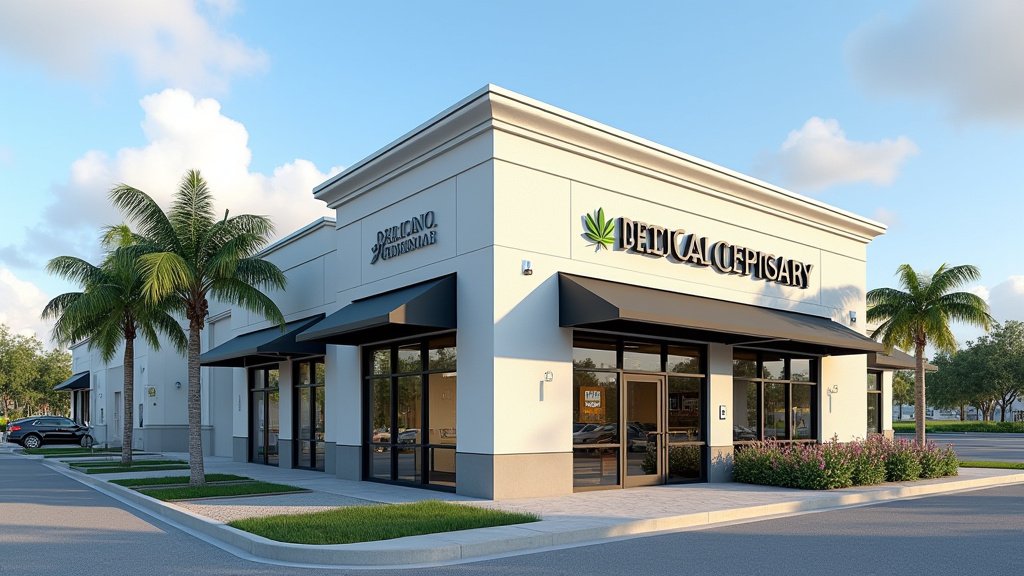
Anutin Charnvirakul’s political career, spanning over two decades, is indelibly linked to Thailand’s liberalization of cannabis. As Health Minister, he was instrumental in the 2022 decision that made Thailand the first country in Asia to decriminalize recreational marijuana. The Bhumjaithai Party, under his leadership, heavily promoted this reform, touting its potential economic benefits for farmers and a boost for tourism. The initial move was celebrated as a progressive step, leading to a rapid proliferation of cannabis dispensaries across the country.
His election as Prime Minister on September 5, 2025, followed the dismissal of his predecessor, Paetongtarn Shinawatra, by the Constitutional Court due to ethics violations. Anutin secured a majority vote with 311 parliamentary votes, leading a coalition that includes the opposition People’s Party, with the condition that he would dissolve parliament and call for new elections within four months. This makes him Thailand’s third prime minister in just over two years, underscoring the nation’s recent political turbulence.
A Steep Curve: Reversing the “High”
Despite Anutin’s foundational role in cannabis legalization, the “high” of that policy has proven fleeting. In June 2025, just three years after decriminalization, the Thai government implemented a significant U-turn, reclassifying cannabis flowers as controlled herbs and restricting their use strictly to medical purposes. This shift, driven by concerns over social problems and misuse, requires a doctor’s prescription for purchase and prohibits recreational sales in public and private retail spaces. This regulatory crackdown has thrown Thailand’s estimated $1 billion cannabis industry into uncertainty, with many businesses reporting drastic drops in sales and fearing closure.
While Anutin himself has expressed support for tighter regulations to curb recreational use, his party has advocated for a middle ground, seeking to maintain decriminalization while ensuring stricter controls. However, the recent government order reflects a broader push for tighter oversight, a move that contrasts with the spirit of the initial decriminalization championed by Anutin.
Navigating Political Headwinds and Industry Anxieties
Anutin’s premiership arrives at a critical juncture for both Thailand’s political landscape and its burgeoning cannabis sector. The Bhumjaithai Party, known for its pragmatic approach, now leads a government that is conditional and potentially short-lived, with elections expected early in 2026. This political fragility means that while the immediate threat of reclassifying cannabis as a narcotic may recede under Anutin’s leadership, comprehensive new legislation might be elusive in the short term.
Industry stakeholders, while hopeful for a more stable enforcement climate, acknowledge that the regulatory environment has fundamentally shifted. The days of widespread recreational sales appear to be over, replaced by a focus on medical applications and stricter licensing requirements. The current news is trending globally as other nations monitor Thailand’s evolving cannabis policy.
Anutin Charnvirakul’s return to the helm signifies a complex interplay between his personal legacy in cannabis reform and the evolving societal and political pressures shaping Thailand’s drug policies. As Prime Minister, he faces the challenge of balancing his party’s historical stance with the present reality of a more cautious and regulated cannabis market, a testament to the unpredictable nature of this trending policy area.