Licensed cannabis businesses in Minnesota are encountering a complex web of real estate challenges that are significantly impeding their launch and operational growth. From restrictive zoning laws enacted by local governments to cautious landlords and persistent federal banking regulations, entrepreneurs are facing a steep climb to secure suitable and affordable commercial spaces. This challenging landscape is contributing to a phenomenon often referred to as a “green tax,” where businesses are forced to pay premium prices for rentals and higher security deposits.
Navigating a Maze of Zoning and Local Ordinances
Local governments in Minnesota wield considerable power over where cannabis businesses can establish themselves, primarily through zoning and registration ordinances. State law mandates specific buffer zones, requiring dispensaries to be located at least 1,000 feet from schools and 500 feet from other sensitive areas like playgrounds, residential treatment facilities, and parks frequented by minors. Furthermore, municipalities can cap the number of retail licenses, often limiting them to one per a certain population threshold, such as 7,500 or 12,500 residents.
These regulations create significant limitations on available real estate. Entrepreneurs must meticulously verify that a potential property complies with all local zoning laws and buffer zone requirements before committing to a lease. Some cities are even implementing stricter local ordinances, expanding buffer distances or redefining protected areas, further complicating the site selection process. As a result, many prospective business owners find themselves sifting through numerous properties only to discover they are non-compliant due to unforeseen zoning restrictions or proximity clauses.
Landlord Reluctance and the “Green Tax”
The federal illegality of cannabis, despite its state-level legalization, casts a long shadow over the real estate market. Many landlords are hesitant to lease properties to cannabis businesses, fearing potential legal repercussions, property devaluation, or issues with their own mortgages and insurance. This widespread reluctance creates a “green tax,” forcing compliant cannabis tenants to pay inflated rents and higher security deposits than other commercial tenants.
This cautious approach from property owners means that conversations about leasing can quickly end once the nature of the business is revealed. Even for those landlords willing to engage, the perceived risk often translates directly into higher costs. Furthermore, landlords may attempt to stipulate opening dates, a precarious demand given the numerous variables and potential delays in securing licenses and approvals in Minnesota’s evolving cannabis market.
The Persistent Shadow of Federal Banking Regulations
Perhaps one of the most significant hurdles stems from federal banking laws. Because cannabis remains a Schedule I controlled substance under federal law, most national banks are unwilling to provide financial services to cannabis companies. This means businesses struggle to open standard operating accounts, process credit card payments, or secure traditional loans. The Small Business Administration (SBA) also does not approve loans for cannabis businesses.
This lack of access to legitimate banking services forces many cannabis operations to handle a large volume of cash, increasing risks related to security and theft. While some state-chartered banks and credit unions are stepping in, they often do so with higher interest rates and stringent reporting requirements due to the inherent risks. The federal illegality also creates a potential conflict for landlords; leasing to a cannabis business might violate their own loan agreements with federally regulated lenders, risking loan default. Federal legislative efforts like the SAFER Banking Act aim to address these issues, but their passage remains uncertain.
High Costs and a Budding Industry’s Growing Pains
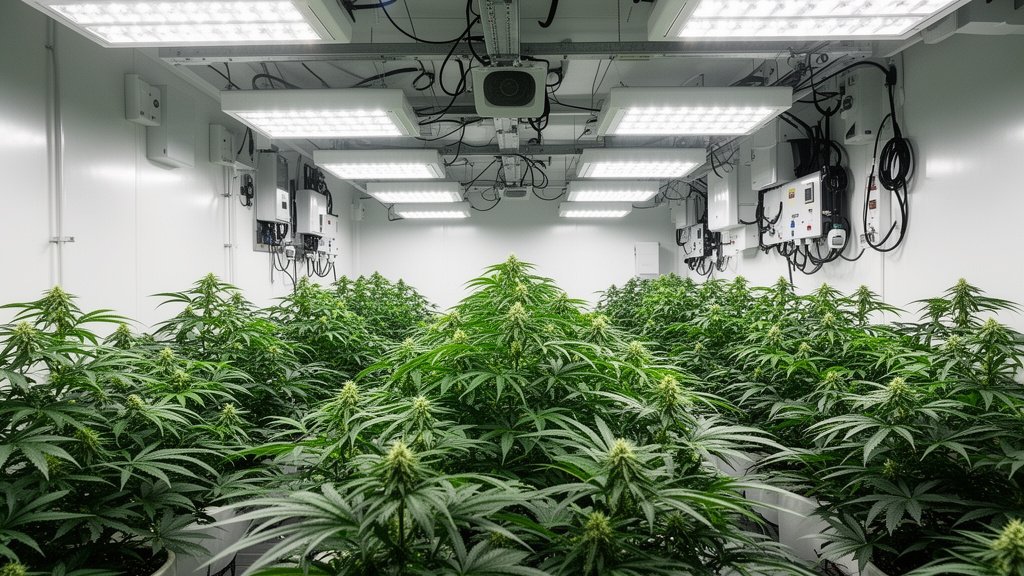
Beyond rent, the costs associated with establishing a cannabis business are substantial. Many licensed entrepreneurs, such as Brian Bartley who faced over 20 rejections before securing a 9,900-square-foot space for approximately $10,000 per month, are investing their life savings into these ventures. The build-out costs for cultivation, manufacturing, or retail facilities can be extensive, often exceeding a million dollars for larger properties, requiring specialized security, ventilation, and lighting systems.
As Minnesota’s cannabis industry continues to mature, the news is filled with stories of licensed businesses striving to overcome these multifaceted real estate and financial barriers. The path forward for these entrepreneurs is trending towards requiring significant capital, resilience, and a deep understanding of both state and federal regulatory complexities. Despite these challenges, the state’s market is poised for growth, but early-stage operators are finding that securing a viable physical location is as critical and difficult as obtaining a license itself.
This complex interplay of local zoning, landlord caution, and federal banking restrictions means that finding and securing compliant real estate is one of the most significant, and costly, obstacles for Minnesota’s burgeoning cannabis businesses. Navigating these issues effectively is paramount for the successful establishment and long-term viability of the state’s newly legal cannabis industry.