Achieving superior cannabis yields requires a strategic approach, combining optimal genetics, precise environmental control, advanced cultivation techniques, and meticulous post-harvest handling. Growers aiming for larger harvests must pay close attention to every stage of the cannabis cultivation process, from the initial seed selection to the final curing phase.
The Crucial First Steps: Genetics and Environment
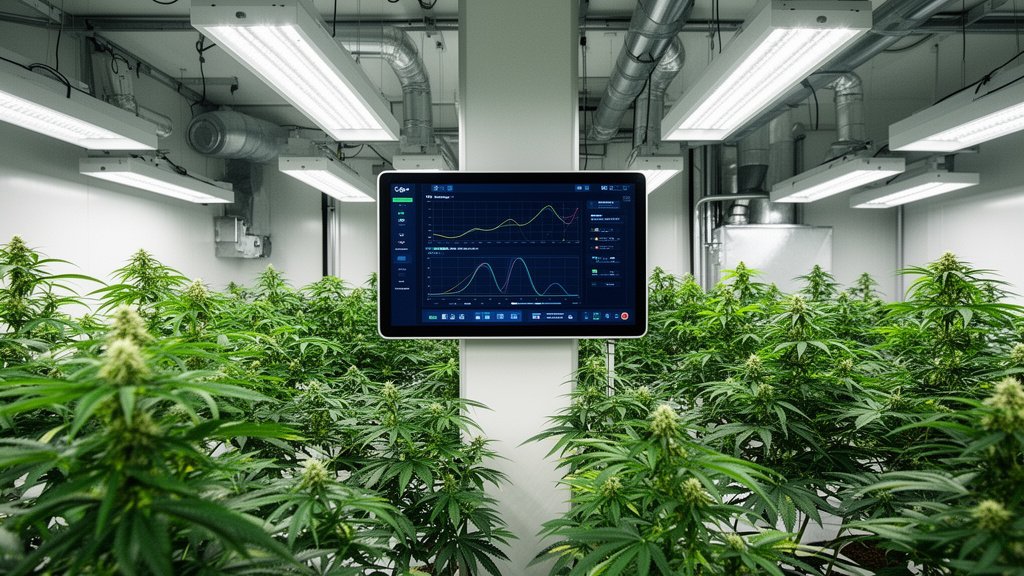
The foundation of any successful cannabis grow, especially one focused on maximizing yield, begins with genetics. Selecting seeds or clones from reputable sources that are specifically bred for high yields and potency is a critical first step. These superior genetics provide a robust starting point that can better respond to cultivation efforts. Beyond genetics, environmental control is paramount. Cannabis plants are highly sensitive to their surroundings, and maintaining ideal conditions is non-negotiable for healthy growth and productivity. This includes precise management of temperature and humidity, with specific ranges recommended for the vegetative and flowering stages respectively. For instance, higher humidity (50-70%) is beneficial during the vegetative stage for foliage development, while lower humidity (40-50%) during flowering helps prevent mold and encourages resin production. Good airflow, facilitated by oscillating fans, is also vital for preventing stagnant air, reducing the risk of mold and mildew, and strengthening plant stems.
The Power of Light: Fueling Photosynthesis and Bud Development
Light is the primary energy source for cannabis plants, making its management crucial for maximizing yields. Photoperiod strains require a strict light cycle: typically 18 to 24 hours of light during the vegetative phase and a consistent 12 hours of uninterrupted darkness to initiate and sustain flowering [initial context, 2]. High-quality lighting, such as full-spectrum LED or HPS (High-Intensity Discharge) lights, provides the necessary energy for robust growth and dense bud development. Modern LED grow lights are particularly favored for their energy efficiency, lower heat output, and ability to deliver a full spectrum of light, which can significantly boost yields, sometimes by 30% or more compared to older technologies. The spectrum and intensity of light should be adjusted according to the plant’s growth stage, with blue light wavelengths promoting vegetative growth and red light wavelengths stimulating flowering and bud formation.
Advanced Cultivation Techniques for Enhanced Yields
To push yields beyond the basics, experienced growers employ a range of advanced techniques that manipulate plant structure and resource allocation:
Strategic Plant Training
Plant training involves physically guiding the growth of cannabis plants to optimize light absorption, improve airflow, and encourage the development of more bud sites. These methods are especially effective indoors where space and light penetration can be limited.
* Topping and FIMing: These techniques involve cutting the main stem’s tip to encourage the plant to develop multiple main colas, creating a bushier plant with more flowering tops.
* Low-Stress Training (LST): LST uses gentle bending and securing of branches to create a horizontal, even canopy, ensuring more bud sites receive direct light and improving overall light utilization.
* Screen of Green (SCROG): SCROG employs a horizontal screen or netting to train branches, resulting in a flat, uniform canopy. This technique maximizes light exposure to all bud sites, leading to increased yield and quality.
* Sea of Green (SOG): SOG involves growing many small plants closely together, forcing them into early flowering to create a dense canopy of buds quickly, optimizing space and accelerating harvest cycles.
* Supercropping: This high-stress training method involves intentionally bending or pinching stems to redirect plant energy, promote stronger growth, and potentially increase resin production and yield.
* Lollipopping and Defoliation: Removing lower branches and fan leaves directs the plant’s energy towards the upper, more productive buds, while also improving light penetration and airflow to the lower canopy.
Precision Nutrient Management and Watering
Meeting the plant’s specific nutritional needs at each growth stage is vital for robust development and yield. During the vegetative stage, plants require high levels of nitrogen for leaf and stem growth. As they transition to flowering, the demand shifts to phosphorus and potassium to support dense bud formation. Maintaining the correct pH balance in the growing medium (typically 6.0-7.0 for soil) is essential for optimal nutrient uptake. Growers must also be mindful of avoiding overfeeding, which can cause nutrient burn, or underfeeding, leading to deficiencies that hinder growth and yield. Proper watering, characterized by deep soaking followed by allowing the medium to dry slightly, prevents both root rot and dehydration.
The Climax: Harvesting, Drying, and Curing
Even with excellent cultivation, the final stages are critical for preserving the maximized yield and quality.
Optimal Harvest Timing
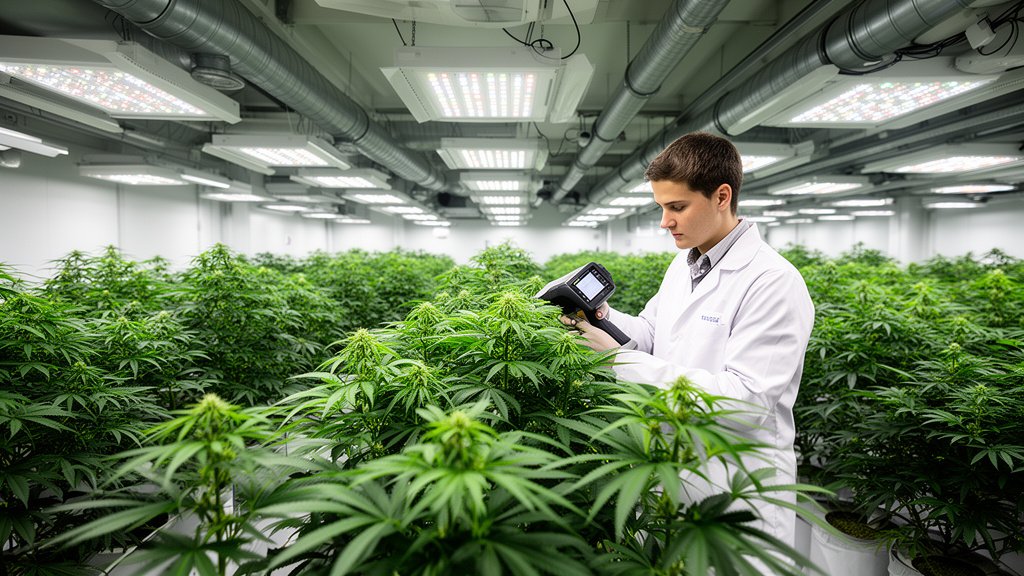
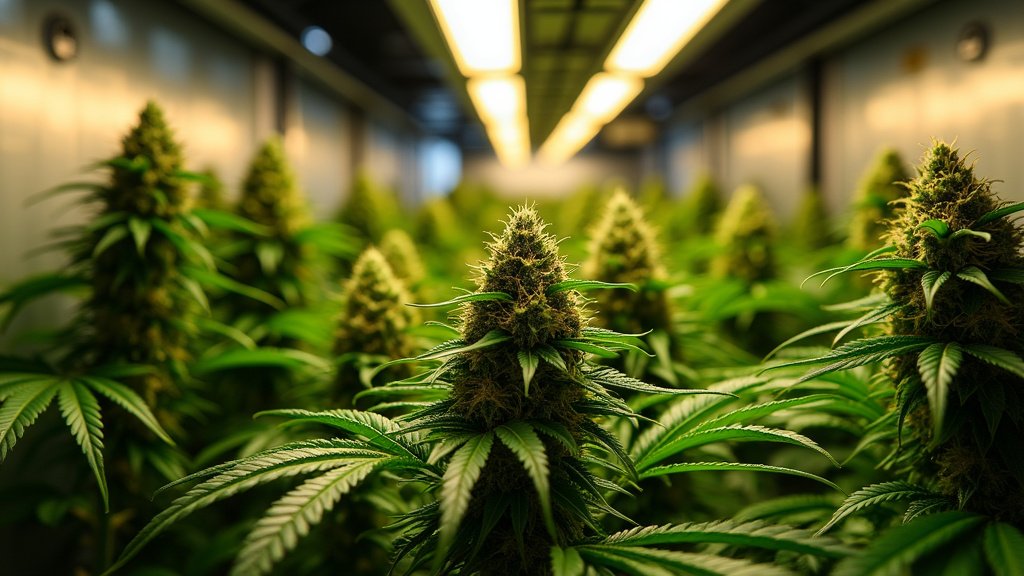
Timing the harvest correctly is crucial for maximizing potency and yield. Growers assess maturity by observing trichome color using magnification: clear trichomes indicate immaturity, milky-white trichomes suggest peak THC content, and amber trichomes signal THC degradation and an increase in CBN. Observing pistil color changes and understanding the strain’s specific flowering time also provide important cues.
Post-Harvest Care: Drying and Curing
Following harvest, the buds must be dried and cured properly to preserve their desirable compounds. Drying involves hanging plants upside down in a dark, well-ventilated environment with controlled temperature (around 60-70°F or 15-21°C) and humidity (45-55%) for approximately 7 to 14 days. After drying, the buds undergo curing in airtight containers for several weeks, with regular opening to allow for air exchange. This process breaks down chlorophyll, enhances flavors and aromas, and ensures a smooth smoking experience. Meticulous attention to these final steps ensures that the hard-earned yields translate into a high-quality product.