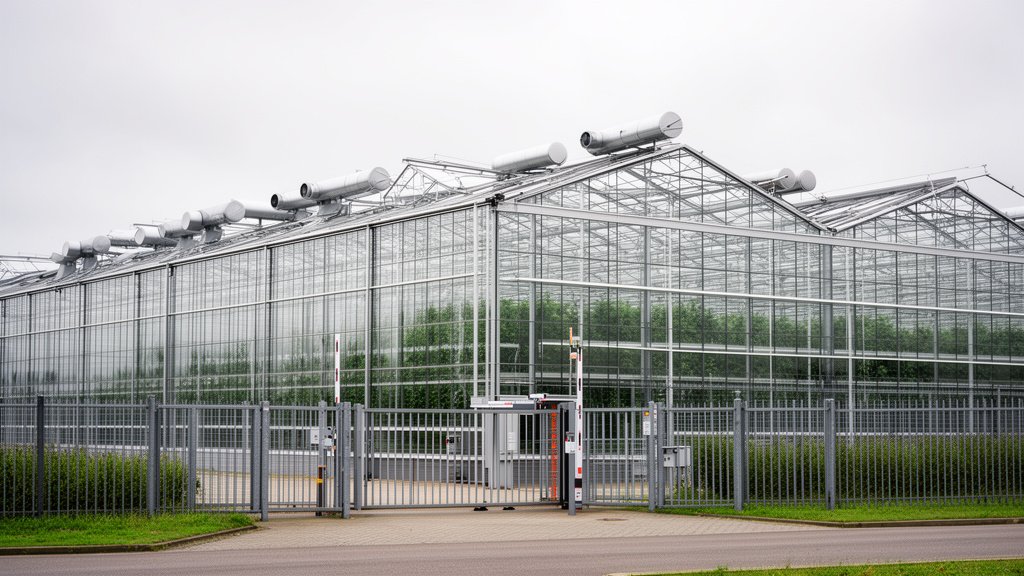
In a stern regulatory crackdown, a prominent cannabis cultivation facility has been issued an $80,000 fine following a comprehensive investigation into the intentional sabotage of critical grow room equipment. The incident, which disrupted operations and threatened yield viability, underscores the growing vulnerability of high-tech agricultural infrastructure as the industry faces increasing scrutiny over operational security and compliance standards.
Key Highlights
- Substantial Financial Penalty: The facility was slapped with an $80,000 fine for failing to maintain operational integrity, a consequence of the internal sabotage incident.
- Infrastructure Vulnerability: The sabotage targeted critical grow room systems, demonstrating how high-tech agricultural environments can be compromised from within.
- Regulatory Focus: Regulators have shifted their focus to physical and digital security protocols at cultivation sites, signaling a new era of enforcement regarding facility management.
The Anatomy of an $80,000 Regulatory Breach
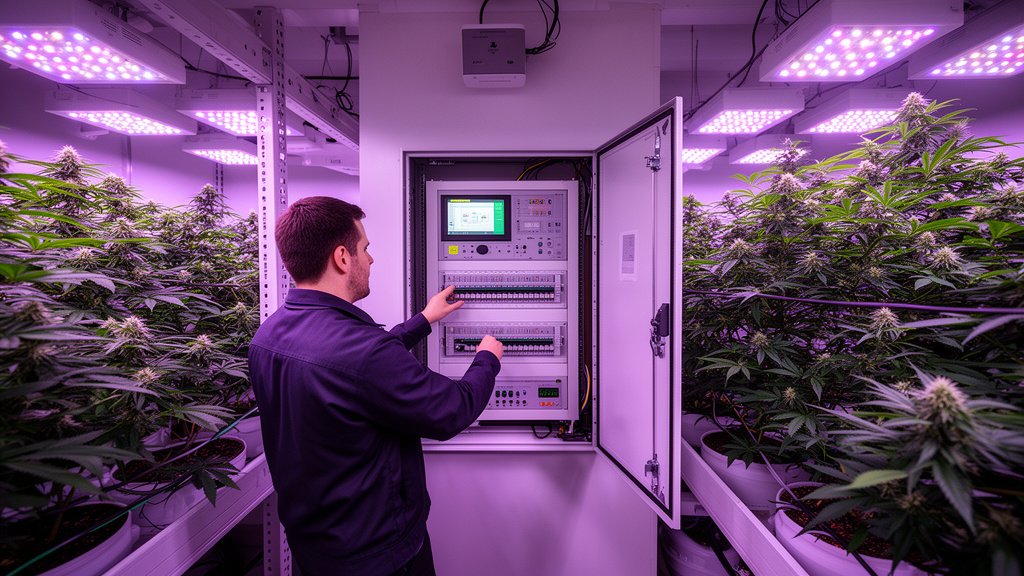
The investigation into the sabotage event revealed a sophisticated failure in internal controls. Modern cannabis cultivation is no longer a rudimentary farming operation; it is a high-stakes, technology-dependent enterprise. The grow room in question relied on advanced Programmable Logic Controllers (PLCs) and Supervisory Control and Data Acquisition (SCADA) systems to manage humidity, light intensity, CO2 levels, and nutrient distribution. When these systems were intentionally compromised, the result was not merely a loss of production time but a catastrophic failure of the environmental stability required for crop success.
The $80,000 fine issued to the cultivator is rooted in the regulatory failure to safeguard these essential systems. In many jurisdictions, license holders are mandated to maintain robust security protocols, including access control, surveillance, and environmental system redundancies. By allowing the sabotage to occur—and potentially failing to report it through the correct channels—the facility violated the terms of its operating license. This fine serves as a stark warning to other operators: in the eyes of regulators, facility security is synonymous with public safety and industry legitimacy.
The Rise of ‘Agri-Cybersecurity’
As the cannabis industry matures, the intersection of physical infrastructure and digital management creates a unique threat vector. Traditional security models focused on theft prevention and perimeter defense are no longer sufficient. Today, ‘agri-cybersecurity’ has become a critical operational pillar. Cultivators must now contend with insider threats capable of manipulating firmware, corrupting irrigation schedules, or altering climate settings remotely. The financial impact of such events, as evidenced by this $80,000 penalty, often far exceeds the cost of implementing professional-grade security audits and access management systems.
Economic and Market Implications
Beyond the immediate fine, the economic ramifications for the facility are significant. Downtime in a high-density, multi-tier cultivation setup can lead to thousands of dollars in lost yield per day. Furthermore, the reputational damage and the heightened frequency of regulatory audits that inevitably follow such an incident create a long-term drain on resources. Investors and stakeholders in the cannabis sector are increasingly viewing operational continuity and infrastructure security as primary KPIs (Key Performance Indicators) when evaluating the health of an asset. This incident will likely drive a market-wide trend toward more rigorous pre-employment screening and more restrictive access controls within the ‘green zone’ of cultivation facilities.
Future Predictions and Regulatory Evolution
This case likely serves as a blueprint for how state regulators will handle future equipment sabotage and facility breaches. We anticipate a rapid adoption of ‘Smart Facility’ monitoring tools that provide immutable logs of all environmental changes, making it significantly harder for bad actors to tamper with equipment without leaving a digital trail. The $80,000 fine is likely the opening salvo in a broader regulatory push to standardize security protocols across the cannabis industry, potentially leading to legislation that mandates specific cybersecurity measures for all licensed cultivators.
FAQ: People Also Ask
Q: Why was the fine so high for a single instance of equipment sabotage?
A: The $80,000 penalty reflects both the severity of the sabotage and the regulatory expectation that licensees maintain total control over their infrastructure. In the eyes of regulators, a failure to protect equipment that ensures compliance and safety is treated as a major violation of licensure terms.
Q: Can this type of sabotage be prevented?
A: Yes. Industry experts recommend implementing ‘air-gapped’ environmental control systems, multi-factor authentication for all physical and digital control interfaces, and strictly limiting access to the central SCADA and PLC hubs to authorized, screened personnel only.
Q: Does this event impact the quality of the cannabis product?
A: In many cases of environmental sabotage, the crop is indeed compromised due to sudden shifts in humidity or nutrient delivery, which can lead to mold or stress-induced defects. While products that fail testing standards are destroyed, this incident primarily highlighted the regulatory and operational risks rather than a consumer safety issue.