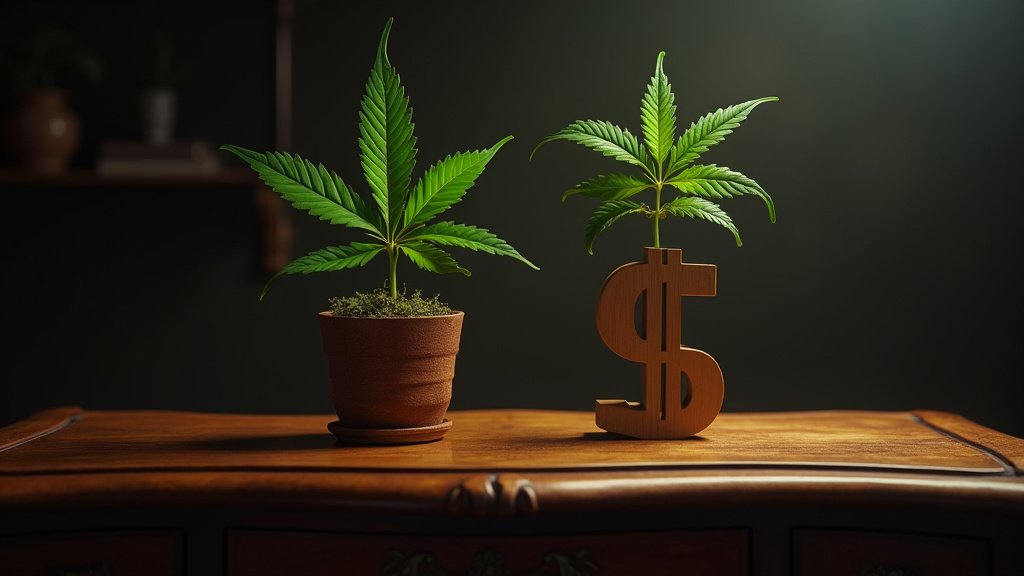
A significant shift in federal policy is poised to reshape the landscape of the U.S. cannabis and hemp industries, with new legislation set to effectively ban a vast array of hemp-derived THC products by November 12, 2026. Signed into law on November 12, 2025, as part of a government spending package, the measure revises the federal definition of “hemp,” closing what many industry insiders and consumers have identified as a significant loophole in the 2018 Farm Bill.
The Loophole Closure: Redefining Legal Hemp
The 2018 Agriculture Improvement Act, commonly known as the Farm Bill, legalized hemp by defining it as cannabis containing no more than 0.3% delta-9 THC by dry weight. This reclassification removed hemp from the Controlled Substances Act, inadvertently paving the way for a booming market of hemp-derived intoxicating cannabinoid products. Companies began widely producing and selling products containing cannabinoids such as Delta-8 THC, Delta-10 THC, and HHC, which, while derived from hemp, could produce psychoactive effects similar to marijuana. This expansion has led to significant confusion and created a competitive challenge for state-regulated cannabis markets. The new legislation directly addresses this by changing the federal definition of hemp for consumable products.
Strict New Limits on THC Products
Under the revised federal law, hemp products will only be considered legal if they meet stringent new criteria. The most impactful change is the shift from a percentage-based delta-9 THC limit to a 0.4 milligram total THC limit per container. This applies to all forms of THC, including THCA and other isomers, and significantly restricts the potency of consumable hemp products. Furthermore, the legislation explicitly excludes cannabinoids that are synthesized or manufactured outside of the cannabis plant, or those not naturally produced by it. This directly targets many popular hemp-derived products, including Delta-8 THC, HHC, and other novel compounds that are often created through chemical conversion from CBD isolate.
Products in the Crosshairs
The implications of these new regulations are far-reaching, targeting a wide range of currently popular consumer goods. Products most likely to be affected include:
* Edibles: Gummies, chews, chocolates, and baked goods that contain significant amounts of hemp-derived THC.
* Beverages: Sodas, seltzers, and other drinks infused with hemp-derived THC, which have seen substantial growth.
* Vapes, Oils, and Tinctures: Products marketed for their “buzz” or “high” effect.
* THCA Flower: Flower products that previously qualified as hemp due to their THCA content, which converts to THC when heated.
* Full-Spectrum CBD Products: Many full-spectrum CBD products that contain trace amounts of THC may now exceed the 0.4 mg per container limit.
The new law also prohibits the direct consumer sale of intermediate hemp-derived cannabinoid materials, such as distillates and isolates.
Economic and Industry Repercussions
Industry executives and advocates estimate that these changes could decimate up to 95% of the current $28 billion hemp retail market, potentially putting over 300,000 jobs at risk. States with significant hemp production sectors, such as Kentucky, Texas, and Utah, are expected to face considerable economic impacts. Many businesses may need to reformulate their products to comply, transition into state-regulated cannabis markets where available, or exit the industry altogether. This regulatory shift is already causing significant disruption and uncertainty for manufacturers, distributors, and retailers nationwide.
A Year for Transition and Lobbying
The legislation provides a one-year grace period from its enactment on November 12, 2025, until full enforcement on November 12, 2026. This window is intended to allow businesses time to sell existing compliant inventory, reformulate products, or transition their operations. Industry groups and advocates have indicated plans to use this period to lobby for alternative legislation or to establish more sensible regulatory frameworks, aiming for regulation rather than a complete ban. Federal agencies, including the FDA and DEA, are mandated to publish guidance and lists of covered cannabinoids within 90 days of enactment to clarify the new rules. For consumers, the changes signal potential scarcity and increased prices, pushing many towards state-licensed cannabis dispensaries if they are accessible and affordable.
This evolving situation is a trending topic in cannabis news, prompting widespread discussion about the future of hemp-derived products. The industry, built on the interpretations of the 2018 Farm Bill, now faces a starkly different regulatory future, with profound implications for related businesses and consumers seeking alternatives to traditional alcohol and state-regulated cannabis.