Austria is emerging as a leader in agricultural innovation, significantly raising the bar for irrigation practices through the widespread adoption of advanced technologies and a strong commitment to sustainability. This shift is driven by the increasing need for water conservation, the impacts of climate change, and the pursuit of optimized crop yields and operational efficiency. The nation is setting new benchmarks by integrating smart farming tools and equipment that minimize human error and maximize resource utilization.
The Imperative for Advanced Water Management
While Austria is generally considered water-rich, regional variations and the escalating effects of climate change, including more frequent droughts, are placing considerable pressure on water resources. Eastern Austria’s lowland regions, in particular, are projected to face greater water scarcity in the future. Agricultural water demand is expected to nearly double by 2050, making efficient irrigation not just beneficial, but essential. This context is compelling Austrian farmers and agricultural businesses to embrace sophisticated irrigation equipment and methodologies that conserve water, reduce waste, and ensure precise nutrient delivery directly to plant roots.
Technological Innovations Setting New Benchmarks
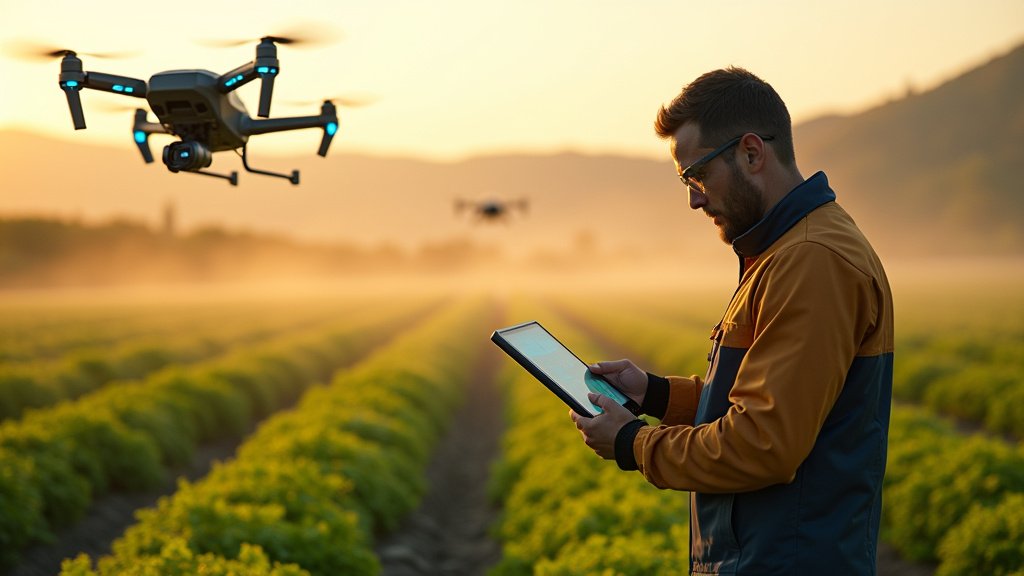
A new era of irrigation in Austria is characterized by the integration of precision technologies, automation, and data-driven insights. Companies are deploying smart sensors, AI-powered systems, and advanced machinery to manage water more effectively. For instance, Austrian firm Farm-ING is developing AI-driven robotics, such as its Spot Sprayer, capable of reducing pesticide use by up to 90% through precise targeting. Bauer, another key Austrian manufacturer, offers GPS-supported irrigation management tools like SmartRain, which calculate optimal watering based on real-time soil moisture, soil type, and weather conditions. These tools are crucial for precise application of inputs, leading to higher yields and reduced costs.
Key Players and Austrian Quality
Several prominent companies are at the forefront of this irrigation revolution in Austria. Komet Irrigation, based in Lienz, is explicitly recognized for setting new industry standards with its focus on manufacturing quality, precision, and lean, data-driven operations, aiming for the reliability seen in elite automotive sectors. Blumat, a brand with “Quality made in Austria” heritage, offers ingenious, self-watering systems that use clay cones to precisely deliver water based on soil moisture, operating without electricity or timers. These systems are ideal for water-saving and needs-based watering. Global leaders like Netafim are also active in Austria, providing advanced drip irrigation solutions that optimize water and nutrient delivery, contributing to higher yields and significant water savings for a wide array of crops, including those in specialized sectors like medical cannabis. AutoPot systems offer an equally effortless, electricity-free automatic watering solution, popular among both professional and hobbyist growers for their reliability and minimal water waste. Bauer continues to be a significant force with its durable, resource-efficient equipment and smart farming technologies.
Implications for Agriculture and the Future
The widespread adoption of these advanced irrigation techniques is leading to tangible benefits across the Austrian agricultural sector. Precision farming technologies have been shown to reduce operational costs by up to 25% and increase crop yields by as much as 30%. Drip irrigation systems, for example, can conserve up to 60% of water compared to traditional methods. The integration of AI and advanced sensors further enhances decision-making, optimizing resource use and reducing environmental impact. As climate change continues to present challenges, these trending advancements in irrigation tools and equipment are not only improving farm productivity and profitability but also securing a more sustainable and resilient future for Austrian agriculture. The ongoing development and implementation of these technologies position Austria as a benchmark for modern horticultural and agricultural practices.