Navigating the exciting world of cannabis cultivation can present challenges, especially for beginners. Choosing the right strain is a crucial first step. Many new growers opt for strains known for their resilience and ease of growth. The FastBuds White Widow Auto is one such variety. It promises a rewarding experience for novice cultivators. However, even beginner-friendly strains require understanding basic care. This guide explores common hurdles and offers advice for success.
Understanding Your Strain: FastBuds White Widow Auto
FastBuds White Widow Auto is a hybrid strain. It stems from the classic White Widow genetics. It also includes Ruderalis for its autoflowering traits. This strain is often labeled as beginner-friendly. It is known for its fast growth. Harvest can occur as soon as 9 weeks from seed. It adapts well to different climates. Its size is manageable, typically 70-110 cm. This makes it suitable for smaller indoor setups. The strain offers a THC content of around 18-22%. It delivers relaxing effects. It can also spark creativity. The aroma is a blend of citrus, earthy, and pine notes.
Common Hurdles for New Growers
Beginner cannabis cultivation often involves common pitfalls. These can range from environmental control to nutrient management. Setting up an ideal growing environment is key. This includes maintaining proper temperature (70-85°F) and humidity (40-50% during flowering). Good airflow is also vital. It helps prevent mold and pests. Selecting the right growing medium is another challenge. Nutrient and pH levels can be overwhelming. Overwatering and underwatering are frequent mistakes.
Addressing Plant Health Issues
Yellowing leaves are a common symptom of problems. This can indicate nutrient deficiencies. Nitrogen deficiency often starts with older, lower leaves turning yellow. It can make the plant appear pale or lime-colored. Iron deficiency shows as yellowing between leaf veins on new growth. Calcium deficiency can cause warped new growth and yellow-brown spots. Magnesium deficiency presents as yellowing between the veins on older leaves, while veins stay green. It is critical to check the pH of your growing medium and water first. The ideal pH for soil is typically 6.0-7.0.
Combating Pests: Fungus Gnats
Fungus gnats are small flies that infest the soil. They thrive in wet conditions. Overwatering often leads to fungus gnat problems. The larvae feed on plant roots. Yellow sticky traps can help catch adult gnats. Applying diatomaceous earth to the soil can kill gnats. Neem oil is a natural insecticide. It can be sprayed on plants and soil. Increasing airflow over the soil helps dry it out. This makes the environment less hospitable for gnats. Letting the top inch of soil dry out between waterings is crucial.
Optimizing Soil and Nutrients
Healthy soil is the foundation of good cannabis cultivation. Soil amendments can improve soil structure and fertility. Compost and worm castings add organic matter and beneficial microbes. Perlite enhances aeration and drainage. Worm castings are nutrient-rich. They also promote microbial activity. Beneficial bacteria and fungi are vital. They help break down organic matter. This makes nutrients more available to plants. Microbial amendments boost nutrient cycling. They can also help suppress diseases. When using dry fertilizers, follow instructions carefully. Overuse can cause nutrient burn or lockout.
Knowing When to Harvest
Determining harvest time is key for potency and effects. Look at the trichomes. These are small resin glands on the buds. Clear trichomes mean the buds are immature. Cloudy or milky white trichomes indicate peak THC levels. Amber trichomes suggest THC is degrading into CBN, leading to more sedative effects. Most growers harvest when trichomes are mostly cloudy with some amber. Observe the pistils (hairs) too. They start white and turn orange, red, or brown as they mature. When 70-90% of pistils have changed color, harvest is near. The buds should also feel dense and swollen.
Cost-Effective Grow Setup
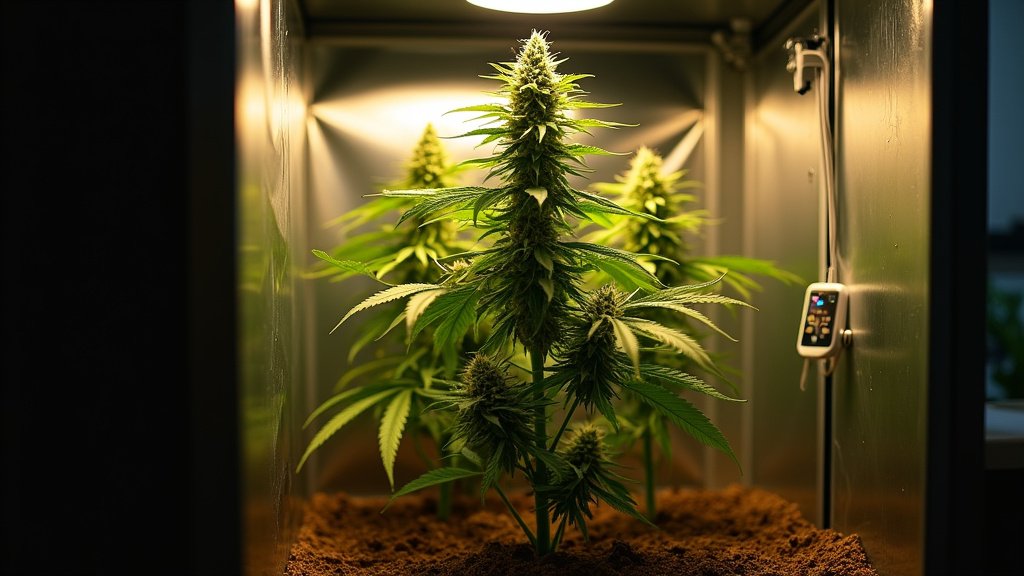
Starting a cannabis grow can be done affordably. A makeshift closet setup is possible. Use reflective material like Mylar on walls. This maximizes light use. LED grow lights are energy-efficient and cost-effective long-term. A 100-watt LED can support one plant. Super soil simplifies feeding. It contains nutrients. You primarily need to water the plant.
Beginner cannabis cultivation is a learning process. By understanding your strain, common issues, and simple solutions, you can improve your chances of a successful harvest. Patience and careful observation are your best tools.