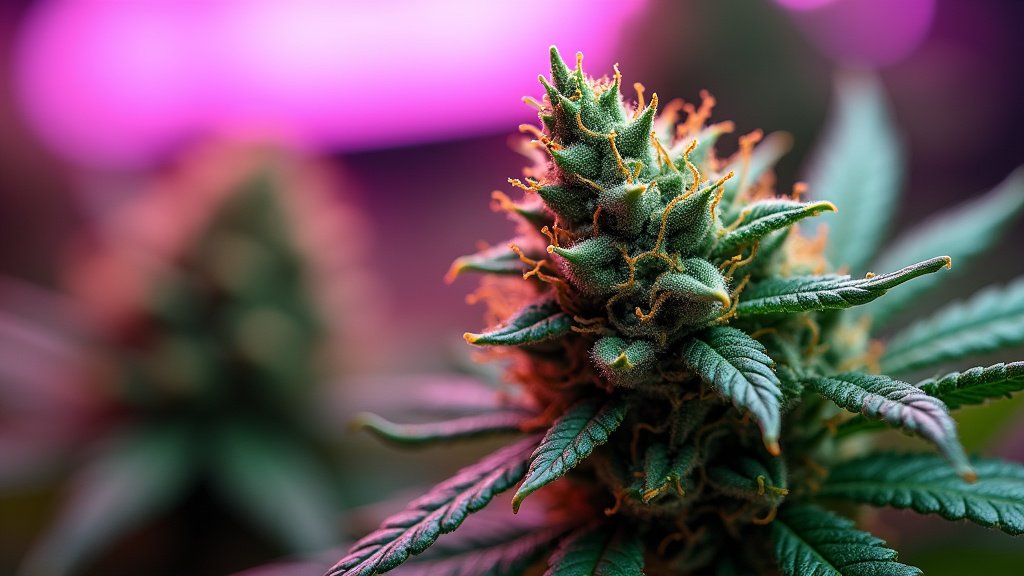
Unlock bigger cannabis yields. Achieve higher THC levels. Expert cultivation advice can guide you. Many growers seek these improvements. Your cannabis plants can thrive. Follow these game-changing insights.
Maximize Light for Potency
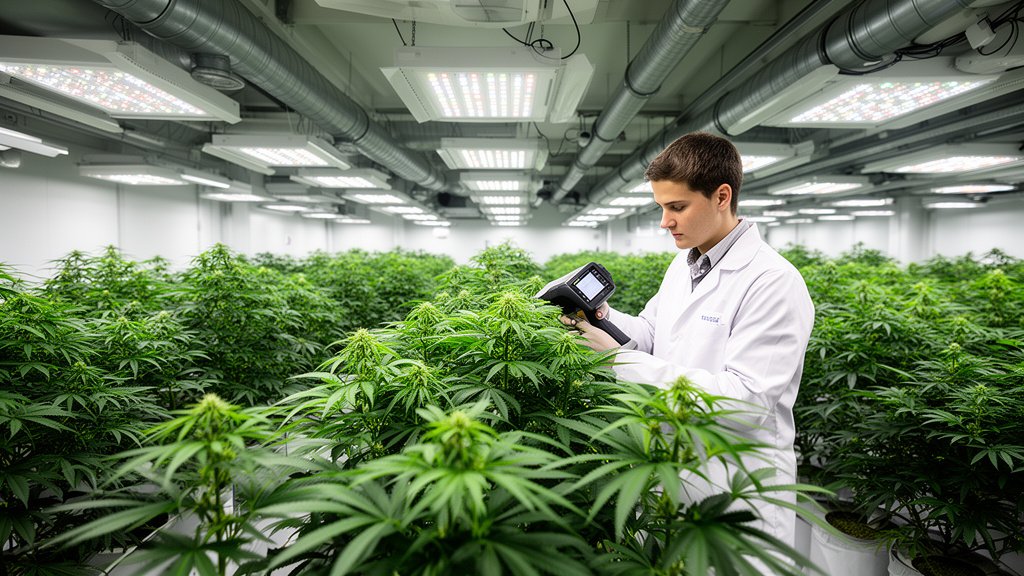
More light means more THC. This is a key finding. Lab tests confirm this correlation. Buds receiving higher light intensity show greater THC. Even on the same plant, this holds true. Ensure buds get strong, direct light. This maximizes THC production. Prioritize powerful grow lighting. LED grow lights are often the best choice. They deliver intense light efficiently. Powerful LEDs provide more light to buds. This helps buds develop fully. For cooler spaces, HPS lights might offer warmth. Balance is crucial for light spectrum. Red light can increase THC. However, too much red can reduce yields. Blue light is better for early growth. Red light aids flowering. Consider a full spectrum. This mimics natural sunlight. Keep lights close. Avoid light stress on plants. This prevents leaf bleaching. Optimal light intensity is key. Studies show higher light boosts biomass. It improves yields up to a point. Measuring light intensity is vital. Aim for correct PPFD levels. These levels vary by growth stage. Proper light management enhances bud quality. It also improves cannabinoid content.
Strategic Defoliation for Growth
Defoliation can increase yields. It boosts bud density. It also raises THC levels. This technique improves light and air flow. Remove unnecessary leaves. Focus on larger fan leaves. This helps buds get more light. It also improves air circulation. This reduces mold risks. Defoliation can redirect plant energy. Energy goes to bud development. This leads to denser flowers. It can also increase THC. Some theories suggest stress increases THC. Defoliation can stress the plant slightly. However, timing is important. Defoliate early in flowering. Avoid heavy defoliation later. Plants need leaves for photosynthesis. Do not remove too many leaves. Never strip more than 20-25%. Give plants time to recover. Over-defoliation can harm yields. It robs plants of energy. Choose your leaves wisely. Focus on lower, shaded leaves. Remove any blocking bud sites. This free technique offers big benefits.
Control Your Environment Precisely
Temperature and humidity control are vital. Cannabis plants thrive in specific ranges. Daytime temperatures should be 70-85°F (21-29°C). A slight nighttime drop helps plants. Aim for about a 10°F (6°C) difference. This mimics natural conditions. It enhances plant resilience. Humidity needs change by stage. Vegetative growth prefers 50-70% humidity. Flowering needs lower humidity. Aim for 40-50% during flowering. Late flowering can drop to 30-40%. Lower humidity prevents mold. It also encourages resin production. Proper airflow is also essential. Fans and vents maintain consistent temperature. They also reduce moisture buildup. Monitor conditions with sensors. Adjust systems as needed. Dehumidifiers help in wet areas. Humidifiers can add moisture if dry. Stable conditions prevent plant stress. Healthy plants handle light better. They also produce better yields.
Master Nutrients and pH
Nutrient management is critical for cannabis cultivation. Plants need nitrogen during vegetative growth. This fuels leaf and stem development. Phosphorus and potassium are vital for flowering. They promote bud growth and density. Follow feeding schedules carefully. Adjust nutrients for each growth stage. Macronutrients like N, P, and K are primary. Micronutrients are also essential. Calcium and magnesium play key roles. Iron and zinc are also important. Check nutrient labels for ratios. Understand N-P-K values. They guide nutrient balance. Watch for deficiency symptoms. Yellowing leaves signal problems. Burnt tips indicate toxicity. pH management is equally important. It affects nutrient absorption. For soil, aim for 6.0-6.8 pH. Hydroponic systems prefer 5.5-6.5 pH. Coco coir thrives between 5.8-6.3 pH. Coco coir is inert. It requires careful nutrient delivery. Test your nutrient solution pH. Adjust it using pH up or down. Consistent pH ensures nutrient availability. It prevents nutrient lockout. This leads to healthier plants. It maximizes your harvest quality.
Conclusion
Achieving bigger yields and more THC takes effort. Optimize your lighting. Defoliate strategically. Control your environment. Manage nutrients and pH precisely. These cultivation techniques offer significant advantages. They help your cannabis plants reach their full potential. Implement this advice. Watch your harvest improve. Happy growing!