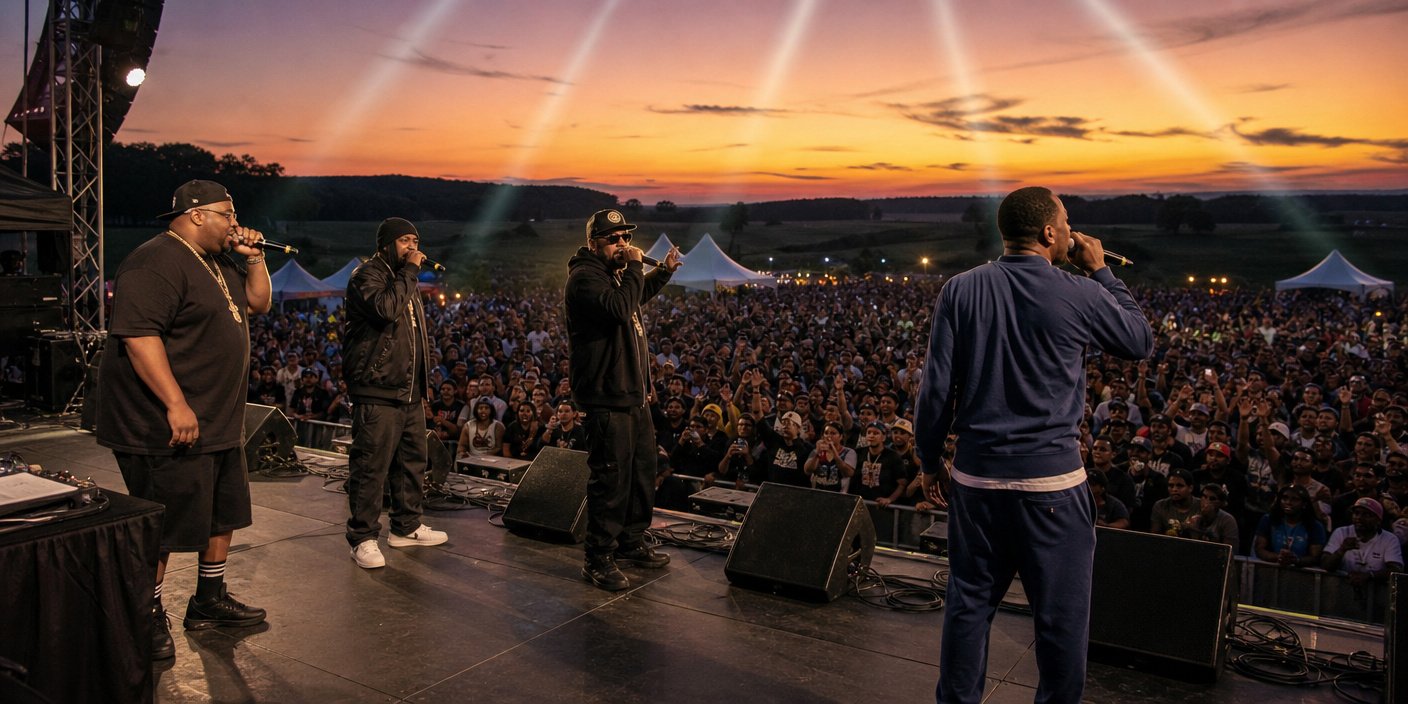
Thousands of advocates, enthusiasts, and curious observers converged on the University of Michigan’s Diag this weekend to celebrate the 55th annual Ann Arbor Hash Bash, a landmark anniversary for one of the longest-running cannabis reform events in the United States. Since its inception in 1972, the rally has evolved from a small, rebellious gathering into a massive, legalized cultural phenomenon that serves as both a historical touchstone and a platform for ongoing policy discussions.
A Legacy of Activism and Reform
The history of Hash Bash is deeply intertwined with the broader narrative of American cannabis policy. Originally sparked by the 1971 sentencing of activist John Sinclair to ten years in prison for the possession of two marijuana joints, the event began as an act of civil disobedience. Today, standing in the heart of Ann Arbor, the event honors those early years of activism while highlighting how much has changed since Michigan legalized adult-use cannabis in 2018. Attendees this year emphasized that while the legal battle has shifted, the spirit of advocacy remains vital.
The Evolving Landscape of Cannabis Culture
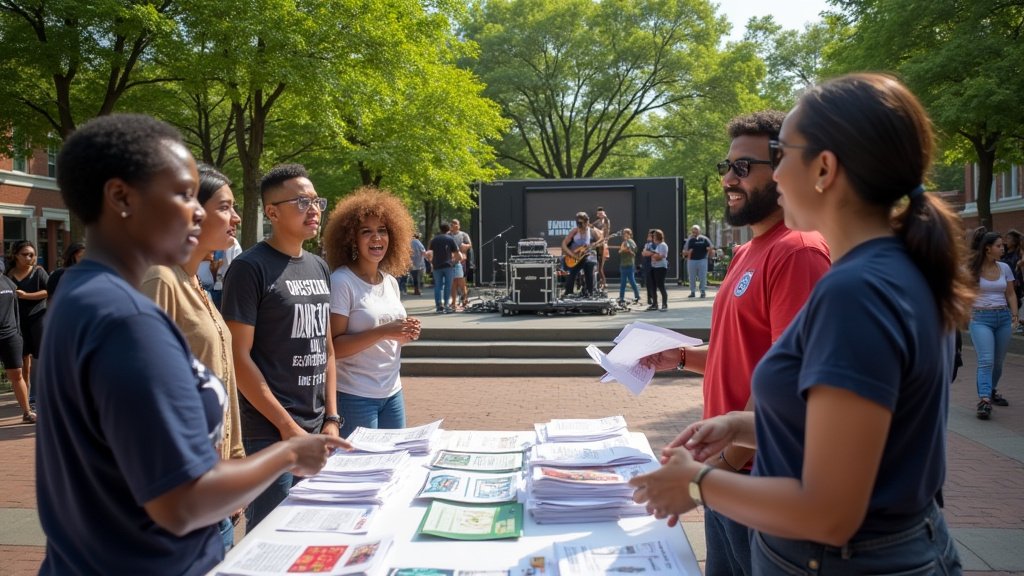
Beyond the political speeches and calls for federal descheduling, this year’s anniversary highlighted the maturation of the cannabis industry. Vendors, local businesses, and community organizations occupied the surrounding areas, showcasing the intersection of commerce, education, and culture. The event has transitioned from a fringe protest to a mainstream celebration, yet organizers remain focused on critical issues such as social equity, expungement of past convictions, and responsible usage. The festival serves as a unique barometer for the public sentiment regarding cannabis in the Midwest, blending a festive atmosphere with serious discourse on public health and regulation.
Challenges and Future Horizons
Despite widespread legalization in Michigan, speakers at the 55th anniversary event underscored that the work is far from finished. Discussions centered on the need for continued federal reform, the protection of small-scale legacy operators, and the necessity of addressing the remaining disparities in the legal market. The 55th Hash Bash functioned not just as a retrospective of a 55-year journey, but as a roadmap for the future. As the crowd grew in size throughout the afternoon, the energy remained focused on community, advocacy, and the long-term goal of fostering an equitable, safe, and transparent cannabis environment for all citizens.