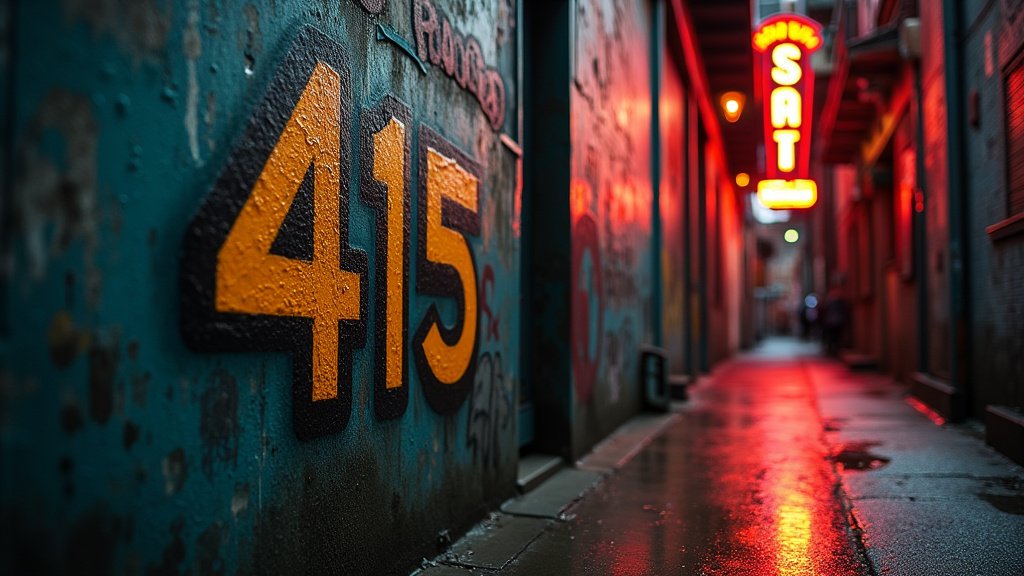
San Francisco is buzzing with anticipation as the city prepares for its annual, unofficial holiday: 415 Day. Falling on April 15, this vibrant local tradition bridges the gap between civic history and modern identity, celebrating everything that makes San Francisco one of the most unique cities in the world. As the city marks its 176th birthday since incorporation in 1850, residents are looking to the 415 area code—a symbol of deep-rooted community—to guide the festivities. With major events returning to the downtown and Mission corridors, the spirit of the ‘415’ is set to take center stage in a city that prides itself on resilience, creativity, and a relentless commitment to its local culture.
Key Highlights
- Dual Significance: 415 Day celebrates both San Francisco’s official 1850 incorporation and the city’s iconic 415 area code, serving as a pillar of local identity.
- Major 2026 Events: This year’s celebrations include the 415 Day Festival at 620 Jones Street and the EMPIRE-hosted 415 Night Market at The Crossing at East Cut.
- Roots of Resistance: Founded in 2016 by the Solidarity Forever Collective, the holiday emphasizes ‘Resistance, Resilience, and Restitution,’ prioritizing community survival over corporate interest.
- Local Focus: The day acts as a major showcase for homegrown artists, comedians, and small business owners, serving as a vital economic engine for the city’s creative class.
A Celebration of Identity and Innovation
San Francisco has always been a city of contradictions and innovation, and 415 Day serves as the ultimate distillation of that spirit. What started as a grassroots, informal movement has evolved into a staple on the local calendar, representing a pushback against the rapid gentrification that has threatened the city’s working-class and minority communities.
The Historical and Cultural Tapestry
The origins of 415 Day are a blend of happenstance and intentional community building. On April 15, 1850, San Francisco was officially incorporated as a U.S. city. Decades later, as the city established its telephonic identity, the 415 area code became synonymous with everything from the Mission District to the outer Sunset. By 2016, local organizers within the Solidarity Forever Collective recognized the power of this alignment. They launched the first official community 415 Day, declaring the holiday a political act of survival—a commitment to defending their ‘hoods’ and honoring the Black and Brown communities that have historically been the backbone of San Francisco’s unique character.
2026 Festivities: Where to Be
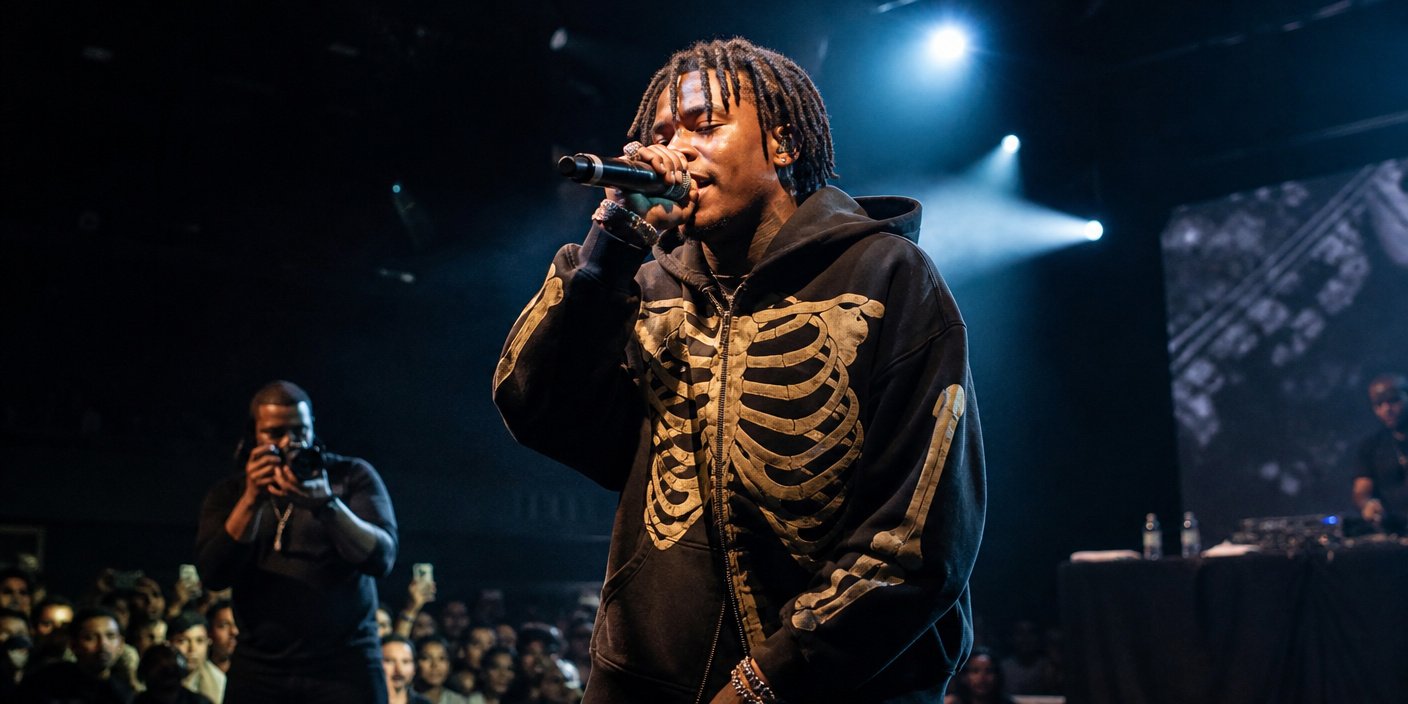
This year’s celebrations are expansive, offering something for everyone from music lovers to foodies. The 415 Day Festival, organized by SvnbySvn and Still Winnin’, is set to transform 620 Jones Street into a hub of energy. Featuring performances from local artists—including a mix of classic Frisco legends and emerging talent—the festival promises to honor the deep lineage of Bay Area sound.
Concurrently, The Crossing at East Cut will host the 415 Night Market, presented by EMPIRE. This event leans into the city’s thriving food scene, bringing together local vendors, food trucks, and DJ sets. These events are not merely parties; they are economic opportunities for local businesses that often struggle to find visibility in an increasingly expensive city. By focusing on homegrown enterprises, 415 Day reinforces the importance of keeping the “local” in the local economy.
The Three Pillars: Resistance, Resilience, and Restitution
To understand 415 Day, one must understand its founding tenets. Organizers have long maintained that the holiday is not neutral. By intentionally avoiding city permits and corporate sponsorships, the core celebrations aim to maintain an authenticity that many other urban festivals lack.
- Resistance: Taking a stance against displacement and the erasure of long-term communities.
- Resilience: Celebrating the ability of San Francisco natives to thrive despite socioeconomic shifts.
- Restitution: A call to recognize and repair the historical inequities faced by the city’s marginalized populations.
These pillars guide the programming, ensuring that the day remains true to its mission. Even as the event grows in popularity, the focus remains squarely on the people who have been here, through the tech booms and the economic downturns, keeping the heart of the city beating.
Looking Ahead: The Future of 415 Day
As we look toward the future, the sustainability of 415 Day depends on the next generation of organizers. While it has gained mainstream recognition in recent years, the challenge remains balancing growth with the original vision. The 2026 iteration suggests that the holiday is entering a new phase of maturity. With institutional support in the form of collaborations with figures like those at EMPIRE, the scale of production is increasing, but the programming remains distinctly “Frisco.”
This balance is critical. If 415 Day can continue to amplify the voices of artists, entrepreneurs, and activists while welcoming the newer arrivals to the city, it will secure its place as San Francisco’s most important annual tradition. It is a reminder that cities are not defined by their real estate or their corporate headquarters, but by the people who occupy them, the music they play, and the history they refuse to forget.
FAQ: People Also Ask
Why is April 15th chosen as 415 Day?
It is a dual celebration. April 15th marks the date San Francisco was officially incorporated as a city in 1850, and it numerically mirrors the city’s original, iconic 415 area code.
Who started 415 Day?
The holiday was formalized in 2016 by the Solidarity Forever Collective (SFC), an autonomous group of organizers, artists, and educators who aimed to celebrate San Francisco’s working-class and minority communities.
Is 415 Day an official city holiday?
It is not a government-sanctioned city holiday. It is an unofficial, grassroots celebration organized by local collectives, musicians, and small business owners to celebrate the city’s culture and spirit.
How does 415 Day address gentrification?
Founders of the holiday structured it around the principles of ‘Resistance, Resilience, and Restitution.’ By prioritizing local, non-corporate events and refusing city permits or corporate sponsorships, the movement aims to preserve the cultural identity of neighborhoods threatened by displacement.