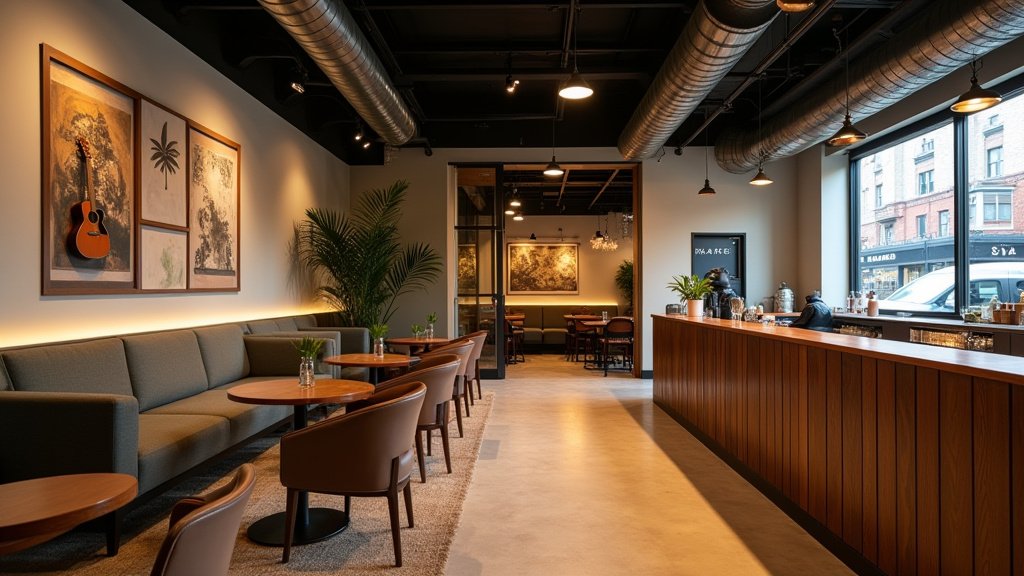
San Francisco is on the cusp of redefining the cannabis consumption experience, with city officials unveiling a comprehensive framework that would allow cannabis retailers to transform into full-scale hospitality venues. The proposed regulations, triggered by the passage of California Assembly Bill 1775 (AB 1775), represent a significant shift from the dispensary-only model toward an integrated nightlife and dining concept. If adopted, these rules would permit licensed cannabis businesses to host live entertainment, serve pre-packaged or prepared foods, and offer a variety of non-alcoholic beverages, effectively merging the local dispensary landscape with the city’s vibrant cafe culture.
Key Highlights
- State-Level Authorization: The movement is powered by AB 1775, the state law introduced by Assemblymember Matt Haney, which explicitly allows local jurisdictions to permit cannabis retailers to expand their service offerings.
- Hospitality Integration: The draft ordinance outlines strict operational requirements for retailers wishing to host live music events and provide food service, aiming to create a safe, regulated environment for on-site consumption.
- Non-Alcoholic Focus: A strict prohibition on alcohol remains in place, ensuring that the venues function strictly as cannabis-hospitality spaces rather than traditional bars.
- Safety and Compliance: The proposed framework mandates rigorous employee training, inventory control systems, and security protocols to mitigate public health risks and neighborhood impact.
Navigating San Francisco’s New Cannabis Hospitality Era
The landscape of San Francisco’s cannabis retail industry is poised for a dramatic evolution. For years, the city’s cannabis lounges have operated under tight, dispensary-focused constraints, limiting them to a transactional retail experience. The new proposal from city officials aims to tear down these barriers, creating a blueprint for “cannabis cafes” that could rival the city’s historic coffee and nightlife culture. This transition is not merely cosmetic; it involves complex regulatory scaffolding intended to harmonize public safety with commercial expansion.
The Legislative Catalyst: AB 1775
At the heart of this regulatory shift is AB 1775, a landmark piece of legislation authored by Assemblymember Matt Haney. By granting local governments the autonomy to authorize on-site food and entertainment, the state has effectively kicked the door open for cities to craft their own specific ordinances. San Francisco, a city known for its progressive cannabis policy, is acting swiftly to implement these local rules. The San Francisco Office of Cannabis has spearheaded the draft, which is currently moving through the legislative review process. This policy is designed to address the “gray market” of unlicensed social consumption, providing a legitimate, regulated alternative that keeps consumer activity off public streets and inside controlled environments.
Operational Mandates and Security Protocols
Transitioning a retail dispensary into a hospitality hub introduces significant operational complexities. The draft regulations emphasize that safety cannot be sacrificed for ambiance. Retailers aiming to host live music or serve food must navigate a stringent checklist of requirements.
Security is paramount. The proposed rules dictate that establishments must maintain enhanced security staffing during events. This includes trained personnel capable of monitoring occupancy levels, de-escalating potential conflicts, and ensuring that no underage individuals gain entry. Furthermore, employee training is a cornerstone of the new policy. Staff will need to be certified in recognizing signs of overconsumption, verifying identification, and managing the unique challenges associated with on-site cannabis consumption combined with food service. Inventory control is similarly rigid; the regulations stipulate that cannabis products must be securely tracked and separated from the food-service areas, preventing cross-contamination and ensuring that all sales comply with the strict tax and traceability mandates set by the California Department of Cannabis Control (DCC).
Designing the Cannabis Hospitality Experience
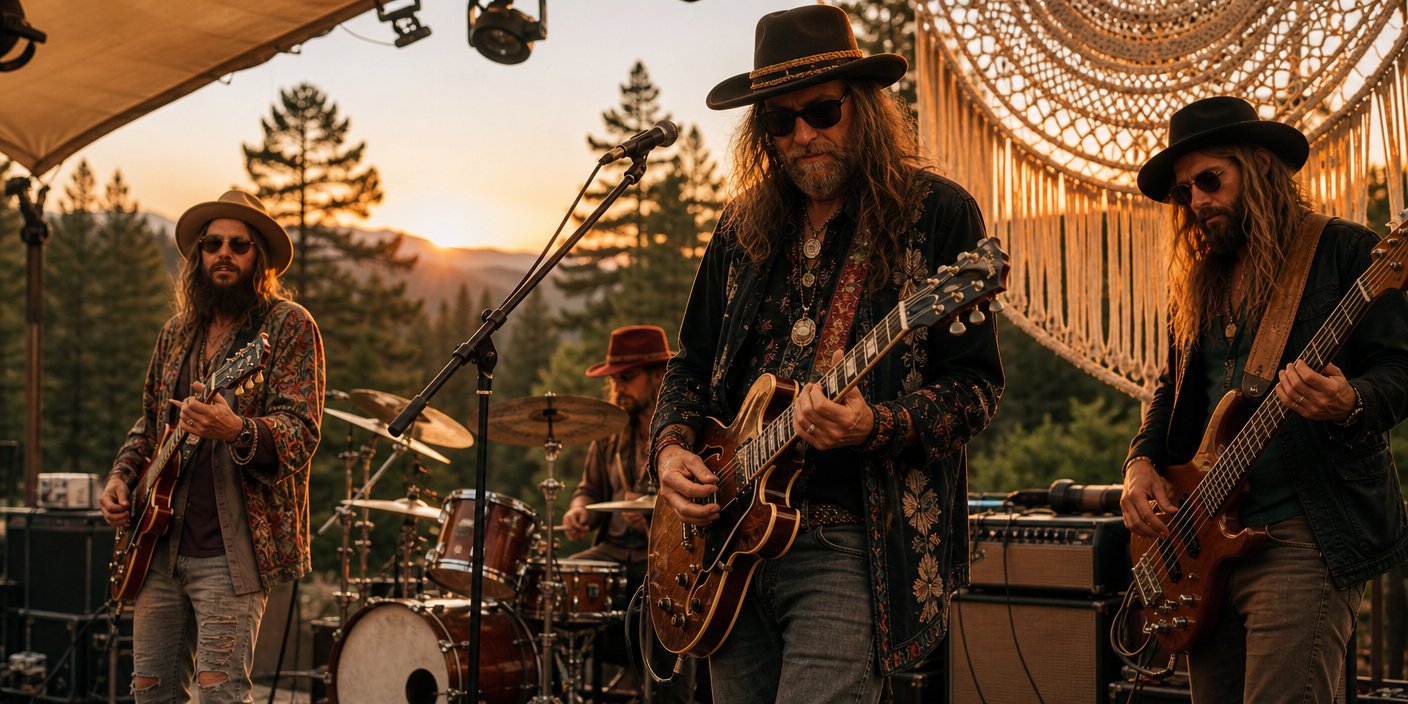
The integration of live music and food service is intended to create a “destination” experience, similar to the coffee shop culture prevalent in Amsterdam or Denver. By allowing live entertainment—whether acoustic sets, comedy, or spoken word—the city hopes to foster a community-centric environment. However, these spaces are strictly prohibited from serving alcohol. This regulatory “bright line” is crucial, as the interplay between cannabis and alcohol remains a significant concern for public health officials. By keeping the venues focused on non-alcoholic refreshments, the city aims to maintain a calm, controlled atmosphere, distinct from the rowdiness often associated with bar culture.
Economic Impact and Cannabis Tourism
From an economic perspective, this shift offers a massive opportunity for revitalization. As traditional retail struggles in many metropolitan areas, the “experience economy” has proven resilient. By allowing cannabis retailers to pivot toward a cafe model, the city is effectively expanding its tourism appeal. Tourists and locals alike are expected to flock to these venues, potentially generating significant tax revenue for the city. This move positions San Francisco as a potential global leader in cannabis tourism, attracting visitors specifically seeking the unique social consumption experience that is currently unavailable in many other parts of the world.
Ventilation, Public Health, and Neighborhood Integration
A major secondary angle often overlooked in the excitement of new venues is the logistical hurdle of ventilation and neighborhood impact. Because these venues will permit indoor smoking or vaping, the proposed rules mandate advanced air-filtration systems. These systems must be capable of exhausting smoke and odors to prevent nuisance issues for neighboring businesses and residents. This technical requirement is a non-negotiable aspect of the permitting process, ensuring that the modernization of cannabis spaces does not come at the cost of air quality or community comfort. The city is essentially forcing a technology upgrade on these businesses, which, while costly, is necessary for long-term viability in a dense urban environment.
The Historical Context of San Francisco Cannabis Policy
It is important to view this proposal through the lens of San Francisco’s deep-rooted cannabis history. From the early days of the AIDS crisis, when compassion clubs were the only source of medicine for the sick, to the legalization era, the city has always pushed the envelope. This latest proposal is the next logical step in that timeline. It marks a transition from “cannabis as medicine” to “cannabis as lifestyle/entertainment,” a cultural shift that mirrors the broader American public sentiment. By formalizing these regulations, San Francisco is effectively bringing the cannabis industry out of the shadows and into the sunlight of the mainstream hospitality sector, acknowledging that consumption is a social act that deserves a safe, regulated space.
FAQ: People Also Ask
1. When will these cannabis cafes be open to the public?
Currently, these regulations are in the draft and proposal phase. Following the release of the draft rules, they must undergo review and a public comment period before being voted on by the Board of Supervisors. There is no official start date for business operations yet.
2. Can these cafes serve alcohol alongside cannabis?
No. The regulations explicitly forbid the sale or service of alcohol. These venues are strictly limited to cannabis, food, and non-alcoholic beverages to maintain a controlled consumption environment.
3. What specific safety requirements must these cafes meet?
Retailers must implement enhanced security staffing, provide mandatory employee training on detecting overconsumption, and install advanced ventilation systems to manage smoke and odors, ensuring minimal impact on neighboring properties.
4. Is this legal under California state law?
Yes, this proposal is a direct implementation of AB 1775, which was signed into law to allow local jurisdictions across California the authority to permit such cannabis-hospitality models.