By 2026, the cannabis cultivation sector has shifted dramatically from legacy home-growing techniques to a data-driven, precision-agriculture model. Whether you are an enthusiast managing a micro-grow or an emerging industry professional scaling operations, the technical barriers to entry have evolved. This guide addresses the top 10 most frequently asked questions regarding cannabis cultivation in 2026, synthesizing professional insights into maximizing yields, optimizing environmental controls, and mastering post-harvest stabilization.
Key Highlights
• Implementation of AI-driven VPD (Vapor Pressure Deficit) monitoring is now the industry standard for preventing mold and maximizing terpene production.
• Regenerative organic cultivation techniques have overtaken traditional salt-based synthetic nutrients in terms of both market demand and long-term soil health.
• Curing technology has moved beyond the ‘jar method,’ with precision humidity-controlled, vacuum-sealed curing chambers becoming essential for preserving cannabinoids.
• Compliance-first cultivation, including automated batch-tracking, is mandatory to meet 2026 regulatory standards in legal markets.
Mastering 2026 Cultivation: Precision, Sustainability, and Science
As the industry matures, the divide between hobbyists and professionals is narrowing through the adoption of high-tech infrastructure. Modern cultivation is no longer just about ‘lighting and water’; it is about ecosystem management.
The Rise of Precision Agriculture
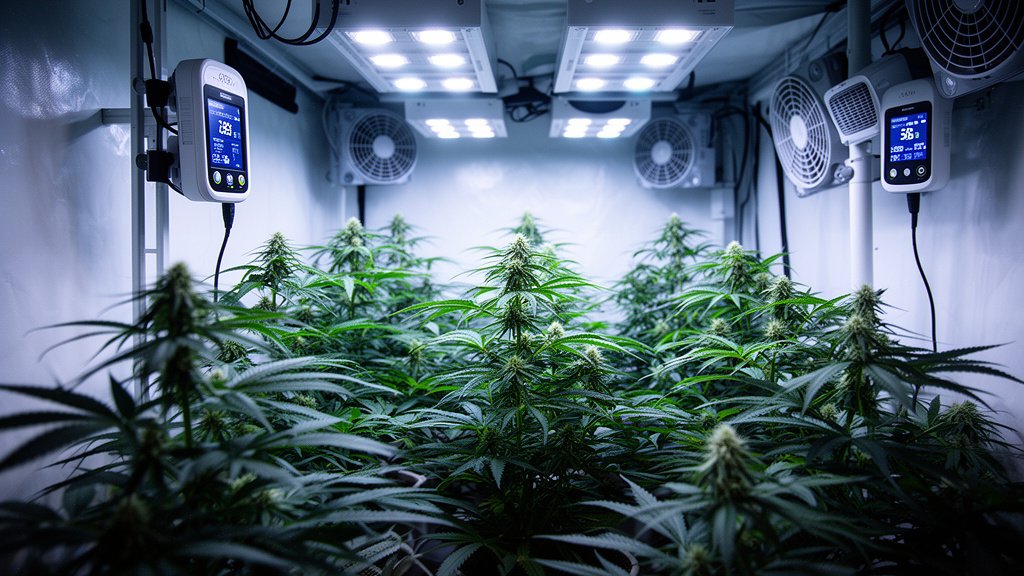
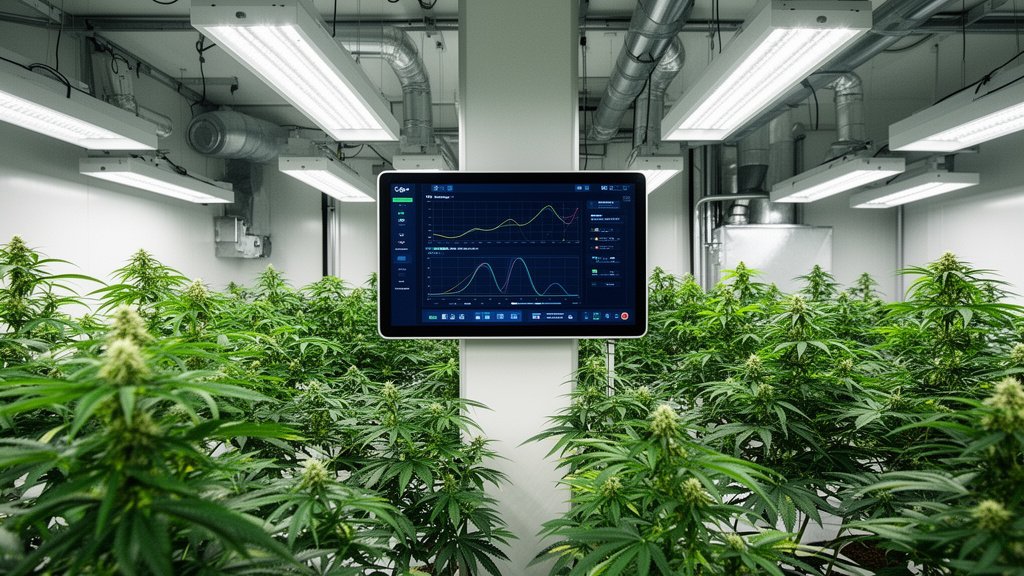
One of the most frequent questions from growers in 2026 concerns the efficacy of precision tools. The days of manual adjustments are over. Professional growers now rely on integrated sensor arrays that manage VPD, CO2, and light spectrums simultaneously. By maintaining a target VPD between 0.8 and 1.2 kPa during the vegetative stage and 1.2 to 1.5 kPa during flowering, growers are reporting consistent yield increases of 15-20%. Organizations like the Cannabis Control Commission and industry publications such as MJBizDaily emphasize that data logging is no longer optional; it is the backbone of consistent commercial quality.
Sustainable Nutrient Delivery
Sustainability is the secondary angle we must address. The transition toward Regenerative Organic Certified (ROC) growing practices is not merely a trend—it is a financial imperative. Synthetic nutrient runoff is being penalized, and organic, biologically active soils are producing superior terpene profiles. The key to 2026 cultivation is microbial diversity. By introducing mycorrhizal fungi and beneficial bacteria, growers are reducing the reliance on inorganic boosters while simultaneously improving drought resistance in their plants.
Advanced Post-Harvest Stability
What happens after harvest is arguably more critical than the grow cycle itself. Many cultivators ask how to retain ‘fresh-frozen’ levels of quality in dried flower. The answer lies in the adoption of bio-preservation drying chambers. By maintaining temperatures below 65°F (18°C) and relative humidity between 55% and 62%, cultivators can prevent the degradation of volatile compounds. The goal is to extend the shelf-life of the flower without compromising the ‘nose’ or potency, a strategy that directly impacts wholesale market value.
Navigating Compliance and Technology
For the commercial grower, the intersection of technology and law is the primary hurdle. Automated batch tracking is now a standard requirement. The use of digital ledger technology (DLT) or blockchain-backed compliance software ensures that every gram of product can be traced from seed to sale. This transparency is key to building trust with distributors and regulatory bodies, ensuring that your operation remains viable in an increasingly audited marketplace.
The Evolution of Genetic Selection
Finally, genetic selection has become far more granular. Growers are moving away from generic seeds and toward F1-hybrid stability. By leveraging genomic testing services—similar to those offered by top-tier biotech labs—cultivators can now identify desirable phenotypes (e.g., higher cannabinoid concentration, pest resistance) within the first few weeks of vegetative growth, drastically reducing wasted space and energy on ‘dud’ plants.
FAQ: People Also Ask
1. Q: What is the most important factor for yield in 2026?
A: Precision climate control. Mastering VPD (Vapor Pressure Deficit) is the single most effective way to optimize plant transpiration and nutrient uptake, leading to maximum yields.
2. Q: Should I use synthetic or organic nutrients?
A: The industry is shifting toward organic/regenerative inputs. While synthetic nutrients offer speed, organic inputs provide superior terpene profiles and long-term substrate health, which are increasingly valued in the premium market.
3. Q: How can I ensure my harvest passes 2026 safety regulations?
A: Focus on Integrated Pest Management (IPM). Eliminate the use of banned systemic pesticides and switch to biological controls, such as beneficial insects and micro-bacterial sprays, to ensure your end product passes stringent testing protocols.
4. Q: Is CO2 enrichment still worth the investment?
A: Yes, but only if your light intensity is high enough to support it. At lower photon flux densities, extra CO2 is wasted. Ensure your photosynthetic photon flux density (PPFD) is consistently above 800-1000 µmol/m²/s before investing in CO2 systems.