The cannabis landscape in 2026 has undergone a profound metamorphosis, leaving behind the remnants of mid-20th-century “stoner culture” in favor of a sophisticated, health-oriented consumer model. For the modern consumer, the priority is no longer just psychoactive intoxication; it is biological optimization. According to recent data from market analysts like BDSA, the industry has experienced a distinct pivot where “functional usage”—cannabis products marketed for sleep, focus, or stress management—now accounts for over 40% of shelf space in leading dispensary markets. This evolution tracks with the normalization of cannabinoids as supplements, moving products into the same functional lifestyle category as ashwagandha, magnesium, or adaptogenic mushrooms.
Key Highlights
- Functional Dominance: A 35% increase in demand for low-THC, high-CBN/CBD formulations specifically engineered for sleep hygiene and anxiety regulation.
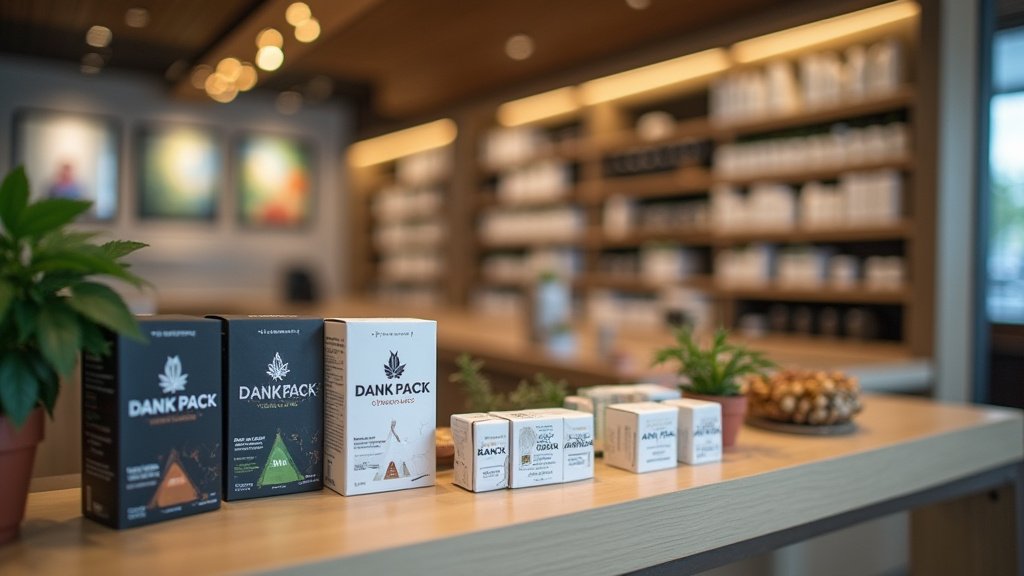
- The Wellness Aesthetic: Packaging trends have shifted from bold, counter-culture designs to minimalist, clinical aesthetics that prioritize transparency, ingredient lists, and dosage precision.
- Professional Normalization: A marked rise in “functional micro-dosing” among high-performing demographics who integrate cannabinoids into daily routines without impairing cognitive function.
- Regulatory Maturation: Increased pressure from agencies like the FDA has accelerated the adoption of standardized safety testing, mirroring pharmaceutical-grade production standards.
From Intoxication to Biological Optimization
The 2026 market reflects a fundamental change in intent. Historically, cannabis was evaluated on THC potency—the “high” being the sole metric of value. Today, the conversation is dominated by the “entourage effect,” but with a scientific focus on how cannabinoids interact with the human endocannabinoid system to regulate homeostasis.
Consumers are increasingly seeking micro-doses—defined as 2.5mg to 5mg of THC—combined with specific terpenes like limonene for mood elevation or myrcene for physical relaxation. This “precision dosing” allows the user to experience the benefits of the plant without the “couch-lock” associated with legacy products. This trend is not merely recreational; it is being driven by a consumer base that treats cannabis as a supplement to navigate the stressors of a high-pressure modern economy.
The Rise of the Functional CPG Model
The most significant economic shift in 2026 is the adoption of Consumer Packaged Goods (CPG) strategies. Brands are no longer positioning themselves as dispensaries; they are positioning themselves as lifestyle wellness companies. This includes the development of “delivery systems” that mimic the pharmaceutical industry: controlled-release patches, sublingual films, and precise-dosage inhalers that provide immediate, replicable effects.
Industry groups like the National Cannabis Industry Association (NCIA) note that this professionalism is critical for long-term sustainability. By aligning with wellness metrics, the sector is capturing the “sober-curious” demographic—individuals who are seeking alternatives to alcohol but want the ritualistic and relaxing benefits of a social or personal “wind-down” beverage or edible.
Secondary Angles: Future Trajectories
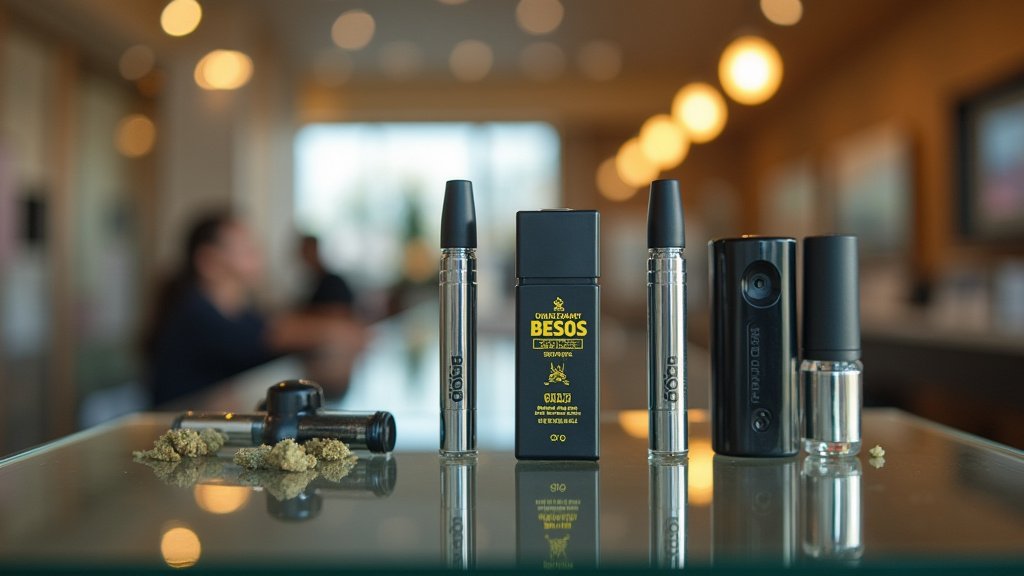
1. The Technology of Delivery: We are witnessing a hardware revolution. In 2026, vaporizers and inhalers are increasingly equipped with Bluetooth-enabled smart features that track usage metrics and limit dosage, directly addressing health concerns surrounding overconsumption.
2. The Economic Impact of Sophistication: As brands move toward the wellness model, they are commanding higher price points. Premium packaging that looks at home on a luxury bathroom vanity—devoid of traditional cannabis imagery—is proving to be a highly effective strategy for attracting a demographic with high disposable income.
3. Workplace and Legal Evolution: The societal destigmatization of functional cannabis use is putting pressure on traditional workplace drug testing policies. As more professionals rely on regulated, low-dose products for anxiety and sleep, HR departments are increasingly shifting from “zero tolerance” models to impairment-focused testing, acknowledging the difference between being under the influence and having trace metabolites in one’s system.
FAQ: People Also Ask
Q: What is the difference between recreational cannabis and functional wellness cannabis?
A: Recreational cannabis is typically formulated for high-potency, psychoactive effects. Functional wellness cannabis uses lower doses of THC paired with high levels of CBD, CBN, or CBC to target specific outcomes like sleep or stress relief without significant impairment.
Q: Why are companies shifting their packaging away from traditional cannabis imagery?
A: Brands are pivoting to minimalist, clinical packaging to reduce stigma and align with the broader health and wellness industry (skincare, supplements), aiming to capture consumers who would otherwise be intimidated by legacy “counter-culture” branding.
Q: Is micro-dosing scientifically backed?
A: While large-scale longitudinal studies are ongoing due to the complex regulatory environment, anecdotal evidence and preliminary clinical data suggest that smaller, consistent doses may provide therapeutic benefits while minimizing the negative side effects of high-THC consumption.
Q: How does the FDA regulate this trend?
A: The FDA continues to monitor the marketing claims made by cannabis companies. In 2026, there is strict enforcement against brands making unverified medical “cures” claims, pushing legitimate companies to focus on “wellness” and “lifestyle” messaging rather than medical diagnoses.