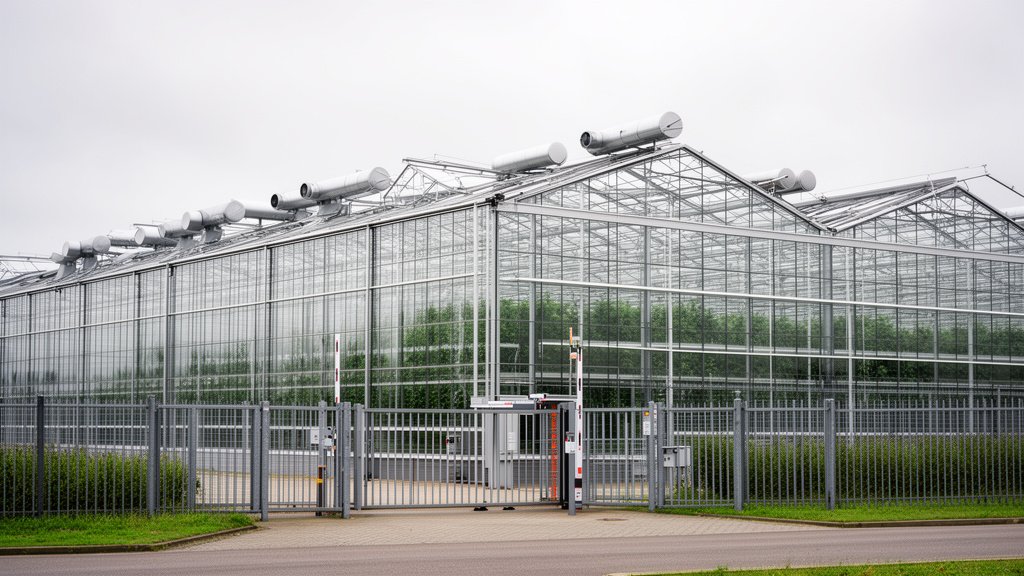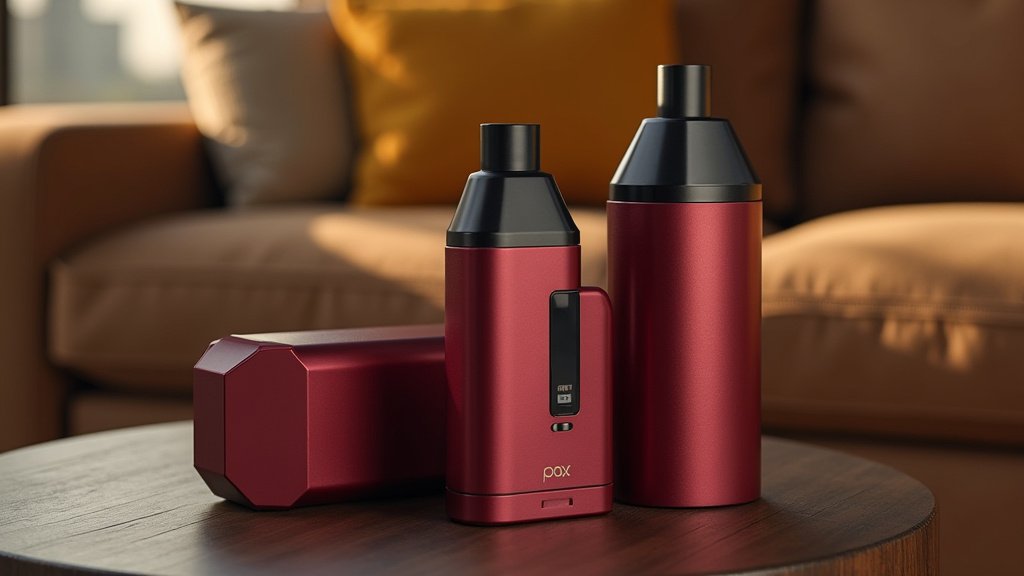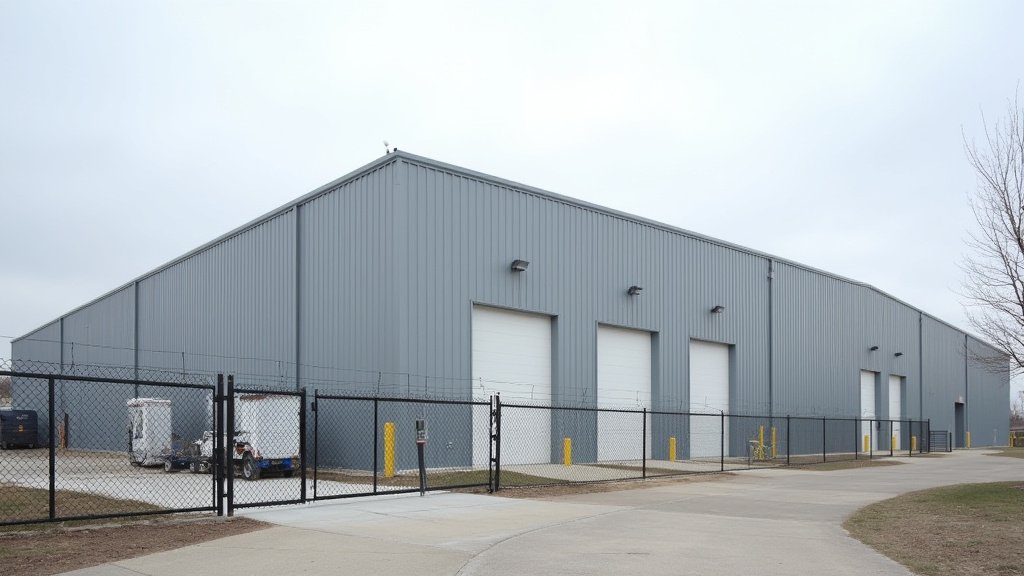
The Michigan Cannabis Regulatory Agency (CRA) has delivered a seismic shift to the state’s cannabis landscape, issuing a record-setting $2 million fine and a total operational shutdown against the manufacturer linked to the popular Muha Meds brand. This enforcement action, centered on severe manufacturing and compliance violations, forces an immediate halt to production at the facility, effectively freezing the supply chain for one of the state’s most ubiquitous cannabis product lines. The move serves as a stark reminder of the CRA’s intensifying scrutiny over licensees who fail to adhere to the rigid testing and remediation protocols established under the Michigan Regulation and Taxation of Marihuana Act.
Key Highlights
- $2 Million Penalty: The Cannabis Regulatory Agency (CRA) has issued a fine of $2 million, marking one of the largest regulatory penalties in the history of Michigan’s licensed cannabis market.
- Full Operational Shutdown: The manufacturer linked to Muha Meds, identified as Green Labs, has been ordered to immediately cease all manufacturing and processing operations.
- Compliance Violations: The enforcement action stems from rigorous investigations into improper testing, unauthorized remediation processes, and failure to maintain manufacturing standards required by state law.
- Supply Chain Disruption: Retailers across Michigan are now facing immediate inventory shortages as the facility’s output has been halted indefinitely pending further investigation and compliance resolutions.
Anatomy of a Regulatory Shutdown: The Green Labs Enforcement
The enforcement action against the manufacturer of Muha Meds—a brand that has long dominated the Michigan vape cartridge market—is not merely a fine; it is an existential threat to the company’s current operational model. The Cannabis Regulatory Agency (CRA) has been aggressively auditing licensees over the past several months, and this $2 million penalty is the culmination of an investigation that exposed systemic failures in the company’s manufacturing facility.
The Failure of Compliance Protocols
At the core of the state’s complaint are allegations concerning the handling of cannabis flower and concentrates. Sources within the regulatory environment indicate that the investigation revealed critical deviations from the Michigan Regulation and Taxation of Marihuana Act. Specifically, the CRA alleges that the manufacturer bypassed mandatory safety testing requirements. In the highly regulated Michigan market, cannabis products must undergo rigorous testing by licensed third-party labs to screen for pesticides, heavy metals, microbial contaminants, and residual solvents.
Evidence suggests the manufacturer engaged in unauthorized remediation of failing products. Remediation—the process of removing contaminants from a product—is strictly regulated in Michigan. Attempting to sanitize product that has already failed state-mandated safety tests without adhering to the precise, documented, and approved methods constitutes a severe breach of public trust and state law. By allegedly bypassing these controls, the facility compromised the integrity of the safety data submitted to the state, creating a ‘black box’ scenario where the true safety profile of the distributed products was obscured.
The Impact on Michigan’s Cannabis Ecosystem
This shutdown sends a shockwave through the Michigan cannabis economy. Muha Meds is not a boutique operation; it is a volume-heavy brand with significant penetration in dispensaries statewide. The sudden removal of this manufacturer’s products from the market creates an immediate inventory void. Retailers are now scrambling to restock their shelves, while consumers are left questioning the safety of the products they have previously purchased and consumed.
However, industry analysts argue that this action is a necessary ‘market correction.’ By levying such a substantial fine and forcing a facility closure, the CRA is signaling to the broader industry that the ‘Wild West’ era of Michigan cannabis is firmly in the past. This is a message aimed at all processors and growers: the cost of non-compliance is no longer just a regulatory nuisance; it is a business-ending event.
Evaluating the Future of the Brand
What happens next is a complex legal and regulatory dance. The manufacturer is faced with two choices: fight the CRA in administrative court or move toward compliance remediation to reopen. Given the magnitude of the fine and the nature of the alleged violations—specifically the tampering with safety protocols—reopening will require a complete overhaul of the company’s management, quality assurance departments, and internal SOPs. The CRA’s requirements for reinstatement will likely include independent audits, new management oversight, and potentially prolonged monitoring periods that could span months, if not years.
For the consumer, this event highlights the importance of the ‘Metrc’ tag system—the state’s seed-to-sale tracking software. While this shutdown targets the manufacturer, the fallout underscores the critical reliance on state testing infrastructure. Consumers are advised to check the batch numbers on their existing products against any potential future recalls, though the current order focuses primarily on the manufacturing facility’s operations rather than a product-specific recall at this hour.
FAQ: People Also Ask
1. Is Muha Meds officially banned in Michigan?
No, the brand itself is not banned. The enforcement action specifically targets the manufacturer/processing facility (Green Labs) that produces these products. Once a facility meets regulatory compliance and pays necessary fines, they could theoretically resume operations, though this is a long and difficult path.
2. Are my current Muha Meds products safe to use?
Regulatory agencies in Michigan have not yet issued a blanket recall on all previously purchased products. However, the investigation focuses on failures in safety testing. If you are concerned, check the packaging for the producer license number and cross-reference it with the Cannabis Regulatory Agency’s public database for any specific recall notices.
3. Why was the fine so high?
$2 million is a significant penalty, designed to be punitive and to serve as a deterrent. It reflects the severity of the violations, which likely involved high-volume production of products that may not have met mandatory safety standards, potentially impacting a large consumer base.
4. What does this mean for Michigan cannabis prices?
In the short term, supply chain disruptions often lead to price volatility. As retailers lose access to a major supplier, supply may tighten, which could cause price fluctuations for comparable vape products in the immediate future.