Richmond, California, has transformed into a focal point for the cannabis cultivation industry today as it hosts Clonetopia 2026 II. This highly anticipated event marks a significant evolution in Northern California’s agricultural festival scene, effectively bridging the gap between professional-grade horticultural science and the inclusive, energetic atmosphere of a modern cultural gathering. For attendees, this is not merely a market; it is a convergence of local nurseries, cannabis enthusiasts, and lifestyle brands, all centered around the release of proprietary genetic strains.
Key Highlights
- Exclusive Genetic Drops: The event features the highly anticipated regional release of spring genetics, showcasing stabilized strains from top NorCal cultivators.
- Cultural Integration: A carefully curated vendor village provides a backdrop of local arts, artisanal food, and immersive experiences, distinct from traditional trade shows.
- Horticultural Focus: Expert-led sessions emphasize sustainable growing, integrated pest management, and the science of phenotype selection.
- Community Connectivity: The event serves as a networking hub for the NorCal cannabis community, connecting home growers with industry professionals and specialized breeders.
The Evolution of the NorCal Cultivation Experience
Clonetopia 2026 II represents a maturing shift in how cannabis genetics are distributed and celebrated in Northern California. While early iterations of clone-based events were often underground or highly restricted, the 2026 edition in Richmond underscores the industry’s move toward professional, public-facing, and community-integrated commerce.
The Science of the Release
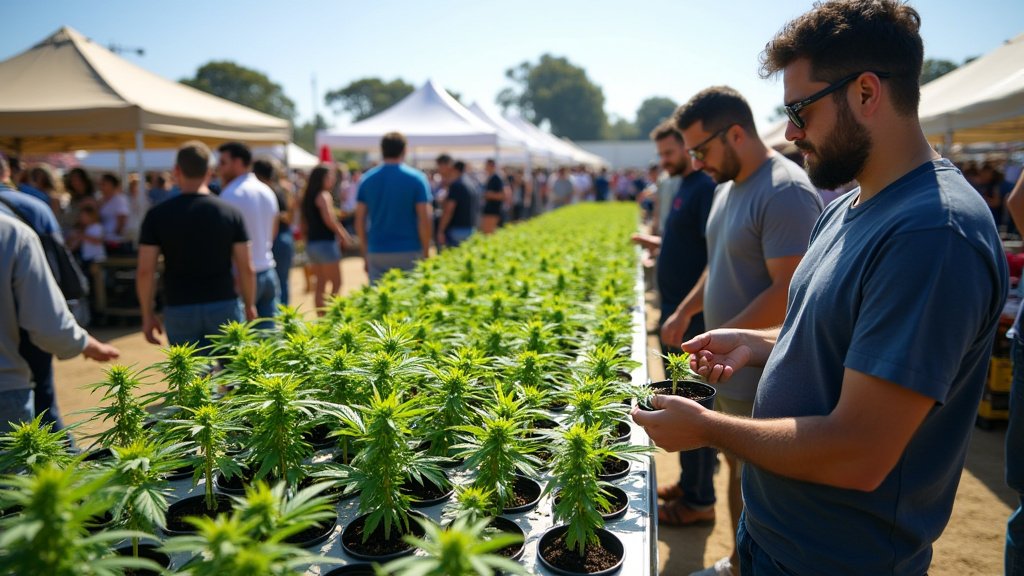
The core draw of Clonetopia remains the “drop.” In the horticultural world, a clone release is the equivalent of a new product launch. At this year’s event, breeders are focusing on genetic stability and climate-hardy strains specifically adapted to the Mediterranean-like climate of the Bay Area. Attendees are given direct access to these cuttings, which have been vetted for vigor and yield. Unlike generic cannabis markets, the focus here is on the foundational stage of the plant’s life cycle. This shift toward “grower-first” commerce empowers the individual consumer, moving them from passive buyers of finished products to active participants in the agricultural process.
Integrating Arts, Food, and Community
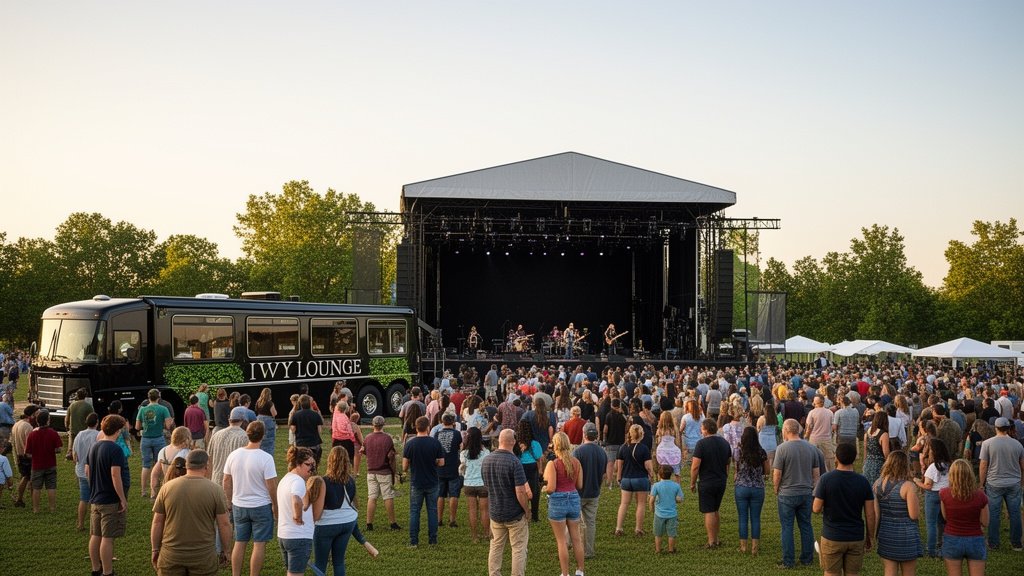
Beyond the plants, Clonetopia 2026 II distinguishes itself through its festival atmosphere. The event planners have effectively utilized the Richmond landscape to create a multi-sensory environment. Local Bay Area DJs are providing a curated soundtrack, establishing a rhythmic energy that keeps the foot traffic moving between booths. The inclusion of local food vendors and pop-up art installations acknowledges that the cannabis community is inextricably linked to the broader NorCal creative economy. This “lifestyle festival” model is proving to be a winning strategy, turning what could have been a dry academic exchange into a destination experience.
Navigating the Regulatory Landscape
Organizers have prioritized compliance and education as key components of this year’s gathering. With the maturation of the California market, events like Clonetopia are under increased scrutiny. By hosting in Richmond, the organizers have worked to ensure that the event meets all municipal guidelines, creating a safe space for the exchange of knowledge. The educational workshops are particularly vital, covering topics ranging from water-wise irrigation to legal compliance for home cultivation. This focus on education acts as a safeguard, ensuring that the participants leave with not just a plant, but the necessary knowledge to foster it successfully.
Secondary Angles: Understanding the Wider Impact
1. The ‘Grow-Your-Own’ Movement: Clonetopia highlights a surging interest in home cultivation as a reaction to rising retail prices. By providing accessible, high-quality genetics, the event is a catalyst for localized, micro-scale agriculture.
2. The Economic Footprint: The festival attracts participants from across the state, bringing significant foot traffic to the Richmond area. This demonstrates how niche, passion-led festivals can revitalize local economies through cultural tourism.
3. Technological Advancements: The vendors at this year’s event are showcasing advanced propagation technologies—such as aeroponic starter systems and bio-organic nutrients—that allow even apartment-dwelling growers to achieve professional results.
FAQ: People Also Ask
Q: What makes the Clonetopia releases different from local dispensary offerings?
A: Clonetopia focuses on “genetics-first” procurement. While dispensaries sell finished flower, Clonetopia provides the proprietary cuttings themselves, allowing growers to raise strains from their earliest stages with breeder-backed support.
Q: Is the event open to the general public or industry professionals only?
A: The festival is designed to be accessible, catering to a blend of seasoned home cultivators and curious enthusiasts, provided they meet the standard age requirements for cannabis-related events in California.
Q: How does the Richmond venue impact the event’s atmosphere?
A: The Richmond location offers an ideal, spacious environment for a multi-zone layout, allowing the event to separate the quieter educational workshops from the louder, high-energy vendor and music areas effectively.