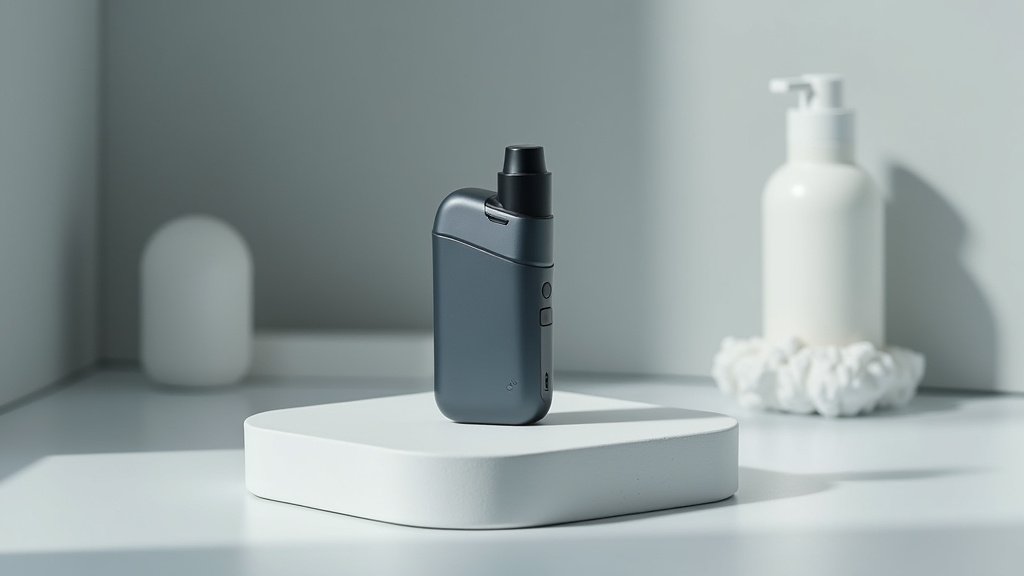
The landscape of cannabis consumption is shifting, moving rapidly away from the traditional, volatile methods of smoking and combustion toward precise, technology-driven solutions. Leading this charge is EasyDay Edibles, which has officially introduced its latest innovation, the CoolMST™ Inhaler, into the Washington, D.C. market. Developed through a strategic partnership with R2 Innovations Incorporated, this device represents a significant departure from existing consumption models. Unlike common vaporizers or smoking implements, the CoolMST™ is entirely mechanical. It operates without the need for batteries, external heat, or combustion, positioning it as a unique entrant in the cannabis delivery space.
The Mechanics of CoolMST™: A New Paradigm
At the heart of the CoolMST™ technology is a fundamental rethinking of how cannabinoids are delivered to the consumer. For decades, the primary methods of ingestion—smoking, vaping, and edibles—have often been characterized by variability in dosing and potential health concerns associated with heat and smoke inhalation. The CoolMST™ Inhaler addresses these friction points through a multi-patented mechanical design.
By eliminating the reliance on batteries and internal heating elements, the device removes several failure points common to electronic vaporizers, such as battery degradation, coil burnout, and the generation of harmful byproducts associated with burning organic material at high temperatures. Instead, the device uses a sophisticated mechanical aerosolization process. This system ensures that the product remains chemically stable and that the user receives an accurate, measured dose with each use, thereby mitigating the risk of overconsumption—a frequent challenge for new and experienced users alike.
Strategic Synergy: EasyDay Edibles and R2 Innovations
The development of the CoolMST™ Inhaler is the result of a rigorous collaboration between EasyDay Edibles and R2 Innovations Incorporated. This partnership is not merely a branding exercise but a deep integration of intellectual property and market expertise. R2 Innovations Incorporated has brought significant technical resources to the table, focusing on the engineering requirements of the mechanical delivery system. Meanwhile, EasyDay Edibles has utilized its established supply chain and consumer engagement channels to bring the product to the D.C. market.
This synergy highlights a growing trend within the cannabis industry: the transition from artisanal, non-standardized products to highly engineered, medical-grade delivery systems. By focusing on IP-protected technology, the companies are positioning themselves to withstand regulatory scrutiny while providing a product that feels familiar to consumers accustomed to over-the-counter medical devices. This move signals that the industry is maturing, favoring repeatable, reliable, and scientifically backed solutions over the trial-and-error methods of the past.
Why Washington, D.C.?
Launching in Washington, D.C., is a calculated move. As a regulatory focal point for the United States, D.C. serves as a high-visibility test bed for innovative cannabis products. The capital’s unique regulatory environment requires compliance and quality, making it an ideal location for a device that emphasizes safety and precision. The CoolMST™ Inhaler enters a competitive market, yet it differentiates itself by targeting the segment of consumers who are health-conscious and prioritize the consistency of their experience over the aesthetic of traditional consumption.
Secondary Angles: Future Implications
1. The Shift to ‘Med-Tech’ Cannabis: The debut of the CoolMST™ underscores a broader trend where cannabis delivery systems are being designed with the same rigor as pharmaceutical inhalers. This ‘Med-Tech’ evolution suggests a future where cannabis consumption is viewed less as a recreational activity and more as a controlled, wellness-oriented practice.
2. The Decline of Heat-Based Consumption: With public awareness of lung health and the side effects of combustion at an all-time high, devices that operate without heat are likely to gain significant market share. EasyDay Edibles is capitalizing on a shift in consumer sentiment that prefers cleaner, non-combustive delivery methods.
3. The Value of Intellectual Property: The multi-patented nature of the CoolMST™ technology provides a competitive moat. As the market becomes flooded with generic vaporizers, EasyDay Edibles and R2 Innovations are betting that consumers and retailers will migrate toward products that are legally protected and engineered for reliability, rather than cheaper, unverified alternatives.
Conclusion
The launch of the CoolMST™ Inhaler in Washington, D.C. is more than just a new product drop; it is a signal of the industry’s professionalization. By removing batteries, heat, and combustion from the equation, EasyDay Edibles has created a delivery method that addresses the primary concerns of modern cannabis consumers. Whether this technology will become a standard for the industry remains to be seen, but the collaboration between EasyDay and R2 Innovations sets a high bar for future product development.
FAQ: People Also Ask
Q: Does the CoolMST™ Inhaler use electricity or batteries?
- A: No. The CoolMST™ Inhaler is a fully mechanical device. It is designed to operate without batteries, electrical components, or internal heating elements, making it distinct from standard vaporizers.
Q: What makes the CoolMST™ delivery system ‘metered’?
- A: The device utilizes a patented mechanical mechanism that releases a specific, predetermined amount of the product with each activation. This ensures consistent dosing, helping users avoid the variability and over-consumption often associated with other consumption methods.
Q: Is this product currently available outside of Washington, D.C.?
- A: As of the official launch announcement, the CoolMST™ Inhaler is specifically rolling out in Washington, D.C. Consumers should check local retailer availability for updates on expansion into other markets.
Q: Does the CoolMST™ involve any combustion?
- A: No. The system is entirely non-combustive. It does not burn material, meaning it does not produce smoke or the harmful byproducts typically associated with combustion-based cannabis consumption.