Summary Lead
California’s 2026 ‘Croptober’ harvest has reached its conclusion, delivering a stark dichotomy for the state’s agricultural sector. While climate conditions provided ideal maturation cycles for cultivators across the Emerald Triangle, the economic reality remains grim. As the dust settles on this year’s yield, the industry is grappling with a continued contraction of the licensed cultivation footprint and a fierce, uncompromising wholesale market. The 2026 season serves as a definitive case study in the struggle to balance high-quality horticultural production with the crushing weight of regulatory overhead and shifting consumer demand.
Key Highlights
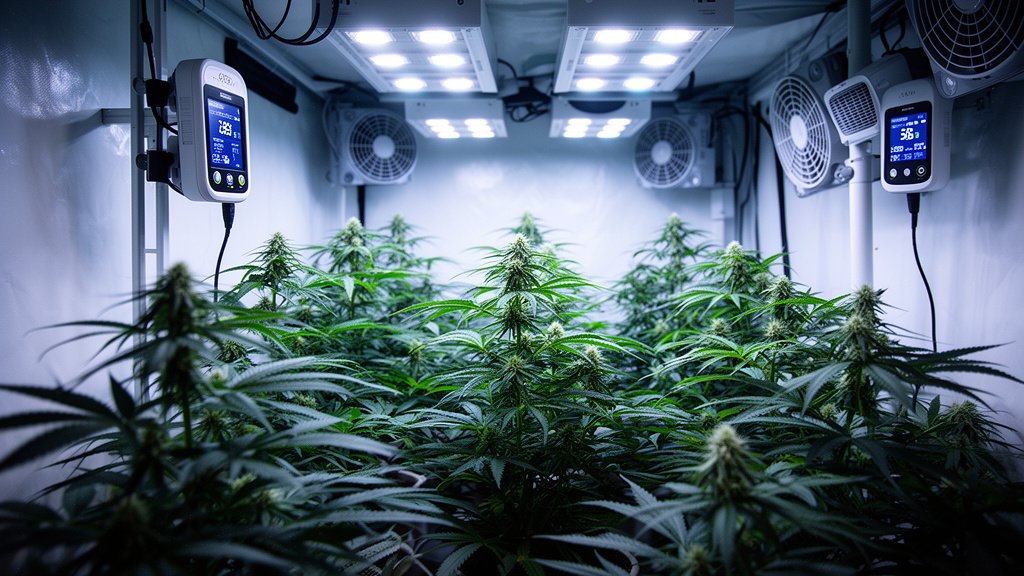
- Optimal Growing Conditions: The 2026 season saw favorable environmental factors, with consistent temperature regulation throughout the growing cycle, resulting in high-terpene profiles and robust yields.
- Market Contraction: Data from the Department of Cannabis Control (DCC) confirms a persistent decline in active cultivation licenses, as smaller operations exit the market in favor of consolidation.
- Wholesale Price Volatility: Despite the premium quality of the harvest, wholesale prices per pound remain pressured by a saturation of legacy supply and evolving distribution channels.
- Shift to Craft: The most resilient farms are pivoting away from bulk flower production toward boutique, high-end craft cannabis, prioritizing brand identity over pure volume.
The 2026 Harvest Paradox: Quality vs. Economics
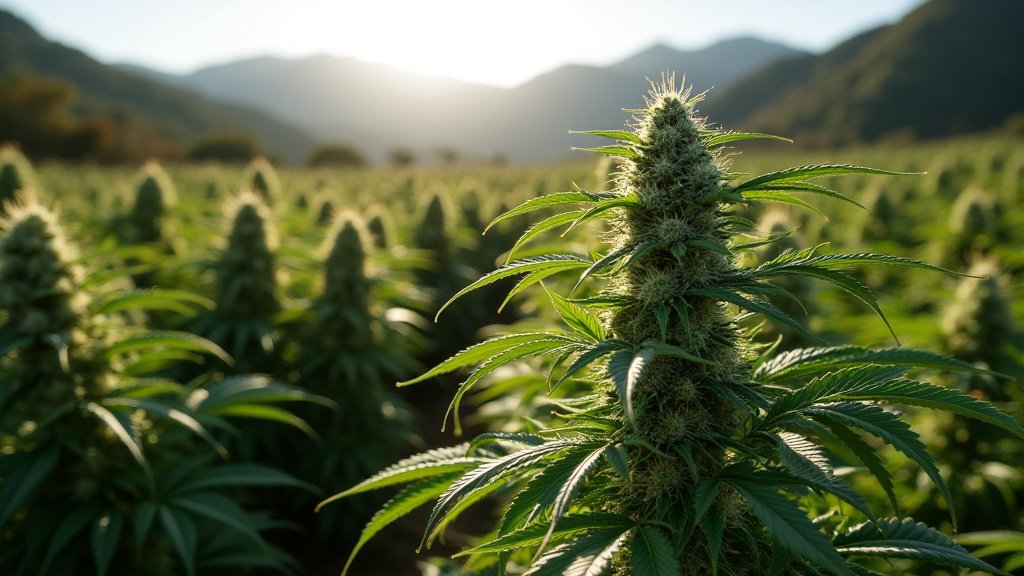
The 2026 Croptober harvest arrived with the promise of a bumper crop. From the rugged hills of Humboldt County to the valleys of Mendocino, the seasonal climate provided a textbook maturation environment. Plants reached peak resin production with minimal mold issues, a stark improvement over the humidity-plagued years that defined the early 2020s. However, for many California operators, this success feels like a pyrrhic victory. The abundance of supply, rather than driving profits, has highlighted the profound economic misalignment between the costs of licensed, compliant production and the current market equilibrium.
Favorable Weather, Unfavorable Margins
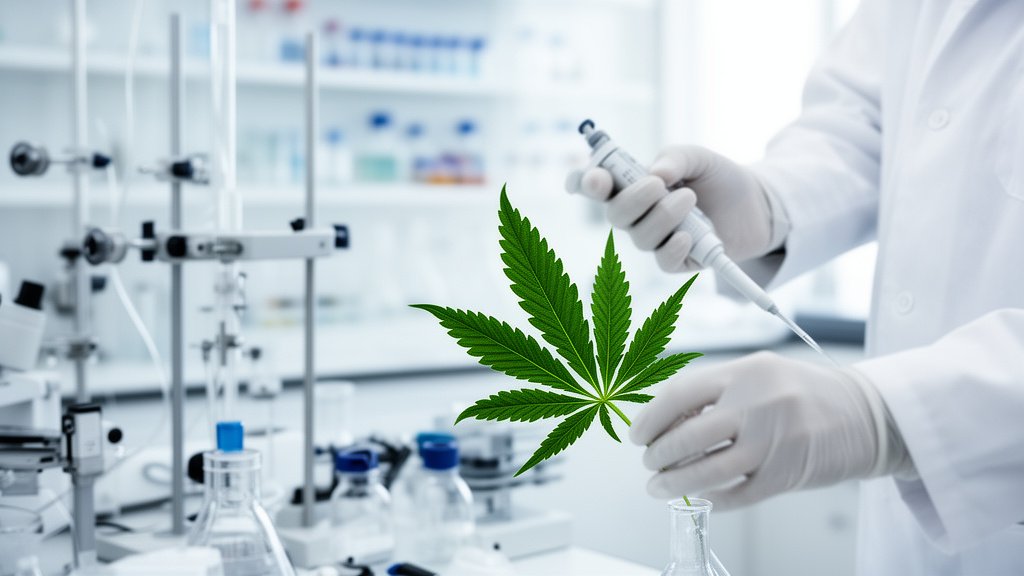
This year’s atmospheric conditions were a grower’s dream. The absence of severe late-summer heatwaves allowed the cannabis plants to fully express their genetic potential. Laboratory testing in early harvest batches is already showing record-setting cannabinoid and terpene percentages. Yet, in the boardrooms and on the farms, the mood is apprehensive. The cost of labor, water, and strictly enforced regulatory compliance continues to climb, while the wholesale market price per pound has failed to recover from its historic lows. Farmers who spent the last six months perfecting their crop are now looking at thin margins that barely cover the operational expenditures (OpEx) required to reach the drying rack.
The Shrinking Licensed Footprint
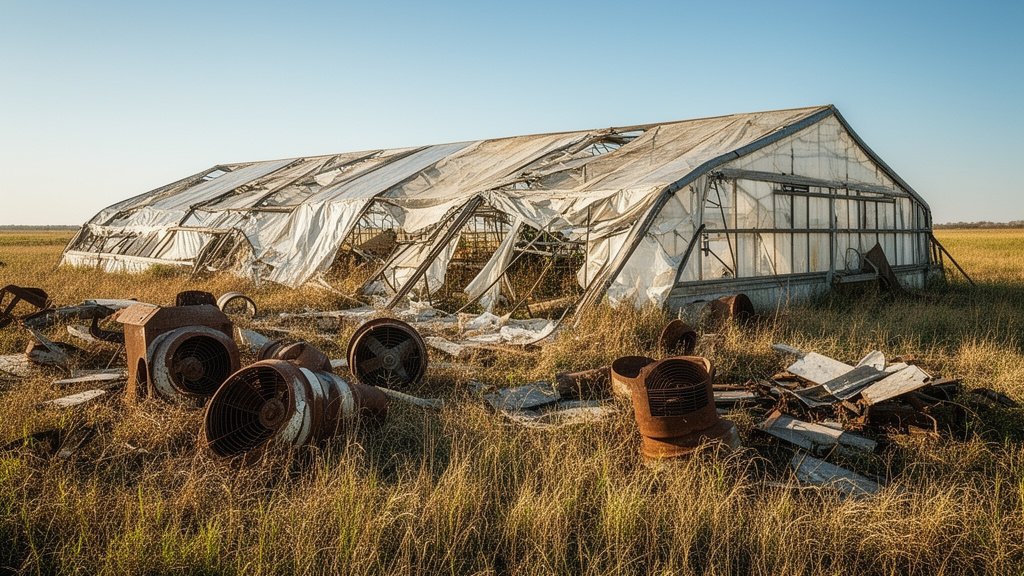
Perhaps the most significant metric of the 2026 season is the further contraction of the licensed cultivation footprint. This is not a sudden collapse but a slow, systematic reduction. Thousands of acres that were once dedicated to licensed canopy have effectively gone dark or reverted to non-commercial status. This consolidation trend, monitored by the Department of Cannabis Control (DCC), suggests a move toward an oligopolistic market structure. The farms surviving this contraction are typically those with deep capital reserves, vertically integrated supply chains, or hyper-specific niche brands that can command premium shelf space in dispensaries.
The Economic Reality of the Emerald Triangle
For decades, the Emerald Triangle has been the epicenter of global cannabis production. In 2026, the region is undergoing a painful transformation. The legacy of ‘quantity over quality’ that drove the boom years is being replaced by a brutal focus on unit economics. Farms that cannot optimize for high-yield efficiency while maintaining premium status are increasingly viewed as ‘zombie operations’—licensed, but functionally insolvent.
Wholesale Pricing Pressures
Wholesale market data indicates that while ‘A-grade’ flower maintains a price floor, the middle and lower tiers of the market are effectively collapsing. Buyers are increasingly selective, forcing cultivators to invest more heavily in post-harvest processing, curing, and lab verification. This creates a barrier to entry that excludes many legacy growers who lack the sophisticated marketing and distribution networks of larger, corporate-backed entities. The result is a widening gap between a handful of dominant market leaders and the thousands of small-scale farmers who formed the backbone of the industry.
The Pivot to Craft and Small-Batch
Amidst these pressures, a distinct survival strategy has emerged: the move toward ‘Craft Cannabis.’ Recognizing that they cannot compete with industrial-scale operations on price, some of California’s most storied legacy farms are focusing on unique, proprietary cultivars and sustainable, ‘sun-grown’ certifications that appeal to the conscientious consumer. This shift represents a transition from cannabis as a commodity crop to cannabis as an artisanal product, much like the wine industry. Whether this pivot will be enough to sustain these farms in the long term remains the central question of the 2026-2027 fiscal year.
Regulatory Landscape and Future Outlook
The regulatory environment remains the single greatest variable for California’s cannabis future. With the DCC continuing to refine its enforcement protocols, the ‘cost of doing business’ has never been higher. Farmers are navigating an intricate web of environmental regulations, water usage reporting, and track-and-trace requirements that demand significant administrative overhead. Looking ahead, industry analysts project that 2027 will be a year of stabilization, not necessarily of growth. If the state government does not implement meaningful tax relief or facilitate more robust interstate commerce agreements, the licensed cultivation footprint is expected to continue its downward trajectory. The 2026 harvest will be remembered not just for the quality of the bud, but as the moment the industry finally accepted that the ‘green rush’ of the previous decade is definitively over, replaced by a mature, albeit highly volatile, agricultural sector.
FAQ: People Also Ask
Q: Why are so many cannabis farms shutting down in California?
A: It is a combination of high regulatory costs, saturated market supply driving down wholesale prices, and heavy taxation. Many small farmers cannot achieve the economies of scale required to survive in the current legal market.
Q: What is ‘Croptober’ in the context of 2026?
A: ‘Croptober’ is the traditional time of year—late September through October—when outdoor cannabis crops are harvested in California. In 2026, it signifies the culmination of the growing season where market reality meets harvest yield.
Q: Is the Emerald Triangle still the center of cannabis production?
A: While it remains the historical and cultural heart of the industry, its dominance is being challenged by industrial-scale, indoor, and greenhouse operations in other parts of the state and the country, forcing the region to pivot toward high-end craft production to remain competitive.