Alabama Takes Major Step Towards Medical Cannabis Sales
The Alabama Medical Cannabis Commission (AMCC) has officially approved dispensary licenses. This marks a crucial milestone. The state’s medical marijuana program is now on track for a 2026 start. Patients could see legal cannabis products by spring 2026. This news comes after years of significant delays. Litigation and procedural hurdles had stalled progress. Commission Chairman Rex Vaughn called it a “pivotal day.” He noted the long wait for this moment. The AMCC voted unanimously on the licenses. This action clears a major obstacle. It paves the way for patient access.
Milestone Licenses Awarded
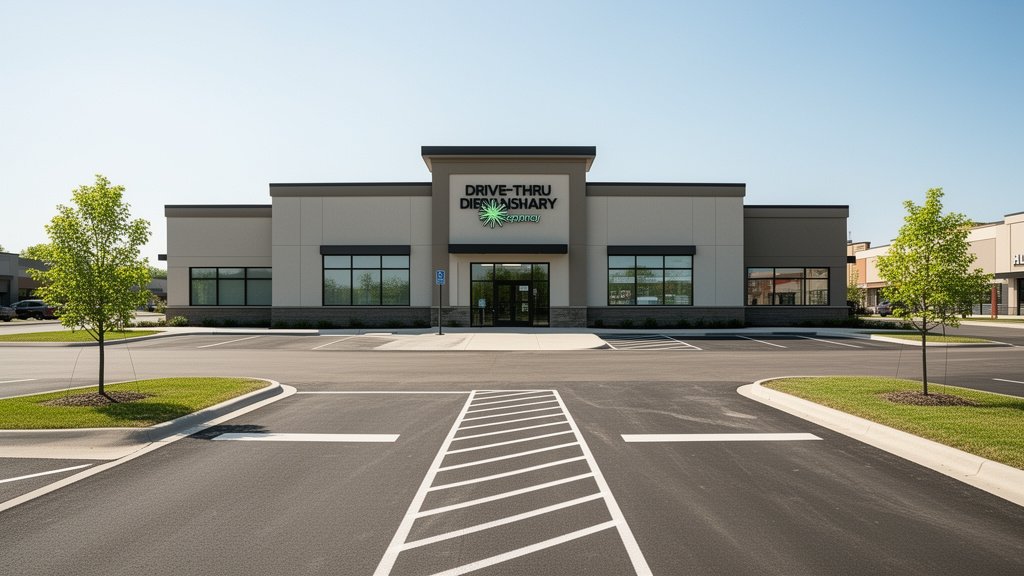
On December 11, 2025, the commission granted licenses to three companies. These include CCS of Alabama, RJK Holdings, and GP6 Wellness. Their licenses officially begin January 8, 2026. A fourth license for Yellowhammer Medical Dispensaries LLC was also approved. However, it faces a hearing on January 26, 2026. This means its activation will follow that date. Each approved company can eventually operate up to three retail locations. GP6 Wellness plans locations in Athens, Birmingham, and Attalla. CCS of Alabama will establish sites in Montgomery, Talladega, and Cullman. These initial approvals will help build the state’s cannabis infrastructure.
Years of Legal and Logistical Hurdles
Alabama legalized medical cannabis in 2021. The Darren Wesley ‘Ato’ Hall Compassion Act authorized the program. However, implementation faced numerous challenges. The AMCC’s initial license awards were withdrawn. This followed scoring disputes and legal challenges. Allegations of Open Meetings Act violations also arose. Several lawsuits stemmed from unsuccessful applicants. These legal battles significantly slowed the program. Companies invested heavily in equipment. However, they could not operate their cannabis facilities. Some pivoted to hemp-derived products. This situation created frustration for many. The long wait highlighted the difficulties in establishing new industries.
Pathway to Patient Access
With dispensary licenses now issued, the next steps are critical. Doctors must be certified to recommend medical cannabis. The Alabama Board of Medical Examiners has specific requirements. Physicians need training and board certification. They cannot recommend cannabis until the AMCC issues necessary business licenses. This includes cultivator, processor, transporter, and dispensary licenses. The patient registry will also be established. Commission Chairman Rex Vaughn expects product availability by spring 2026. This timeline depends on completing these final regulatory steps. The progress offers hope to patients seeking relief.
Market Landscape and Future Growth
The program aims to serve patients with qualifying conditions. Initially, only a limited number of dispensaries will operate. Each licensed company can open three stores. This brings the potential total to 12 dispensaries. However, the state also allows for five integrated “seed-to-sale” licenses. These companies can grow, process, and dispense cannabis. If awarded, these integrated licenses could increase the total dispensary sites to 37. The market is projected to be highly competitive. Limited licenses and a population over 5 million indicate strong demand. Industry analysts project sales could reach $270 million in 2026. The limited licensing structure raises concerns among some advocates. They worry about patient access and market monopolies. Advocates point to the high costs associated with licensing. They believe this could restrict competition.
Voices of Advocates and Industry
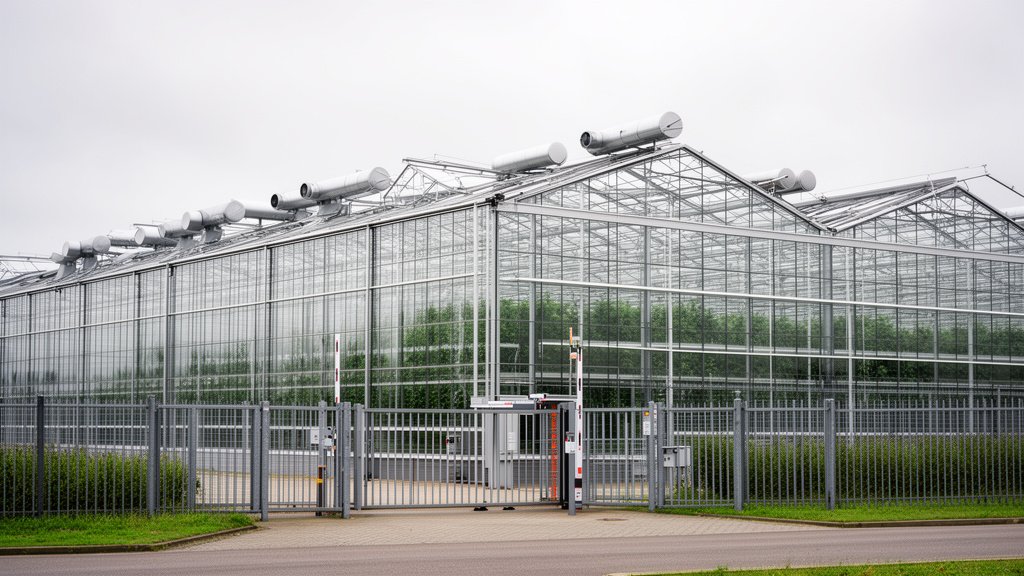
Patient advocates have long pushed for Alabama’s program. Amanda Taylor, a patient advocate, expressed elation. She highlighted the “cusp of having a working program.” However, groups like the Alabama Cannabis Coalition voiced criticism. Marty Schelper, the coalition’s founder, called the limited licenses an “abysmal excuse for access.” She stated the current structure creates a “legal medical cannabis cartel.” She fears this limits competition. It could push patients toward less safe black market alternatives. The coalition argues the current approach fails to meet patient needs. They are critical of the slow implementation. Licensed cultivators have already harvested product. They are now ready to supply processors. This ensures a supply chain is in place for when dispensaries open. The approved companies must pay licensing fees soon. These are due by year-end. This finalizes their path to operation.
Looking Ahead
The issuance of dispensary licenses is a landmark event. It signifies a major shift for Alabama. Years of legal battles and stalled progress appear to be ending. The state is now preparing to serve patients. The medical cannabis program will officially launch in 2026. Regulatory hurdles are still present. However, the path forward is clearer. This development is significant news for the state. It brings Alabama in line with most other U.S. states. Access to legal medical cannabis is now within reach. The focus now shifts to operational readiness and patient care.