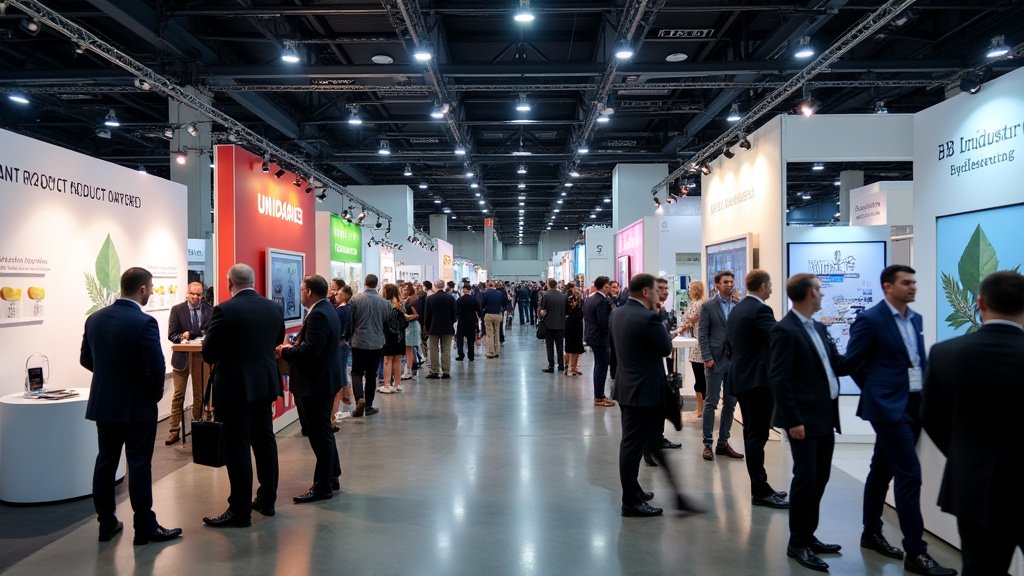
Industry leaders, policy architects, and financial stakeholders are set to converge in Boston on October 26, 2026, for the 10th Annual State of the Cannabis Industry Conference. This milestone event marks a decade of evolution for a sector that has transitioned from the fringes of the underground market to a sophisticated, multi-billion-dollar enterprise. As the industry faces its most pivotal regulatory juncture to date, this year’s conference is positioned not merely as a networking event, but as a crucial strategic summit to define the trajectory of American cannabis for the next decade.
Key Highlights
- A Decade of Progress: The event marks the 10th anniversary of the conference, reflecting on the rapid institutionalization of the cannabis market since its early days.
- Federal Strategy: Primary sessions will center on navigating the complexities of federal reclassification and its downstream effects on interstate commerce and business operations.
- Economic Realities: Financial experts will conduct deep-dive workshops on restructuring capital in a high-interest environment, moving beyond the ‘green rush’ era of easy credit.
- The Hall of Fame: The conference will debut the inaugural Cannabis Industry Hall of Fame, recognizing the pioneers, advocates, and business leaders who built the legal foundation for the current market.
Navigating the New Regulatory Landscape
The central theme of the 10th Annual State of the Cannabis Industry Conference in Boston is the unprecedented shift in federal policy. With the conversation around federal reclassification moving from theoretical debate to actionable regulatory processes, business leaders are scrambling to adjust their operational models. Attendees will gain direct access to legal experts and policy analysts who are currently monitoring the Federal Register and legislative activity in Washington D.C.
The Impact of Federal Reclassification
Reclassification represents the most significant hurdle and opportunity for the industry since its inception. For years, the interplay between state legalization and federal prohibition has stifled institutional investment and restricted banking services. The sessions in Boston will provide a granular look at how federal alignment—or the lack thereof—will impact the 280E tax code, which has historically been a massive financial burden on cannabis businesses. By hosting this summit in Boston, a city with a robust legal and academic infrastructure, organizers aim to bridge the gap between abstract policy proposals and concrete business compliance strategies.
Financial Restructuring and Market Maturation
Gone are the days of speculative growth without fiscal discipline. As the industry matures, capital allocation has become the primary differentiator between surviving and thriving entities. The conference will dedicate a full track to financial restructuring, specifically addressing how companies can clean up their balance sheets in anticipation of potential federal banking reforms. Experts from the venture capital and private equity sectors will discuss the shift from high-risk growth models to sustainable profitability, a necessary evolution for the industry to attract the institutional capital it has long sought but struggled to secure.
Celebrating a Decade of Innovation
Ten years is an eternity in the cannabis space. When this conference first launched, the landscape was fragmented, largely unregulated, and focused heavily on local advocacy. Today, it represents a global supply chain and an emerging agricultural commodity. To honor this history, the organizers are launching the inaugural Cannabis Industry Hall of Fame. This induction ceremony is intended to preserve the legacy of the individuals who risked prosecution and personal stability to pioneer the regulatory and agricultural frameworks that exist today.
The Hall of Fame Induction
This new initiative is designed to create a permanent record of industry milestones, moving the conversation from current stock prices back to the mission-driven roots of the movement. By highlighting those who fought for decriminalization and scientific research, the conference organizers hope to remind attendees that the current economic opportunity is built on a foundation of activism. The induction will feature diverse categories, ranging from legislative advocacy and scientific research to business leadership and social equity, ensuring that the ‘Hall of Fame’ reflects the multi-faceted nature of the industry.
Strategic Networking for a Global Market
Beyond the keynotes and panels, the Boston conference serves as the premier annual networking event for senior-level executives. As the industry globalizes, the necessity for a centralized, high-level meeting place has increased. This year, the conference has explicitly designed ‘Matchmaking Sessions’ to pair upstream agricultural technology startups with downstream distribution giants. The goal is to reduce the friction in the supply chain that has traditionally hampered the industry’s ability to compete with other agricultural sectors. By fostering these connections, the event ensures that the professionalization of the cannabis market continues to accelerate, moving closer to the standards set by established alcohol and pharmaceutical industries.
Secondary Considerations: Regional and Global Impact
While the conference is focused on national US policy, its ripple effects are felt globally. Boston, as a hub for both biotechnology and finance, provides the perfect backdrop for analyzing the medical potential of cannabinoids. The secondary angle of this conference involves a heavy focus on the ‘Med-Tech’ sector, with several panels dedicated to the synthesis of cannabinoid-based pharmaceuticals. Furthermore, the economic impact on the host city of Boston cannot be overstated; high-level professional conferences are key drivers of municipal tax revenue and hospitality growth. Finally, the conference addresses the often-overlooked ‘ESG’ (Environmental, Social, and Governance) requirements that are increasingly being mandated by the limited institutional investors currently involved in the space.
FAQ: People Also Ask
Who should attend the 10th Annual State of the Cannabis Industry Conference?
This conference is designed for senior executives, policymakers, investors, legal counsel, and cannabis business owners. It is a professional-grade summit, not a consumer-facing festival, focusing on B2B strategies and high-level regulatory analysis.
Why is Boston the chosen location for this 2026 event?
Boston offers a unique synergy of academic, legal, and financial sectors. Given the focus on federal reclassification and scientific research, the city’s infrastructure provides an ideal environment for the high-level policy discussions scheduled for October 26.
Will the Cannabis Industry Hall of Fame be an annual event?
Yes, the organizers have stated that the inaugural induction will set the precedent for an annual event, with plans to build a permanent archive of industry history.
How does federal reclassification affect my business operations?
Federal reclassification is expected to alter tax obligations (specifically regarding the 280E code), banking accessibility, and interstate commerce regulations. The conference will feature dedicated sessions to help business owners prepare their internal controls for these potential shifts.