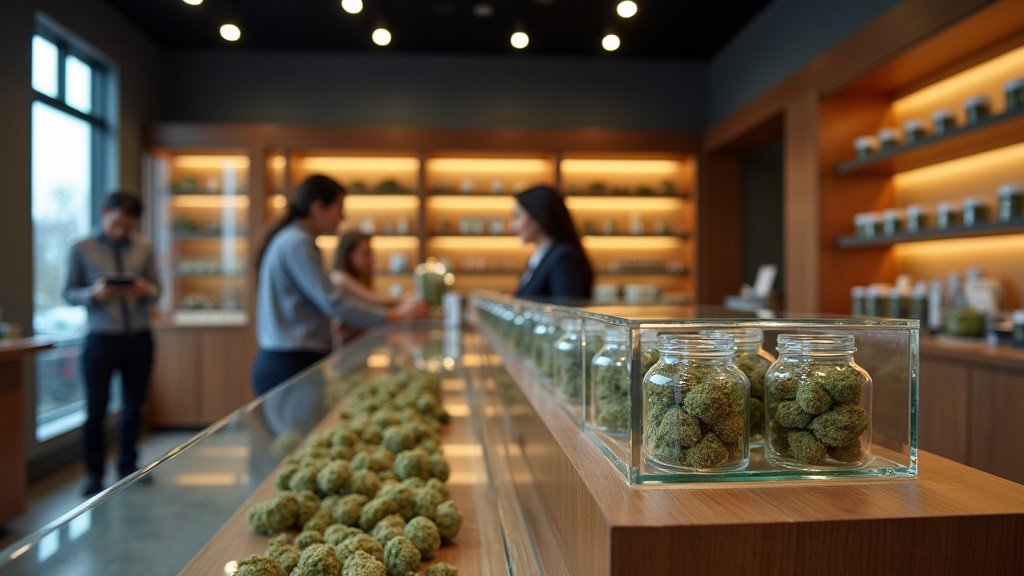
As the European cannabis landscape matures, the latest collaborative report from Newsweed and Testeur de CBD for October 2026 marks a pivotal turning point in the French CBD market. No longer defined solely by volume, the industry is pivoting toward specialized genetic phenotypes and rigorous, artisanal extraction techniques. This analysis highlights 10 specific strains and hash products from five leading French producers that exemplify this transition, offering a roadmap for both enthusiasts and industry analysts tracking the sophisticated evolution of cannabinoid profiles in France.
Key Highlights
- Phenotypic Complexity: A marked shift toward high-terpene profiles and stabilized genetic strains over high-CBD percentage metrics.
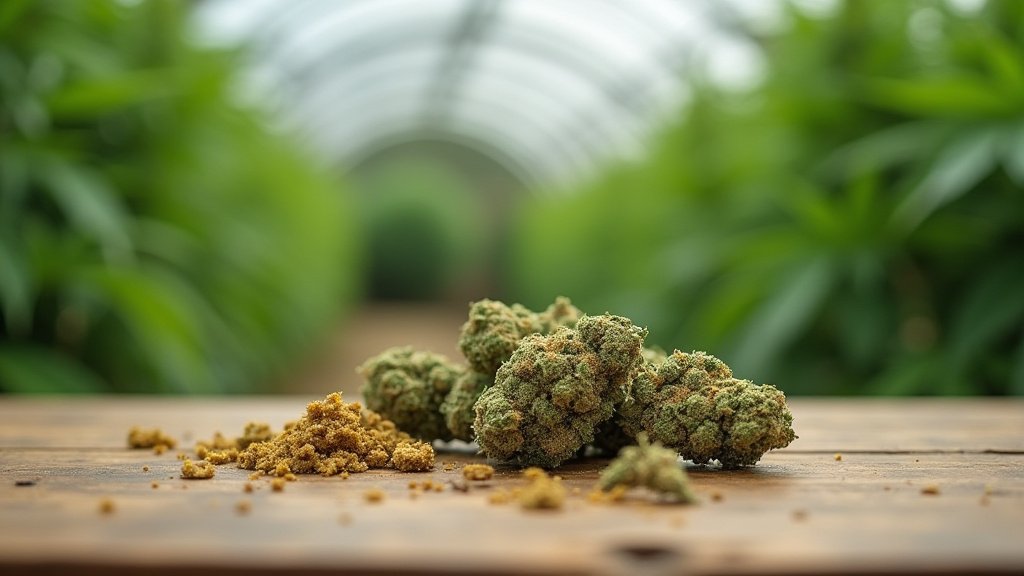
- Artisanal Extraction: Focus on solvent-less hash production methods, such as dry sift and static separation, gaining dominance among top-tier producers.
- Market Maturity: Increased consumer literacy regarding the ‘entourage effect’ is driving demand for broader, full-spectrum product integrity.
- French Excellence: The five featured producers are establishing France as a hub for boutique indoor and greenhouse cultivation.
The Genetic & Artisanal Renaissance in the French CBD Market
The October 2026 data provided by Newsweed and Testeur de CBD does not merely list products; it documents a fundamental shift in the French CBD market. For years, the market was flooded with generic, high-CBD, low-quality flower. However, this month’s findings indicate that domestic producers are now prioritizing botanical nuance. We are seeing a move away from industrial biomass toward ‘craft’ production, where the specific genetic lineage—terpene retention, trichome health, and curing precision—has become the gold standard.
The Shift Toward Complex Phenotypes
The report underscores a crucial trend: the decline of ‘percentage chasing.’ Historically, consumers equated high CBD percentages with quality. The 2026 October data reveals that the 10 highlighted strains favor ‘terpene-forward’ genetics. Producers are selecting phenotypes that mimic the complex aromatic profiles of traditional cannabis varieties while remaining strictly within the legal THC limit of the European Union. This suggests that the French consumer is evolving into a connoisseur who values the ‘entourage effect’—the synergy of cannabinoids and terpenes—over crude potency metrics. This shift forces cultivators to invest in more expensive, labor-intensive curing processes to protect volatile terpenes from degradation.
Spotlight: 5 French Producers Redefining Extraction
Central to the October 2026 highlights are five specific French producers who are disrupting the hash market. The report details how these producers have moved beyond simple mechanical pressing to sophisticated artisanal extraction.
1. Static Sift Innovation: Producers are utilizing static electricity separation to isolate the highest-quality trichome heads, resulting in hash products with a purity and texture previously unseen in the legal French market.
2. Low-Temperature Pressing: By maintaining strict temperature controls during extraction, these producers ensure the preservation of rare cannabinoids and delicate aromatic compounds that are typically lost during industrial heat-press methods.
3. Curing Artistry: The report identifies that these top-tier producers are now ‘curing’ their hash in climate-controlled environments for 30 to 60 days, enhancing the plasticity and oxidative stability of the final product.
The 10 Strains Shaping the Autumn Landscape
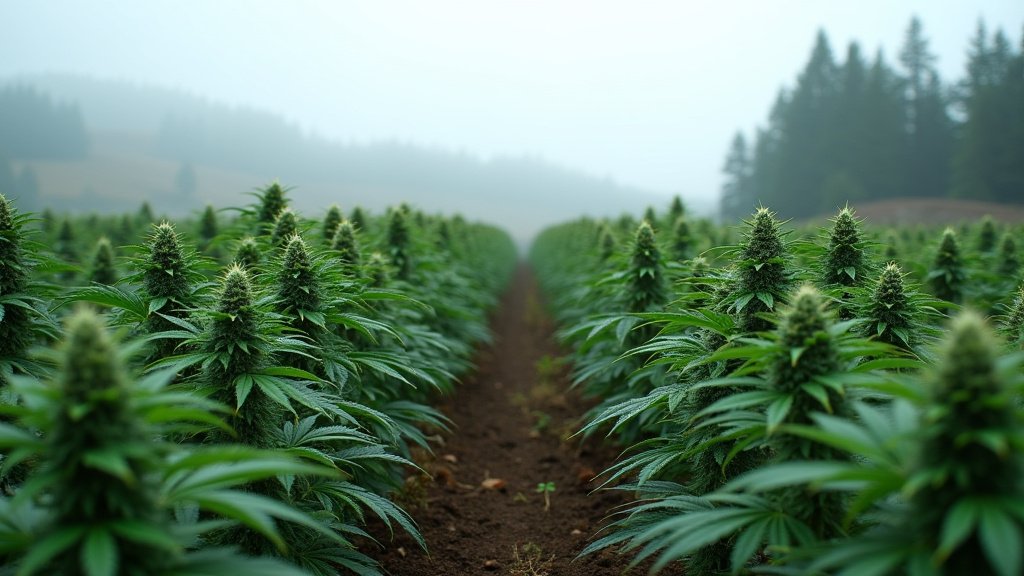
While the market sees hundreds of releases, the 10 strains curated by Newsweed and Testeur de CBD represent the apex of 2026 cultivation. These selections demonstrate a mastery of light-deprivation techniques and nutrient management. The strains are characterized by dense, frost-covered calyxes and a complex aromatic palate ranging from gassy, fuel-like notes to sweet, citrus-forward profiles. This curated selection serves as a benchmark for what is possible in the French greenhouse sector, proving that high-end cultivation is no longer restricted to indoor facilities.
Economic and Regulatory Context
The economic implications of this shift are significant. By focusing on artisanal quality, French producers are justifying premium price points, allowing them to compete with cheaper imports from neighboring regions. This ‘premiumization’ of the market acts as a barrier to entry for low-quality biomass imports. Furthermore, this evolution is supported by a more stable regulatory environment, where authorities are increasingly able to distinguish between low-quality, industrial hemp flower and high-quality, craft CBD products. As France solidifies its reputation for ‘terroir’-driven CBD production, these 10 strains will likely define the retail landscape for the upcoming winter season.
FAQ: People Also Ask
What are the primary factors driving the ‘premiumization’ of the French CBD market?
Increased consumer education is the primary driver. As consumers learn more about the entourage effect, they are demanding higher quality genetics and safer, solvent-free extraction methods rather than just high CBD numbers.
What does ‘artisanal extraction’ mean in the context of the October 2026 report?
It refers to non-industrial methods of hash production. Specifically, the use of static sifting to isolate trichomes and low-temperature pressing to preserve terpenes, rather than using solvents or heat that can degrade the product’s chemical integrity.
Why is the shift toward specific genetic phenotypes important for French growers?
It allows domestic producers to differentiate their products from mass-market imports. By focusing on unique terpene profiles, French growers can secure higher retail price points and build brand loyalty among a sophisticated consumer base.
How does this report influence the future of French CBD regulation?
By highlighting the industry’s focus on quality and safety, the report provides a strong argument to regulators that the French CBD market is capable of self-regulation and standard-setting, which may help in standardizing future legislative frameworks.