California Mandates Sweeping Environmental Upgrades for Cannabis Cultivators
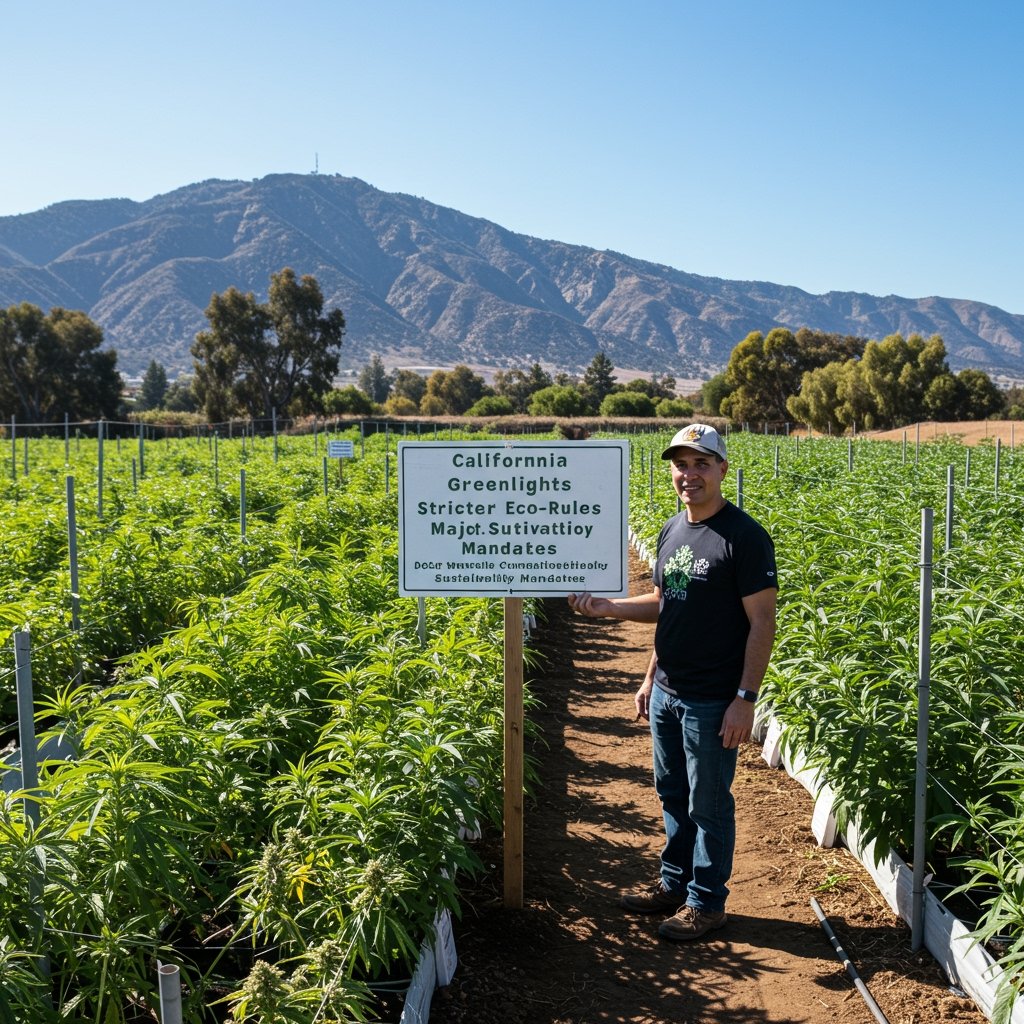
Sacramento, CA – In a significant regulatory update addressing the environmental footprint of its licensed cannabis industry, California’s Department of Cannabis Control (DCC) formally released comprehensive new cultivation guidelines on June 7, 2025. These updated rules introduce stricter requirements specifically targeting water usage limits and mandating the adoption of energy-efficient lighting systems for all licensed indoor and mixed-light facilities across the state. The regulations are set to become effective on January 1, 2026, providing cultivators with a defined timeline to achieve compliance.
The announcement represents a critical step in California’s ongoing effort to reconcile the economic benefits of the legal cannabis market with its ambitious environmental goals. For years, concerns have been raised about the considerable resources consumed by cannabis cultivation, particularly operations that rely heavily on artificial lighting and controlled indoor environments. The DCC stated that the decision to implement these stricter rules is based on data demonstrating that current practices consume significant quantities of water and energy, posing a challenge to the state’s sustainability objectives, especially in the face of persistent drought conditions and strain on the energy grid.
The Core of the New Regulations: Water Conservation and Energy Efficiency
The updated guidelines are designed to drive fundamental changes in how cannabis is grown in California, focusing primarily on reducing the environmental impact associated with its two most resource-intensive inputs: water and energy.
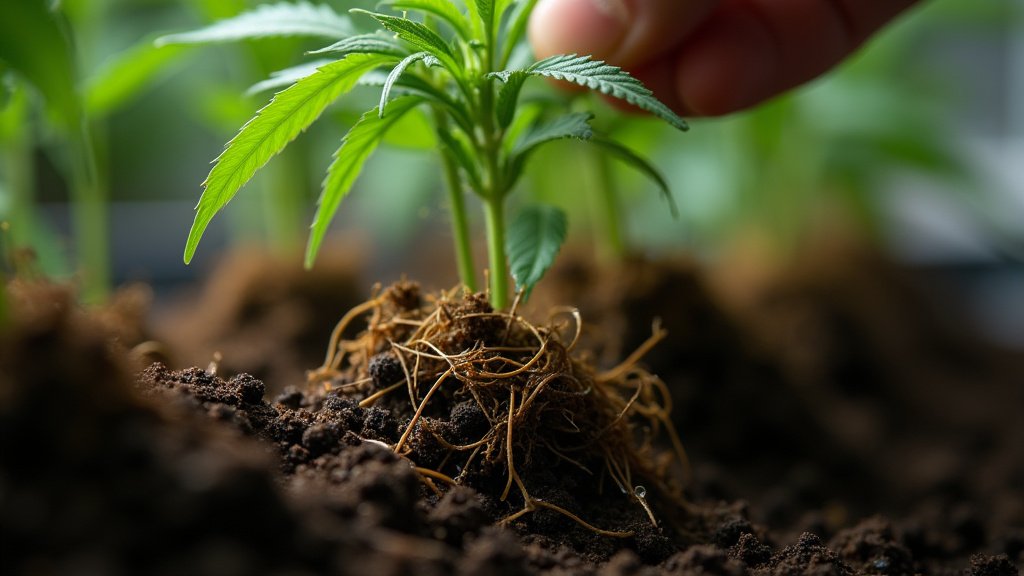
For water, the DCC has established new, lower limits on the volume of water licensed cultivators are permitted to use. These limits may be calculated based on various factors, such as the square footage of the cultivation canopy or projected yield, depending on the specific license type and environmental factors. The intent is to move cultivators away from less efficient watering methods and encourage the widespread implementation of water-saving techniques. This includes promoting advanced irrigation systems like drip irrigation, which delivers water directly to plant roots with minimal waste, and mandating the installation and use of water recapture and recycling systems. These systems can collect and treat runoff water from irrigation, rainwater, and even HVAC condensate for reuse, drastically reducing reliance on external water sources.
The most significant change for many indoor and mixed-light cultivators involves lighting. Recognizing that artificial lighting is often the single largest consumer of energy in these facilities, the DCC’s new rules mandate the transition to more energy-efficient lighting technology. Specifically, cultivators are required to phase out older, less efficient lighting systems, such as traditional high-intensity discharge (HID) lamps, in favor of modern, energy-saving alternatives like Light Emitting Diode (LED) systems. LEDs consume significantly less electricity to produce comparable or superior light spectrums for plant growth and generate less heat, further reducing energy demand for cooling. This mandate applies specifically to licensed indoor and mixed-light cultivation facilities, as these operations have the highest energy demands associated with lighting.
Preparing for 2026: Industry Response and Required Investment
The implementation of these new regulations is anticipated to require substantial investment from licensed cannabis cultivators throughout California. The January 1, 2026, effective date means businesses must undertake significant infrastructure upgrades within a relatively tight timeframe. Replacing thousands of lighting fixtures across large indoor facilities or installing complex water treatment and recycling systems represents considerable capital expenditure for operators of all sizes.
Industry consultants are actively advising their clients on navigating the path to compliance. Firms such as GreenGrowth Solutions have highlighted the necessity of conducting comprehensive energy and water audits to accurately assess current consumption patterns and identify the most impactful areas for upgrades. They emphasize that investing in state-of-the-art LED technology and advanced water recapture systems is no longer optional but a mandatory step for continued licensure.
While the initial financial burden is undeniable, consultants and industry experts are quick to point out the potential for significant long-term operational savings. Highly efficient LED lighting dramatically lowers electricity bills, often the single largest operating expense for indoor growers. Similarly, water recycling reduces water costs and provides a more reliable supply, crucial in drought-prone California. While the payback period on these investments will vary, the potential for reduced utility costs can improve long-term profitability and operational resilience.
The transition also requires more than just capital. It necessitates a potential restructuring of cultivation practices and could require workforce training to operate and maintain new, sophisticated equipment like advanced irrigation controllers and water treatment systems. Furthermore, the widespread demand for compliant technology could place a strain on supply chains, potentially leading to increased costs or delays for cultivators seeking to meet the deadline.
Aligning with National Standards and the Future of Sustainable Cannabis
Experts within and outside the cannabis industry acknowledge that these updated California guidelines align the state’s market with emerging national and international sustainability standards in agriculture. As legal cannabis markets mature across the United States and globally, there is increasing pressure and regulatory movement towards reducing their environmental footprint. California, as the largest legal market, is setting a precedent that may influence regulations elsewhere.
By adopting stringent standards for energy and water, California is integrating its cannabis industry into broader trends seen in other high-value agricultural sectors, particularly Controlled Environment Agriculture (CEA) used for food production, which has also seen a rapid shift towards energy efficiency and water conservation. This move not only helps California meet its environmental targets but may also enhance the industry’s legitimacy and public perception by demonstrating a commitment to responsible resource management.
The long-term vision behind the DCC’s regulations is clear: fostering a cannabis industry that is economically robust and environmentally sustainable. While the transition period leading up to the January 1, 2026, deadline will undoubtedly present challenges, these updated guidelines represent a critical evolutionary step for California cannabis cultivation, pushing it towards greater efficiency and environmental stewardship and positioning the state as a potential leader in sustainable cannabis practices.