Cultivation Revolution: Precision, Sustainability, and Automation Take Root
The cannabis industry is on the cusp of a significant evolution in 2026, driven by advancements in cultivation techniques and a heightened focus on consumer experience. Leading this charge are innovations in precision agriculture, a robust commitment to water efficiency and sustainable management, and the increasing integration of automation throughout the cultivation process. These trends are not merely incremental improvements; they represent a fundamental shift towards optimizing every aspect of growth for greater yield, quality, and environmental responsibility.
Advanced Growing Substrates and Precision Agriculture
The quest for optimal plant health and maximum yield is leading cultivators towards sophisticated growing substrates and precision agriculture techniques. Innovative materials like coco coir, which offers a balanced water-to-air ratio, and rockwool, prized for its consistency and inert nature, are becoming industry standards.
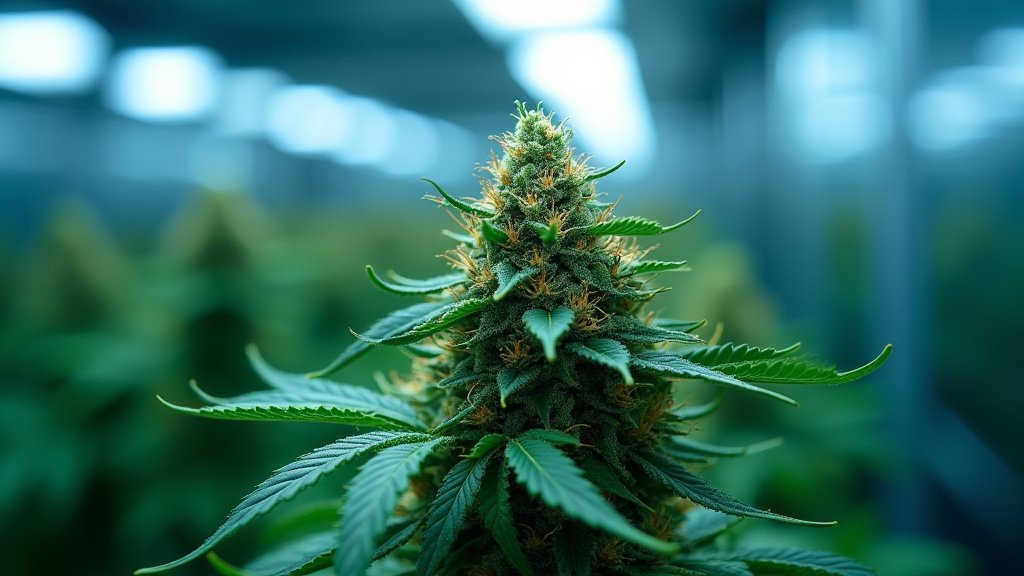
Precision agriculture, which leverages technology and data analysis to fine-tune crop production, is at the forefront of this transformation. By utilizing sensors, drones, and AI-driven systems, growers can monitor soil health, plant growth, and environmental conditions in real-time. This data-driven approach enables informed decisions regarding seed selection, planting, fertilization, and pest management, ultimately leading to increased yields, reduced costs, and improved plant quality and consistency.
Enhanced Grow Lighting Systems
The science of light is also being refined for cannabis cultivation. Advanced LED grow lights are increasingly favored for their energy efficiency and ability to deliver specific light spectrums crucial for different growth stages. These systems can mimic natural sunlight and provide tailored light wavelengths, such as red and far-red light, which are known to boost photosynthesis and enhance cannabinoid and terpene production. Mixed lighting setups, combining LEDs with other sources like HPS lights, are also gaining traction, offering a dynamic approach to optimize each growth phase. Precision control over PAR (Photosynthetically Active Radiation), PPF (Photosynthetic Photon Flux), and PPFD (Photosynthetic Photon Flux Density) ensures that plants receive the exact light intensity and spectrum they need for maximum growth and potency.
Water Efficiency and Sustainable Management
With growing concerns about water scarcity, sustainable water management practices are becoming paramount in cannabis cultivation. Drip irrigation systems, which deliver water directly to the root zone, significantly reduce evaporation and runoff. Smart irrigation systems, utilizing sensors and weather data, further optimize water delivery to ensure plants receive the precise amount needed. Water recycling and reuse systems, along with techniques like mulching and capturing condensation, are also being implemented to minimize water footprints.
Precision Feeding and Automation
The integration of automation is revolutionizing cannabis cultivation by minimizing labor, maximizing consistency, and providing data-driven insights. Automated fertigation systems, which combine fertilization and irrigation, deliver precise nutrient solutions directly to the root zone. These systems use sensors to monitor moisture levels, electrical conductivity (EC), and pH, allowing for real-time adjustments to nutrient delivery. This precision in feeding ensures optimal nutrient uptake, reduces waste, and contributes to higher yields and better crop consistency. Automation extends beyond irrigation and feeding, encompassing tasks such as lighting control, climate management, harvesting, and even drying and curing processes.
Consumer Experience Revolution: Normalization, Innovation, and Wellness Integration
On the consumer front, 2026 is marked by the increasing normalization of cannabis into mainstream lifestyle conversations, alongside significant innovations in product formulation and a growing demand for wellness-integrated options.
The Cultural Shift: Mainstream Embrace
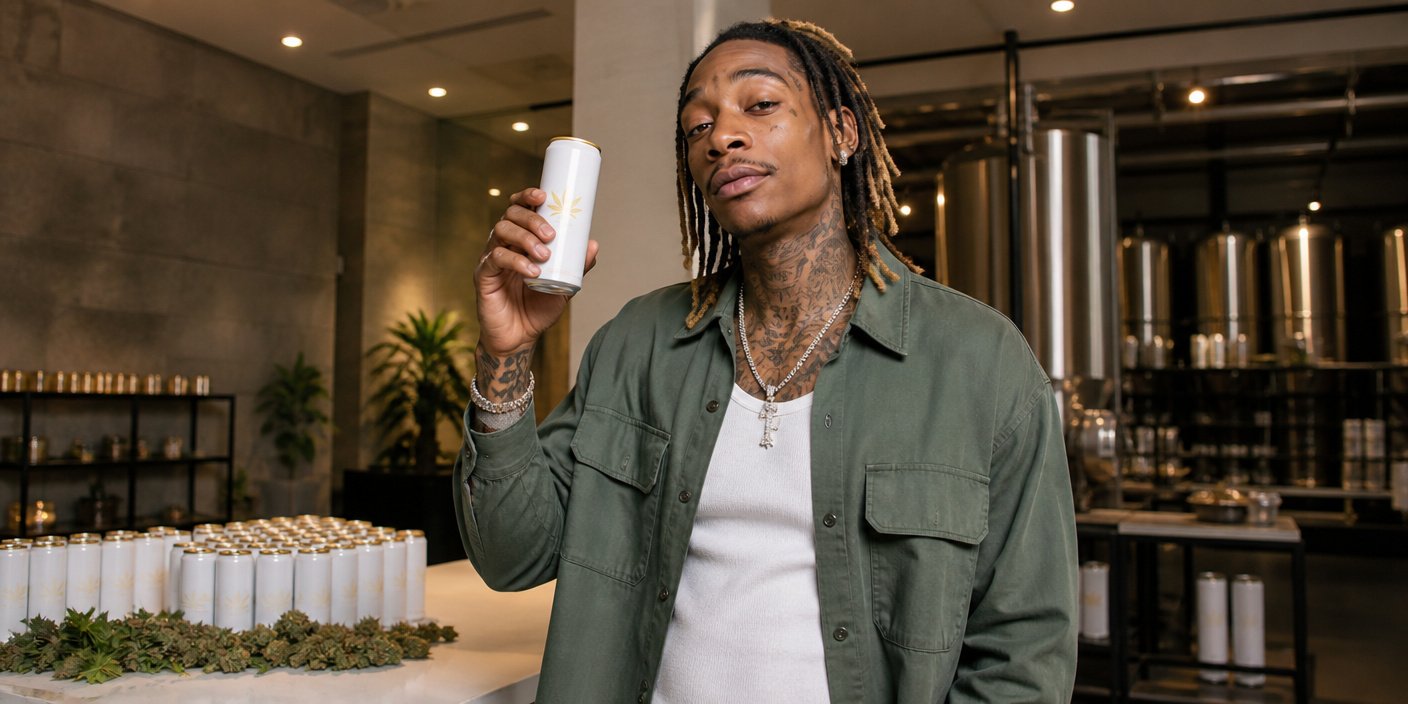
Cannabis is shedding its counter-culture image and moving into the mainstream, finding a place in music festivals, wellness conventions, and creative spaces. This cultural integration is fostering broader acceptance and opening doors for a wider demographic of consumers seeking the plant’s benefits for relaxation, creativity, and overall well-being.
Smarter Edibles and Faster Onset
The edible market is experiencing a revolution driven by nanoemulsion technology. This science breaks down cannabis oil into microscopic, water-soluble droplets, allowing for significantly faster absorption and onset of effects—often within 15-30 minutes, compared to the 30-90 minutes typical for traditional edibles. Nanoemulsions also offer more consistent dosing and predictable experiences, addressing common consumer frustrations with variability. Formulations are also evolving to include functional snacks and low-sugar options, catering to a health-conscious consumer base.
Rare Cannabinoids and Targeted Formulas
Beyond THC and CBD, rare cannabinoids like CBN, THCV, and CBG are gaining prominence, being incorporated into specialized formulas designed for specific wellness goals such as sleep, focus, and appetite balance. This trend reflects a growing consumer interest in the nuanced therapeutic potential of the cannabis plant.
Boutique Dispensary Experiences
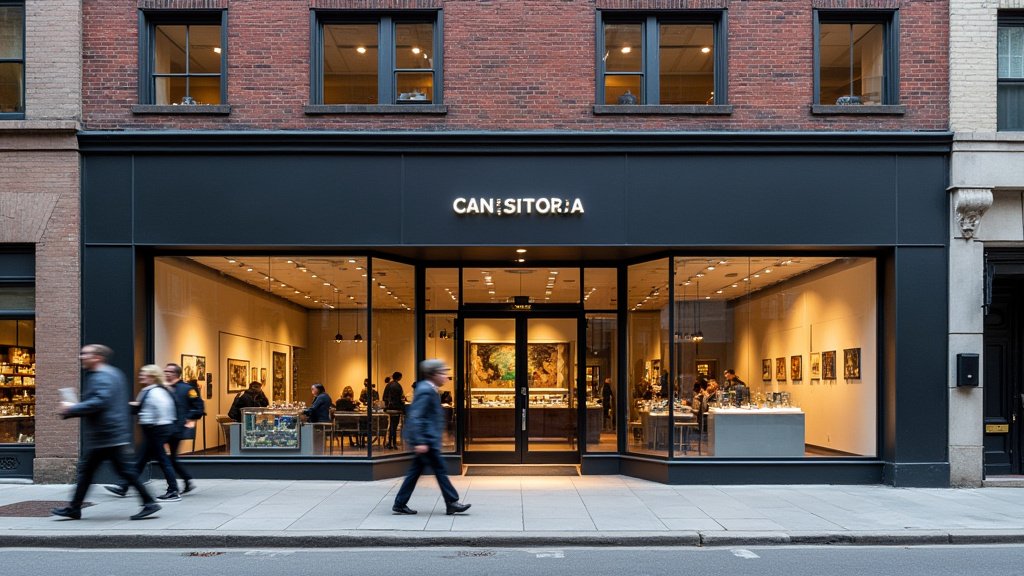
Dispensaries are transforming into curated, boutique-style destinations, offering more than just product sales. Features like product sampling bars and educational events are becoming commonplace, creating environments where learning, wellness, and product discovery converge. This shift aims to enhance the consumer journey, making it more informative and engaging.
Microdosing and Low-Dose Formats
Microdosing is finding a larger audience as consumers seek subtle, functional benefits without intense psychoactive effects. Low-dose products, typically ranging from 1-5mg of THC per serving, are ideal for daily use and offer gentle mood enhancement, stress relief, and improved focus. This trend caters to beginners and those who prefer a more controlled and less overwhelming cannabis experience.
The Rise of Luxury Cannabis and Hybrid Experiences
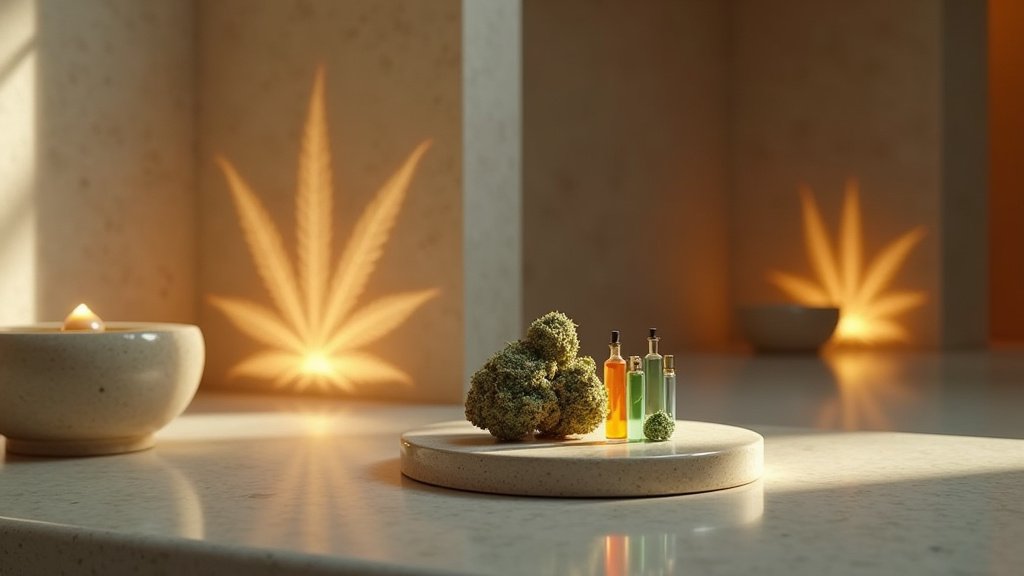
The luxury cannabis market is expanding, driven by an emphasis on health benefits, exclusivity, and artisanal quality. Premium concentrates and meticulously crafted edibles, featuring rare strains and sustainable practices, cater to discerning tastes. Simultaneously, hybrid experiences are emerging, blending cannabis with functional wellness ingredients like adaptogens and nootropics for targeted daily use.
Diverse Alternative Formats
Consumers are increasingly seeking alternative consumption methods beyond traditional smoking. Gummies, sublingual sprays, beverages, and topicals are experiencing rapid growth, offering convenience, discretion, and varied onset times and effects.