The cannabis industry is navigating a dynamic landscape in 2025, with a significant surge in the popularity of cannabis-infused beverages leading the charge in edible product growth. This trend is paralleled by advancements in fast-acting technologies, a growing consumer focus on wellness and sustainability, and the burgeoning market of cannabis tourism, signaling a maturing and diversifying industry.
The Ascent of Cannabis Beverages
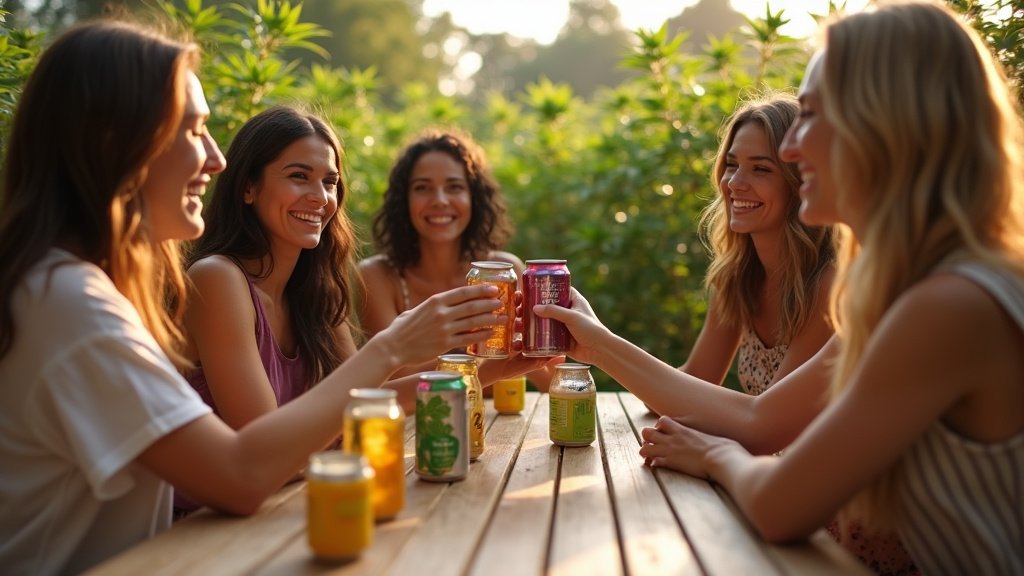
Cannabis-infused drinks are no longer a niche offering; they are rapidly becoming a mainstream choice, capturing an increasing share of the edibles market. While beverages currently represent about 1% of all legal cannabis sales, they constitute a significant 6% of the edible category, demonstrating potent growth. This segment saw a notable 15% increase in sales in the first quarter of 2025 compared to the previous year. Varieties such as sparkling THC seltzers, iced teas, lemonades, coffees, and functional wellness elixirs infused with adaptogens and CBD are leading this expansion. The appeal lies in their smoke-free consumption, precise dosing capabilities, and social acceptability as an alternative to alcohol, aligning with the growing sober-curious lifestyle and demand for “better-for-you” products. Major beverage companies and established alcohol brands are increasingly entering the space, expanding product availability across retail channels.
Fast-Acting Edibles: A Technological Leap
A pivotal innovation transforming the edibles sector in 2025 is the development of fast-acting formulations. Leveraging advanced nano-emulsification technology, manufacturers are creating products that deliver effects in as little as 10 to 15 minutes, a stark contrast to the traditional 1-2 hour onset time of conventional edibles. This technology breaks down cannabinoids into smaller, water-soluble particles, allowing for quicker absorption into the bloodstream and a more predictable, controllable experience. Consumers are proving willing to pay a premium for these speedier results, with fast-acting gummies outperforming traditional edibles significantly in sales per SKU and commanding higher shelf space. This advancement is crucial for both recreational users seeking immediate gratification and medical patients requiring timely symptom relief.
Sustainability and Consumer Preferences Take Center Stage
As environmental consciousness grows, sustainability is no longer an option but a necessity for cannabis brands. Over 72% of consumers now prefer eco-friendly packaging, prompting a significant shift away from plastics towards more sustainable materials like aluminum, tin, biodegradable hemp-based plastics, and compostable pouches. Brands are prioritizing recyclable, reusable, and minimalist designs to appeal to a greener consumer base. Beyond packaging, there is a growing emphasis on responsible sourcing and organic cultivation practices to reduce the industry’s environmental footprint.
Expanding Horizons: Cannabis Tourism and Evolving Regulations
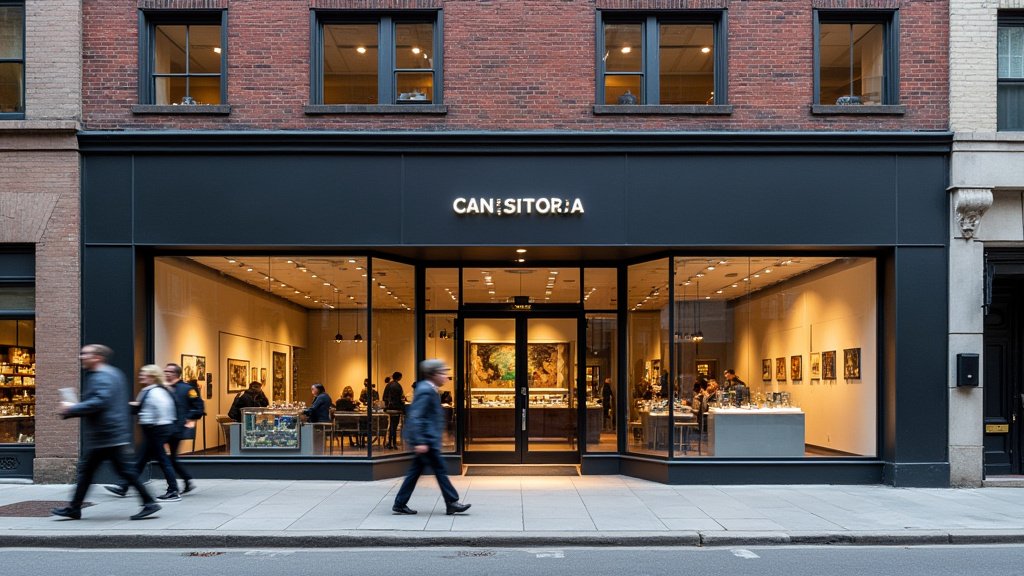
Cannabis tourism is emerging as a significant growth area within the travel industry. The market is projected to reach $23.73 billion by 2030, driven by increasing legalization and a demand for unique cannabis-centric experiences. Travelers are seeking out specialized tours, cannabis-friendly lounges, cafes, and wellness retreats that integrate cannabis culture. Demographically, the 25-44 age group is leading this trend.
Meanwhile, the regulatory and tax landscape continues to be a complex factor. Discussions around amending Section 280E of the Internal Revenue Code to ease tax burdens for cannabis businesses are ongoing, but challenges persist with current IRS audits and tax court rulings. The potential rescheduling of cannabis from Schedule I to Schedule III remains a subject of debate, with implications for research, banking, and tax relief, though legislative hurdles are significant. State-level regulations, particularly concerning intoxicating hemp-derived beverages, also continue to shape market dynamics.
Conclusion
The cannabis industry in 2025 is characterized by robust innovation and evolving consumer preferences. The ascendancy of cannabis beverages, the technological leap in fast-acting edibles, the critical focus on sustainability, and the growth of cannabis tourism all point towards a dynamic and expanding market. As the industry matures, businesses that prioritize product innovation, consumer wellness, environmental responsibility, and adaptable compliance strategies are best positioned for sustained success in this trending sector of the lifestyle market.