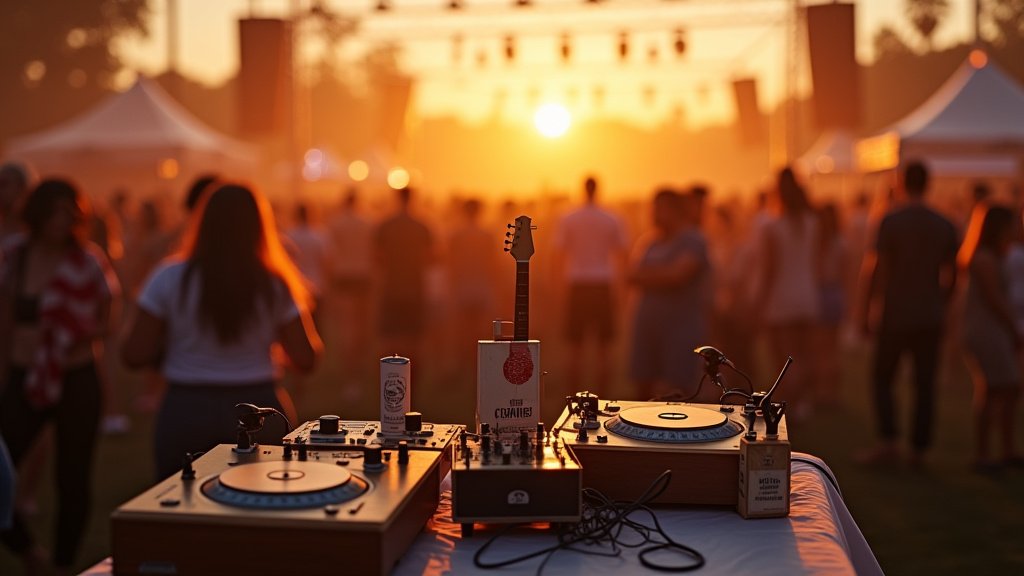
The legalization of cannabis has profoundly reshaped the music industry in 2026, fostering a more creative, collaborative, and financially robust environment for artists and fans alike. From altered studio sessions to new revenue streams, the plant’s presence is now deeply interwoven with the sound and business of music.
Key Highlights:
- Enhanced Creative Processes: Many artists report cannabis use improves focus, creativity, and emotional depth in songwriting and performance.
- New Economic Opportunities: The cannabis industry has opened up lucrative avenues for artists through endorsements, branded products, and direct sales.
- Evolving Fan Culture: Legal cannabis has normalized its presence at concerts and festivals, contributing to a more relaxed and communal fan experience.
- Regulatory Landscapes: Navigating the patchwork of state-by-state regulations remains a key challenge for artists and businesses.
- Industry Integration: Major music events and platforms are increasingly partnering with cannabis brands, signaling mainstream acceptance.
The Symbiotic Rise: Cannabis and Contemporary Music
The year 2026 marks a significant turning point where the narrative around cannabis and music has shifted from underground association to mainstream integration. As more states embrace legalization, the economic and cultural impacts on the music industry are undeniable. Artists are finding new ways to express themselves and generate income, while fans are experiencing music in new, often more relaxed, social settings. This evolving relationship is not without its complexities, but the trend points towards a future where cannabis is an accepted, and even celebrated, component of the music ecosystem.
The Creative Catalyst
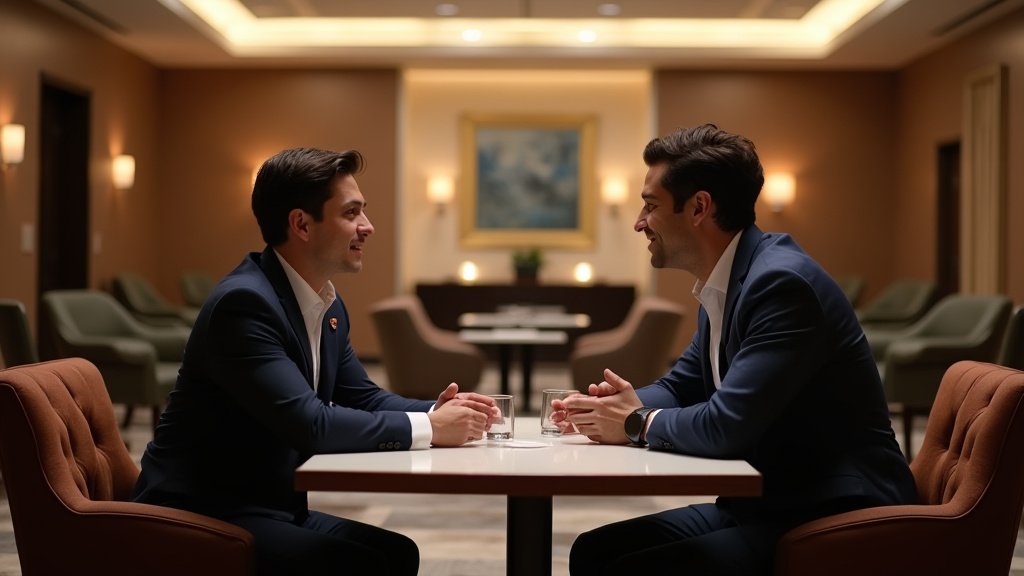
Many musicians and producers have long cited cannabis as a tool for unlocking creative potential. In 2026, this perception is more pronounced than ever. Anecdotal evidence and artist interviews frequently highlight how cannabis can lower inhibitions, foster divergent thinking, and deepen emotional connections to the creative process. This has led to a reported surge in innovative sounds, lyrical introspection, and experimental compositions across various genres. Studios are often described as more relaxed, collaborative spaces where ideas flow freely, unburdened by the stigma that once surrounded cannabis use in professional settings. This shift has, in turn, influenced music production techniques and aesthetic choices, pushing artistic boundaries.
New Avenues for Artists: Beyond the Stage
The legalization wave has presented a fertile ground for artists to diversify their income streams. Beyond traditional music sales and touring, many are now venturing into the cannabis market. This includes launching their own cannabis brands, partnering with dispensaries for exclusive product lines, and engaging in high-profile endorsements with cannabis companies. For artists, these ventures offer a significant new revenue stream, providing greater financial stability and independence. This economic empowerment allows artists to invest more in their music, experiment with their art, and reduce reliance on often unpredictable music industry gatekeepers. Websites and platforms dedicated to cannabis-infused music experiences and artist collaborations are also emerging, further solidifying this lucrative intersection.
Fan Experience and Cultural Norms
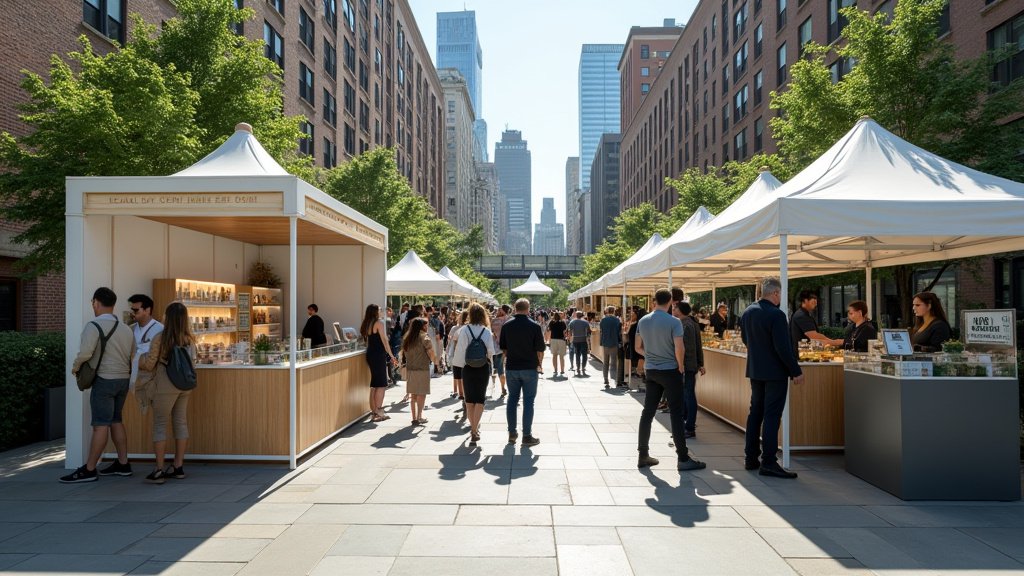
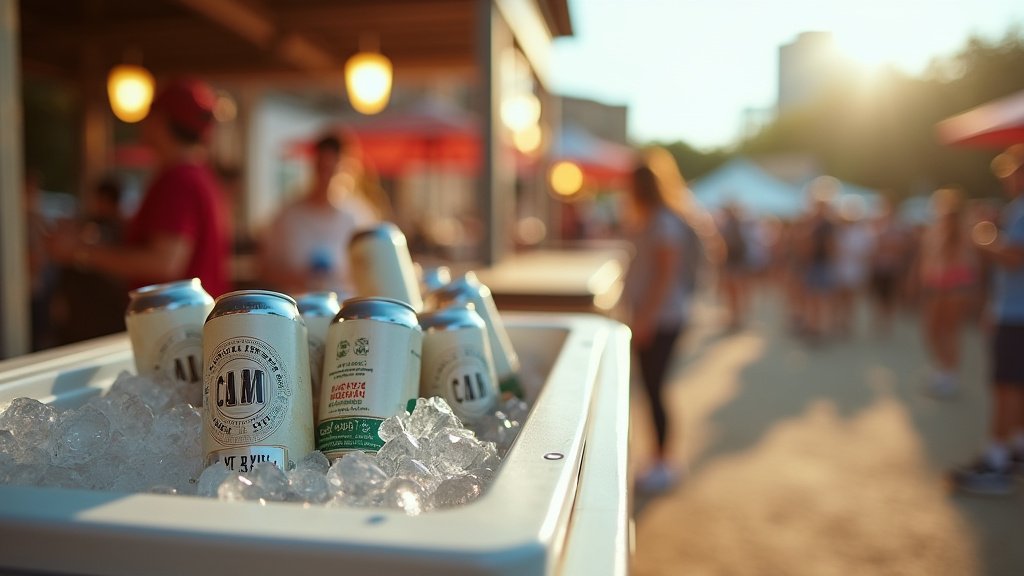
At the ground level, the fan experience has been notably altered. Concerts and music festivals are increasingly featuring cannabis lounges and designated consumption areas, transforming the social dynamics of live music events. This has cultivated a more laid-back, communal atmosphere, where fans can enjoy music and connect with others in a comfortable setting. For many, cannabis has become an integral part of their concert ritual, enhancing their sensory engagement with the performance. The normalization of cannabis at these events reflects a broader cultural shift, where responsible adult use is increasingly accepted and integrated into recreational activities. This has also led to a greater demand for cannabis-friendly venues and events.
Navigating the Regulatory Maze
Despite the widespread acceptance, the fragmented legal landscape remains a significant hurdle. Artists and businesses operating across state lines must contend with a complex web of differing regulations concerning cultivation, distribution, marketing, and consumption. This patchwork legality creates challenges for national tours, cross-state collaborations, and the scaling of cannabis-related ventures. Ensuring compliance requires careful legal counsel and adaptive business strategies. Industry bodies and advocacy groups are actively working towards federal reform, aiming to create a more unified and predictable environment, but progress has been slow.
Mainstream Integration and Industry Partnerships
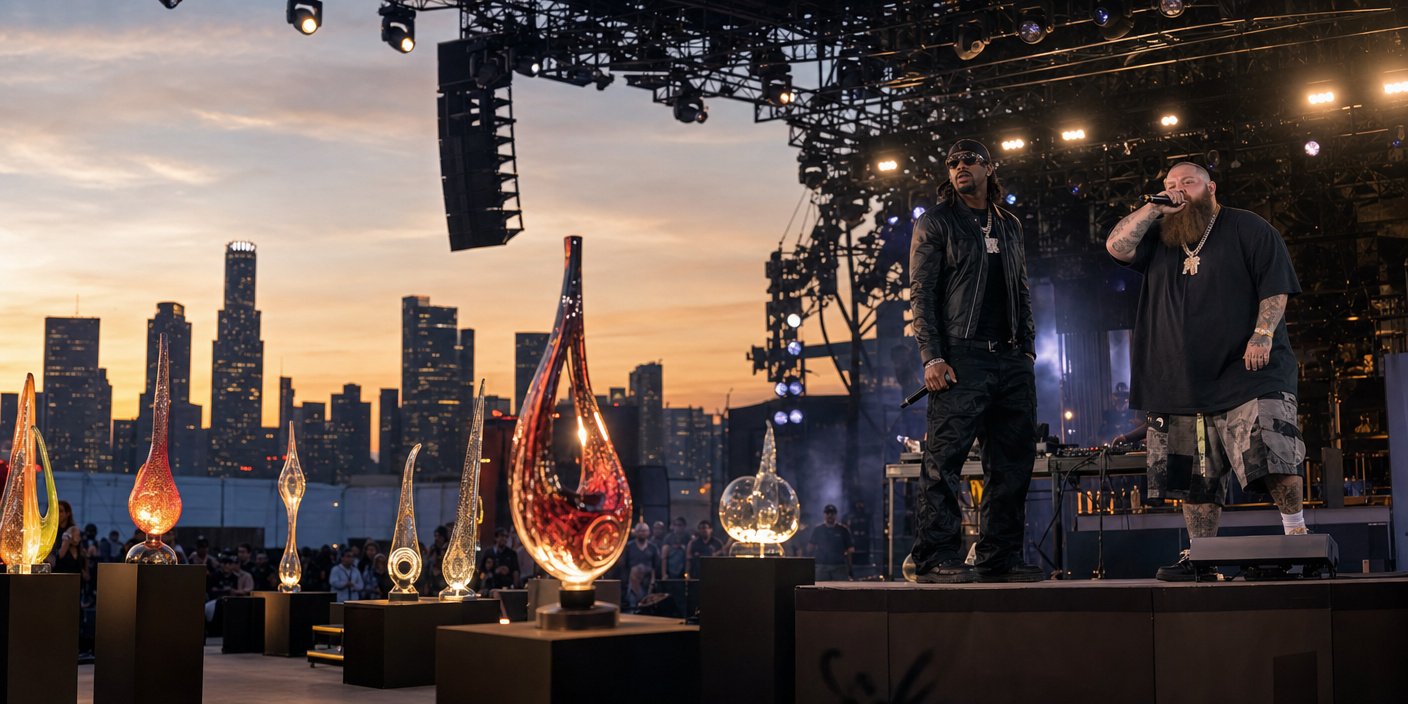
The ultimate signal of cannabis’s integration into music culture is the growing number of partnerships between major music entities and cannabis brands. Record labels, streaming services, and event organizers are now actively seeking collaborations, recognizing the significant market and cultural influence of cannabis. Sponsorship deals, co-branded merchandise, and joint marketing campaigns are becoming commonplace. This mainstream acceptance not only validates the connection between cannabis and music but also opens doors for further innovation and investment in this burgeoning sector.
FAQ: People Also Ask
Has cannabis use increased among musicians since legalization?
While definitive statistics are hard to pinpoint due to self-reporting and privacy concerns, many artists and industry insiders suggest that the perceived risk and stigma associated with cannabis use have decreased significantly since widespread legalization. This has likely led to more open use and discussion within creative circles, possibly encouraging experimentation among those who were previously hesitant.
What are the economic benefits of cannabis legalization for the music industry?
The economic benefits are multifaceted. They include new revenue streams for artists through branded products and endorsements, increased spending at venues and festivals where cannabis is permitted, and the creation of jobs within the cannabis industry that can support musicians and artists. Additionally, a more stable financial footing for artists can lead to greater investment in their musical careers.
How has cannabis legalization impacted the types of music being created?
It’s difficult to attribute specific musical trends directly to cannabis legalization. However, many artists report that cannabis enhances creativity, potentially leading to more experimental, introspective, or genre-bending music. The relaxed atmosphere it can foster in studios might also contribute to a more collaborative and less pressured creative environment, allowing for exploration.
Are there any downsides to the increased presence of cannabis in music culture?
Potential downsides include concerns about over-reliance or addiction among artists, the challenges of navigating varying state regulations, and the possibility of commercialization diluting the artistic authenticity. There are also ongoing public health discussions regarding responsible consumption and potential impacts on developing artists.