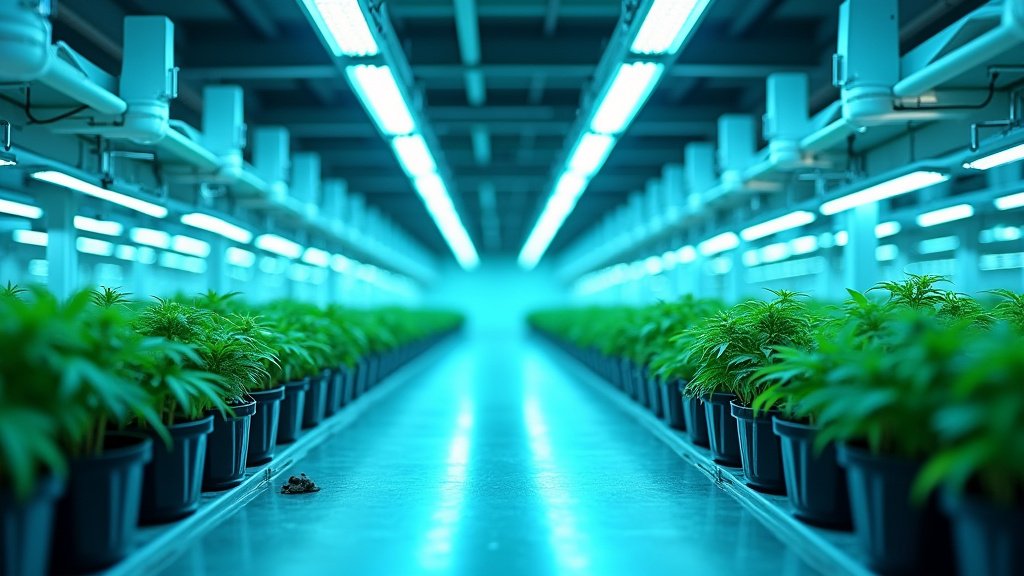
Native Roots’ head grower has revealed a significant shift in cultivation strategy, abandoning traditional 10-gallon pots and outdated double-ended High-Pressure Sodium (HPS) lighting systems. This move signals a departure from established industry norms, embracing more modern, efficient, and potentially higher-yield methodologies.
Key Highlights:
- Transition away from 10-gallon cultivation containers.
- Replacement of double-ended HPS lighting with advanced alternatives.
- Focus on optimizing growth environments for enhanced plant health and yield.
- Implication of potential cost savings and environmental benefits.
The Greener Pasture: Why Native Roots is Upgrading Its Grow Ops
The cannabis cultivation industry is in a constant state of evolution, driven by a relentless pursuit of efficiency, quality, and yield. At the forefront of this innovation is Native Roots’ head grower, who has made a decisive move to phase out two long-standing staples of the industry: the ubiquitous 10-gallon cultivation pot and the once-dominant double-ended High-Pressure Sodium (HPS) lighting systems. This strategic pivot is not merely a superficial change; it represents a fundamental re-evaluation of best practices in controlled environment agriculture (CEA), aiming to unlock new levels of performance and sustainability.
The Limitations of Large Pots
For years, the 10-gallon pot has been the workhorse of cannabis cultivation, particularly in larger commercial operations. Its generous volume was thought to be crucial for root development, providing ample space for plants to establish a robust root ball, which in turn supports larger vegetative growth and ultimately, heavier yields. However, the sheer size of these containers presents several practical challenges. They are cumbersome to move, require significant amounts of growing medium, and can lead to overwatering issues if not managed meticulously, as the large volume of soil can retain excess moisture for extended periods. This excess moisture can create anaerobic conditions in the root zone, potentially leading to root rot and other diseases, hindering plant health and reducing cannabinoid and terpene expression.
The transition away from 10-gallon pots suggests a move towards more optimized container sizes, potentially utilizing fabric pots or smaller, more precisely managed containers that encourage denser root structures and better aeration. Techniques like “root pruning” or using a more advanced medium could also be part of this strategy, allowing for comparable or even superior root development in a smaller footprint. This not only saves on medium costs but also makes the handling and transplanting process far more efficient, reducing labor costs and stress on the plants.
Farewell to HPS: Embracing the LED Revolution
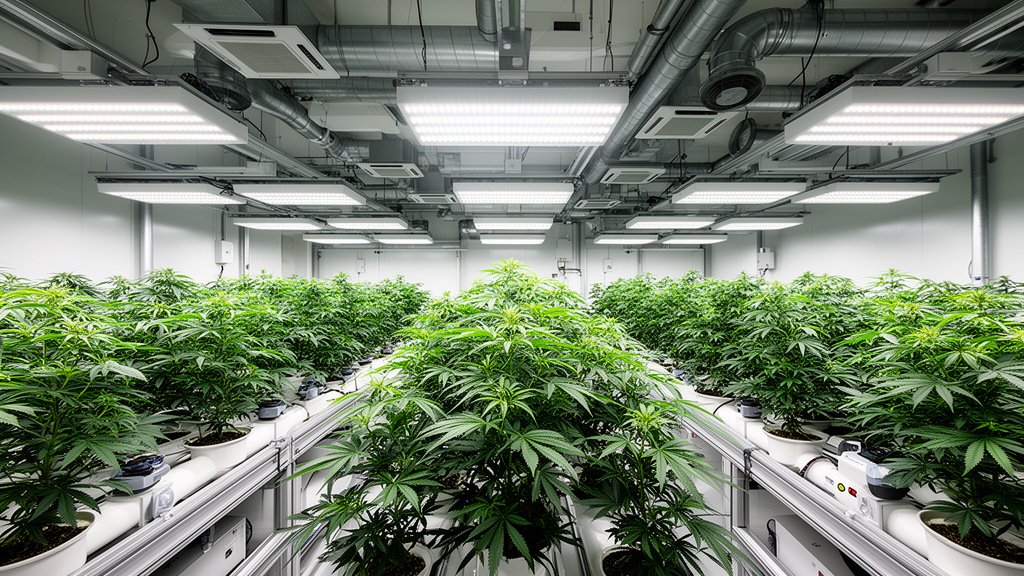
Double-ended HPS lights have powered cannabis grows for decades. Their intense light output and specific spectrum were considered the gold standard for flowering plants. However, HPS technology is notoriously inefficient, converting a significant portion of its energy into heat rather than usable light. This heat generation necessitates powerful and costly HVAC systems to maintain optimal grow room temperatures, driving up operational expenses and energy consumption. Furthermore, the spectrum emitted by HPS lights, while effective, is not as tunable as newer technologies.
The move away from HPS strongly indicates an adoption of Light Emitting Diode (LED) technology. Modern horticultural LEDs offer several distinct advantages: superior energy efficiency, lower heat output (reducing HVAC load), a customizable light spectrum that can be tailored to specific growth stages (vegetative, flowering), and a longer lifespan. Growers can now precisely control the light spectrum to maximize photosynthesis, enhance cannabinoid production, and improve terpene profiles, all while consuming less electricity. This shift is not just about adopting new hardware; it’s about leveraging advanced horticultural science to achieve better results with a smaller environmental footprint and potentially lower operating costs.
The Strategic Advantage of Modernization
This upgrade at Native Roots is more than just a technological refresh; it’s a strategic decision likely aimed at several key objectives. Firstly, improved yield and quality are paramount. By optimizing root zone conditions and employing more advanced lighting, the grower can expect to see increased biomass and potentially higher concentrations of desired compounds. Secondly, operational efficiency is a significant factor. Smaller pots mean easier handling, and more efficient lighting means lower energy bills and reduced cooling costs. Thirdly, sustainability is increasingly important in the cannabis industry. Reducing energy consumption and waste aligns with broader environmental goals and can also appeal to a consumer base that is more conscious of the ecological impact of their purchases.
This transition also requires a deeper understanding of plant physiology and environmental control. It implies that the grower and their team are adept at managing newer systems, potentially involving more sophisticated sensor arrays, environmental control software, and a more hands-on approach to monitoring plant health. It speaks to a commitment to continuous improvement and staying ahead of the curve in a highly competitive market.
FAQ: People Also Ask
What are the main benefits of switching from 10-gallon pots in cannabis cultivation?
Switching from 10-gallon pots can lead to improved root zone aeration, reduced risk of overwatering and root rot, lower material costs for growing medium, and increased operational efficiency due to easier handling and transplanting.
Why are growers moving away from HPS lights for cannabis?
HPS lights are inefficient, generate a lot of heat, and have a fixed spectrum. Modern LED grow lights are more energy-efficient, produce less heat, have a longer lifespan, and offer tunable spectrums that can be optimized for different stages of plant growth, leading to better yields and quality.
What are the implications of using LEDs instead of HPS for flowering?
LEDs allow for precise control over the light spectrum, which can be fine-tuned to promote denser bud formation, enhance cannabinoid and terpene production, and improve overall flower quality compared to the broader spectrum of HPS lights. They also operate at cooler temperatures, reducing the need for extensive cooling.
How does changing cultivation equipment affect the final cannabis product?
Changes in cultivation equipment, such as pot size, growing medium, and lighting, directly impact the plant’s environment and its ability to thrive. Optimizing these factors through modern equipment can lead to healthier plants, larger yields, and improved potency and flavor profiles due to better nutrient uptake, root development, and light utilization.
What are the environmental benefits of adopting newer cultivation technologies?
Newer technologies like LEDs are significantly more energy-efficient, reducing the carbon footprint of cultivation operations. Optimized container sizes and mediums can also reduce waste. Lower heat output from LEDs can also decrease reliance on energy-intensive HVAC systems, contributing to a more sustainable grow operation overall.