The cannabis industry is undergoing a critical transformation this week as of September 21, 2026, marking a strategic pivot away from the traditional, capital-heavy operational models that have long hindered smaller operators. For years, the barrier to entry for cannabis microbusinesses has been prohibitively high, characterized by the crushing weight of purchasing proprietary extraction equipment, securing compliant storage, and navigating a labyrinth of state-mandated traceability regulations. However, the emergence of shared processing facilities—centralized hubs designed specifically to support social equity microbusinesses—is fundamentally altering the economic landscape of the sector.
The Operational Strategy Shift
The central problem plaguing the cannabis industry has historically been the ‘capital cliff.’ Small-scale operators, particularly those qualifying under social equity programs, have struggled to compete with vertically integrated behemoths because they lacked the liquidity to establish their own manufacturing and extraction suites. The cost of entry for a compliant, industrial-grade extraction setup frequently exceeds $500,000, not including the recurring expenses for compliance auditing and specialized staff training.
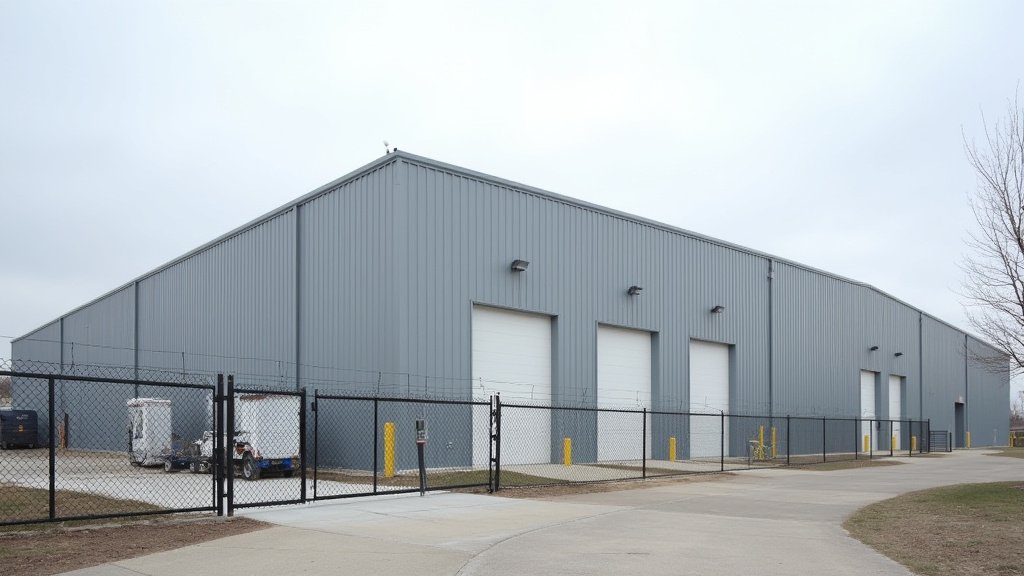
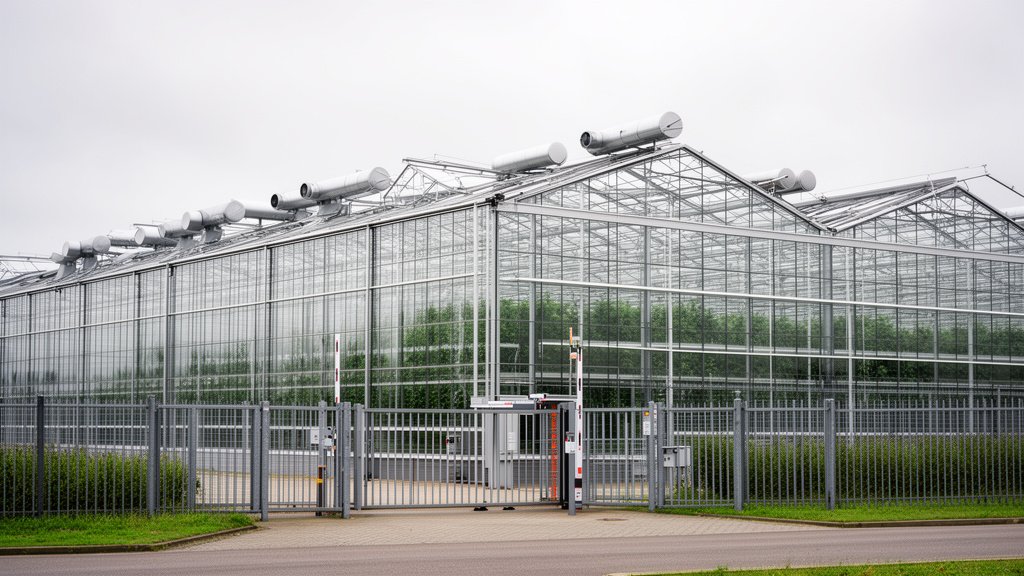
As of this September, industry intelligence reports indicate a surge in third-party shared processing hubs. These facilities function as industrial incubators, providing micro-operators with ‘pay-as-you-go’ access to critical technology. By utilizing these shared resources, operators can bypass the massive upfront expenditure previously required to bring a product to market. This strategy is effectively democratizing the supply chain, allowing smaller brands to focus on consumer-facing marketing and product development rather than heavy industrial infrastructure.
Compliance as a Shared Utility
Beyond hardware, the most significant burden for emerging operators is regulatory compliance. In the current 2026 market, the oversight from the Department of Cannabis Control (DCC) and various state regulatory bodies has tightened, demanding rigorous ‘seed-to-sale’ tracking and environmental safety standards. Maintaining this level of compliance in-house is a significant drain on resources.
The shared processing model mitigates this by centralizing the compliance burden. Because these facilities are built to be regulation-compliant by design, microbusinesses operating within them essentially ‘inherit’ the facility’s compliance posture. This shared responsibility model lowers the risk of license suspension and drastically reduces the cost of audits, as the facility operator handles the bulk of the regulatory interaction.
The Future of Market Accessibility
Looking ahead, this shift towards shared infrastructure will likely dictate the next phase of market consolidation. While we are seeing a reduction in independent processing facilities, the output volume of these shared hubs is rapidly increasing. By aggregating the production of dozens of microbusinesses, these centers can achieve economies of scale that were previously unreachable for small operators.
Experts predict that this model will prove crucial for the long-term viability of the social equity sector. By removing the capital-heavy barrier, we are witnessing a diversification of products on dispensary shelves, as smaller brands finally have the logistical support to iterate and scale their offerings in real-time.
Secondary Angles: Economic and Technical Impacts
1. Technological Democratization: The integration of automated, high-throughput extraction technology in shared hubs allows small brands to utilize equipment that would otherwise be reserved for large-scale corporate entities. This brings a higher standard of product quality—such as live resin or specialized concentrates—to the microbusiness tier.
2. Supply Chain Resilience: Centralized facilities provide a buffer against local supply chain disruptions. By consolidating storage and processing, the industry is creating more resilient, localized manufacturing clusters that are less susceptible to the volatility seen in standalone operator models.
3. The ‘Micro-Aggregator’ Phenomenon: We are seeing the rise of the ‘Micro-Aggregator’—a hybrid model where the facility operator not only provides the space but also helps manage distribution logistics. This creates a full-service ecosystem that allows the microbusiness owner to focus exclusively on their core competence: brand building and consumer engagement.
FAQ: People Also Ask
How does a shared processing facility benefit a social equity microbusiness specifically?
It significantly reduces capital expenditure by eliminating the need to purchase high-cost extraction and manufacturing equipment. It also provides a pre-compliant environment, reducing the administrative burden and legal risk associated with state-mandated regulatory adherence.
Are these facilities legal in all jurisdictions with recreational cannabis?
Regulations vary by state and municipality. While these centers are becoming common in forward-thinking regulatory environments, operators must verify that their specific licensing category permits the use of third-party, shared-use processing agreements under local ordinances.
Will shared processing impact the retail price of cannabis products?
Yes, in a positive way for consumers. By lowering the cost of production for smaller brands, shared processing reduces the ‘barrier tax’ that often leads to high prices on the shelves. As more brands enter the market through these hubs, competitive pricing is expected to increase across the board.