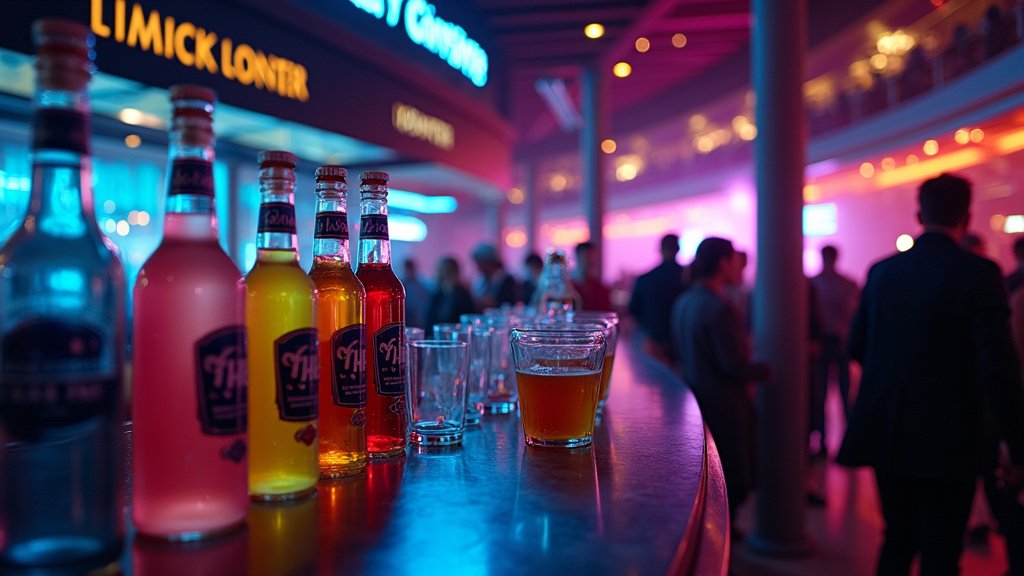
Chicago’s United Center is making history. It is now the first major U.S. arena to offer hemp-derived THC beverages. This groundbreaking move begins on February 4, 2026. Patrons aged 21 and older can purchase these drinks. Sales will occur during concerts and live shows. However, they will not be available during sporting events. Children’s or family-themed activities also exclude these beverages. This debut signals a significant shift in arena offerings. It reflects a growing consumer demand for alternative beverages.
Key Brands and Offerings
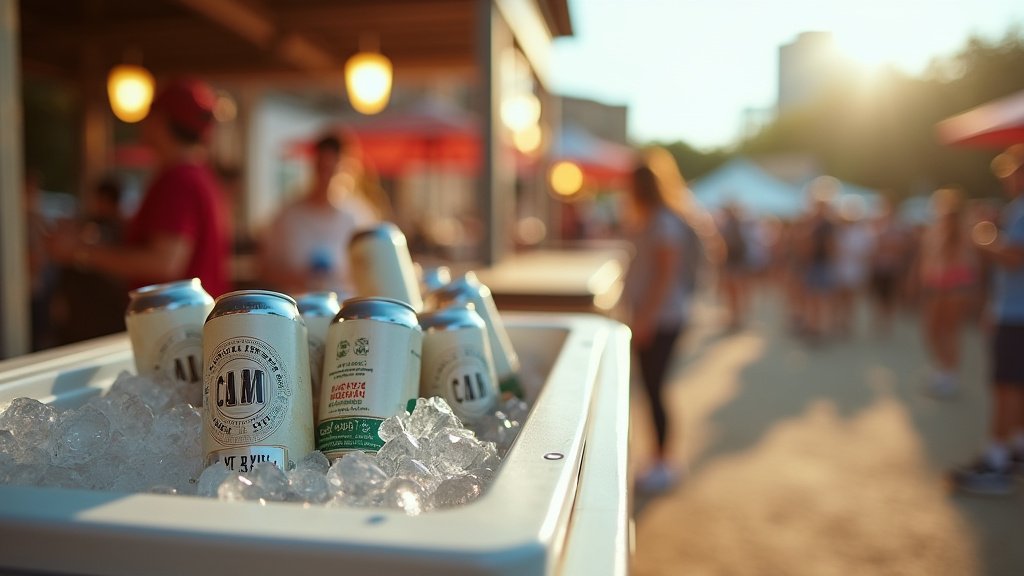
The United Center partnered with two Chicago-based brands. These are Señorita and Rythm. Rythm is also the arena’s “official THC sponsor”. The drinks contain 5 milligrams of THC per serving. This dosage is comparable to a moderate alcoholic drink. Señorita offers three flavors. These include Lime Jalapeño Margarita, Mango Margarita, and Grapefruit Paloma. Rythm features a Sativa Mandarin Orange beverage. It also includes natural caffeine for an energizing boost. These beverages are available at 24 points of sale. They include grab-and-go stations and bars. A dedicated Señorita mobile bar is also present.
A New Era for Entertainment Venues
This move follows similar trends in smaller Chicago venues. It also aligns with a broader rise in THC beverage sales. These sales reached $850 million in 2025. Experts project them to hit $4 billion by 2028. Ben Kovler, CEO of Rythm, Inc., noted consumer demand for non-alcoholic options. He believes leading venues are responding to this trend. The United Center aims to provide modern, responsible options for guests. This partnership could pave the way for other arenas to follow suit.
Navigating a Complex Regulatory Landscape
The introduction of THC beverages occurs amid evolving federal regulations. A federal ban on intoxicating hemp products is set to take effect in November 2026. This new legislation redefines hemp. It shifts the focus from delta-9 THC to “total THC”. A strict cap of 0.4 milligrams of total THC per container will be imposed on final products. This change threatens the entire hemp industry. Industry groups are lobbying for a delay. Some expect states to remain permissive despite federal prohibitions. Chicago itself recently banned some intoxicating hemp products. However, it created an exception for low-dose beverages at licensed venues. This creates a complex legal environment.
Context and Future Implications
Sports leagues have their own rules. For example, the NHL does not currently allow THC products at games. This is why drinks are not available during Chicago Bulls or Blackhawks games. However, discussions with sports leagues continue. There is hope that stances will change. The move aligns with a decrease in alcohol consumption. Consumers are seeking alternatives. Some experts suggest THC beverages might even enhance the sports viewing experience. They could offer a different kind of altered consciousness compared to alcohol. The success of this initiative could influence future beverage sales in entertainment venues nationwide. The cannabis beverage market is trending upwards. This partnership places the United Center at the forefront of this trend. It is a significant development in the integration of cannabis-related products into mainstream entertainment. The news is a key development in the evolving cannabis landscape.
Related News
This news is related to the trending cannabis industry. It highlights new developments in the music and entertainment sectors. This is important news for consumers and the industry alike.
Conclusion
The United Center’s decision marks a pioneering step. It embraces a new category of beverages. This reflects changing consumer preferences. It also navigates a shifting regulatory future. The arena is set to redefine the fan experience. This news will likely spark further discussion and innovation in the entertainment industry. The trends indicate a growing acceptance and integration of cannabis-related products into public life.