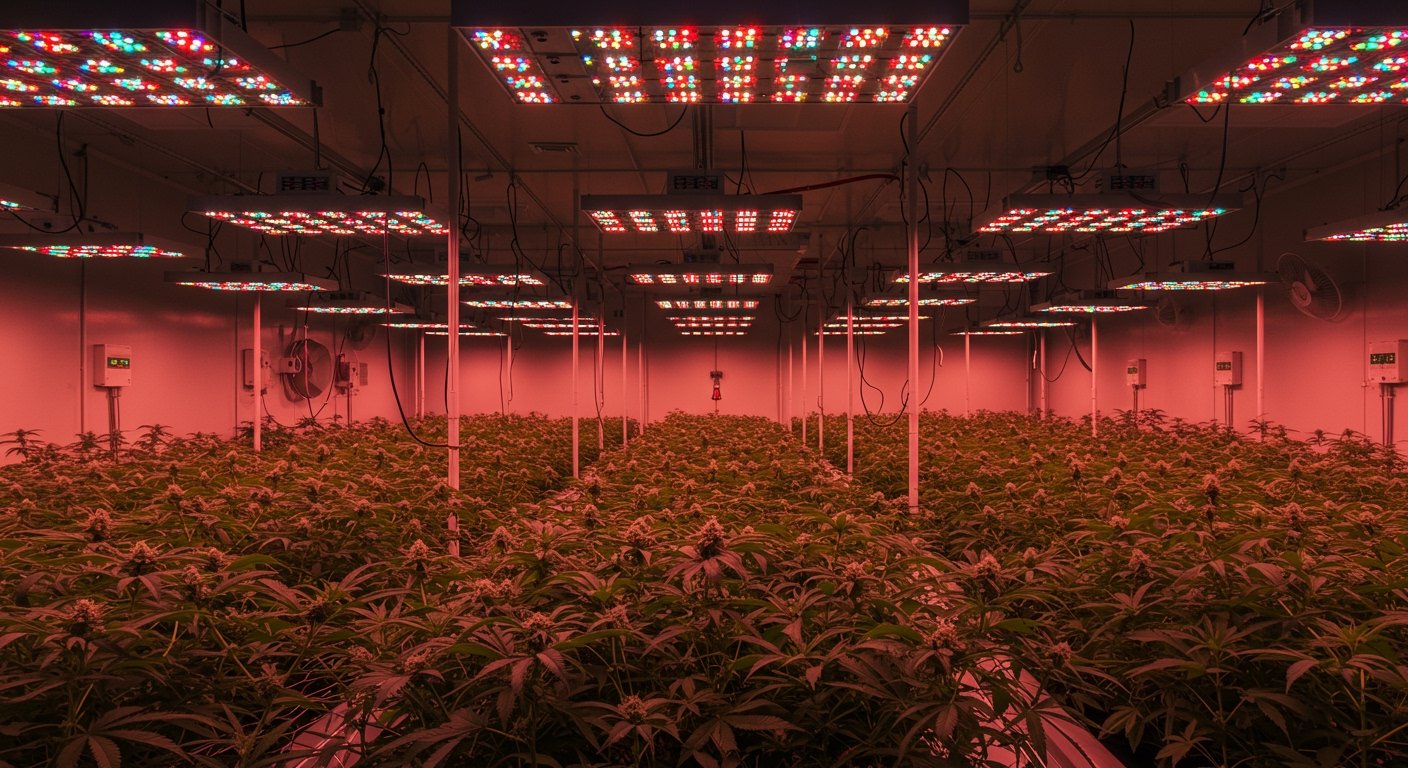
Indoor cannabis cultivation offers enthusiasts the ability to control nearly every environmental variable, from light cycles to temperature and humidity, leading to potentially higher yields and quality compared to outdoor methods. As interest continues to grow, understanding the precise steps and requirements is crucial, especially for those embarking on this journey for the first time in 2025. This comprehensive guide outlines the fundamental stages and key considerations necessary for successful indoor cannabis cultivation aimed specifically at beginners.
Understanding the Initial Requirements
Embarking on indoor cultivation requires careful planning before seeds are even sown. Key factors beginners must consider include strain selection, which influences growth patterns, yield, and desired effects. The cultivation space itself is paramount; it must accommodate the plants’ full growth cycle while allowing for necessary equipment and access. Equally important is a thorough understanding of current legal regulations concerning cannabis cultivation in the grower’s specific location, as laws vary significantly and are subject to change, even into 2025.
The Cultivation Stages: A Step-by-Step Process
The journey from seed to harvest follows distinct stages, each with unique environmental needs.
Stage 1: Seed Germination
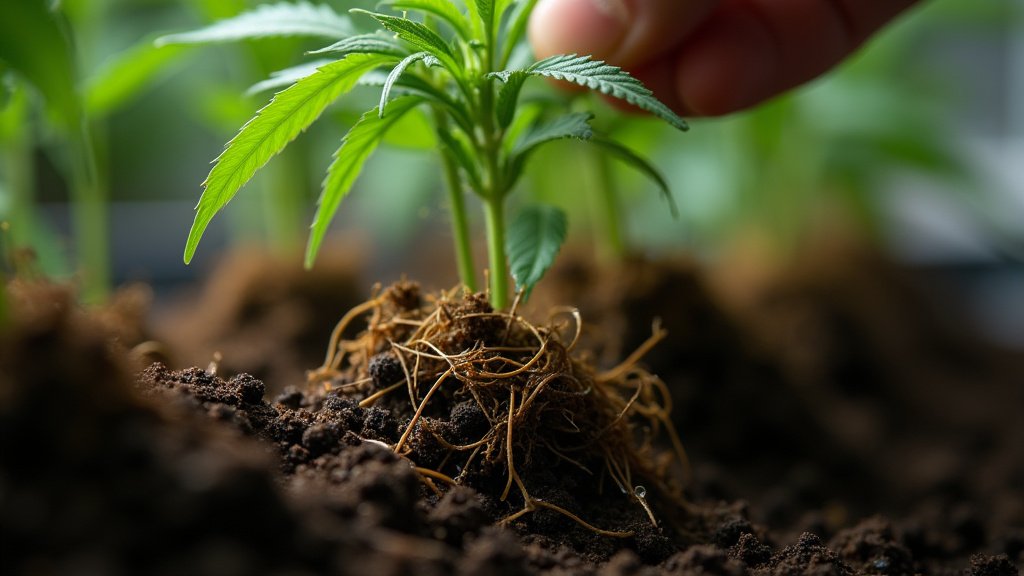
This initial phase is critical for viability. Successful seed germination typically requires maintaining a higher humidity level and temperatures around 70°F (21°C) to encourage the seed to sprout.
Stage 2: Vegetative Stage
Following germination, the plant enters the vegetative stage, focusing on developing foliage and structure. This stage demands ample light, ideally 18–24 hours per day. Temperatures should be kept between 70–85°F (21–29°C), with humidity maintained at 50–70%. Adequate fresh air exchange is vital for healthy growth. Nutrient-wise, plants in this stage require nitrogen-based nutrients to support vigorous leafy development.
Stage 3: Flowering Stage
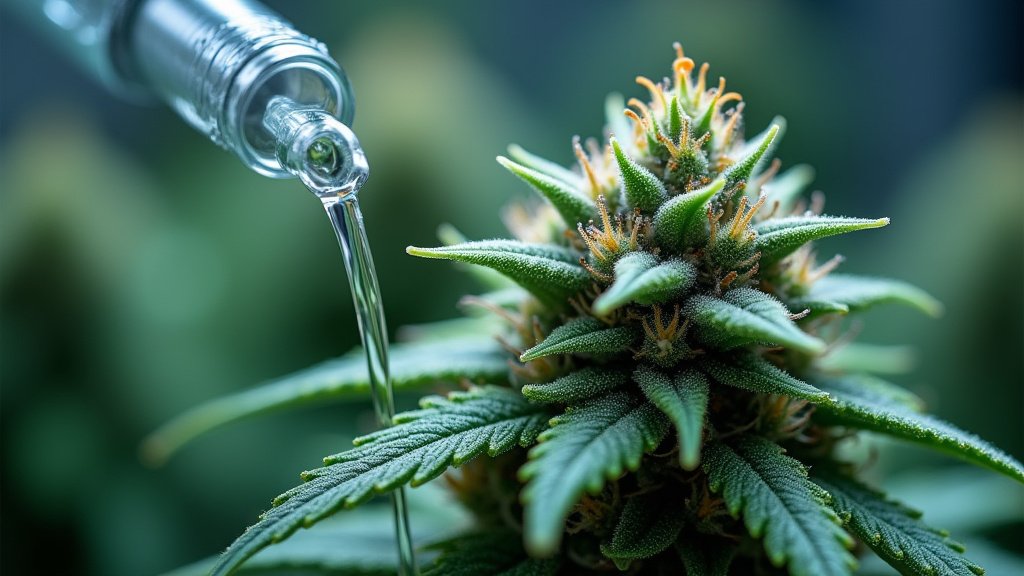
To transition to the flowering stage, where buds develop, the light cycle must be switched to 12 hours on/12 hours off. Managing the environment becomes even more critical. Carbon dioxide (carbon dioxide levels) play a role in optimizing growth during this phase. Humidity should be lowered to 40–50% to reduce the risk of mold and mildew. Nutrient needs shift significantly, requiring the addition of phosphorus and potassium to support flower development.
From Harvest to Cure
Successfully navigating the growth stages leads to the final phases: harvesting and curing. Identifying the right harvest time is crucial for potency and flavor, often determined by examining trichome development. Proper harvesting techniques ensure minimal damage to the plant and the yield. Storing the yield correctly after curing is essential to preserve quality over time.
Addressing Potential Challenges
Indoor cultivation is not without its potential pitfalls. Beginners must be prepared for managing pests and diseases, which can quickly decimate a crop if not addressed promptly. Similarly, addressing nutrient deficiencies and environmental issues, such as incorrect pH levels or temperature fluctuations, is key to preventing stunted growth or plant death. Vigilance and early intervention are paramount.
The Advantages of Growing Indoors
Despite the challenges, indoor cultivation offers significant advantages highlighted in this guide for 2025. The primary benefit is better control over environmental factors like light, temperature, and humidity. This allows growers to create ideal conditions tailored to their chosen strain, regardless of external weather. Furthermore, indoor environments offer reduced exposure to common pests and environmental contaminants that outdoor plants face, leading to a cleaner, more predictable yield.
Sourcing Quality Seeds
For beginners, obtaining high-quality genetics is the starting point. The guide notes that several seed banks serve as reliable sources for acquiring seeds, offering a wide variety of strains suited to indoor environments.
In conclusion, while demanding attention to detail and adherence to specific environmental parameters, successful indoor cannabis cultivation is achievable for beginners in 2025. By understanding the critical stages, maintaining precise environmental controls, and proactively managing potential issues, growers can look forward to a rewarding harvest.