In the expanding landscape of cannabis cultivation, feminized seeds have become a cornerstone for growers seeking reliable, bud-producing plants. Unlike regular seeds, which can produce male or female plants, feminized seeds are specifically bred to develop into female plants, which are the ones that produce cannabinoid-rich flowers. Achieving a successful harvest from these specialized seeds, however, requires adherence to fundamental horticultural principles and specific techniques.
A recent article, titled “Grow Tips: Feminized Cannabis Seeds Essentials,” published on SeedsHereNow.com on June 17, 2025, offers a comprehensive guide to these vital practices. The piece emphasizes that minimizing stress factors and optimizing environmental conditions are paramount to maximizing the yield and quality of feminized cannabis plants.
Minimizing Stress: A Foundation for Healthy Growth
One of the core tenets highlighted in the SeedsHereNow.com article is the importance of reducing stress throughout the plant’s lifecycle. Stress, whether from environmental fluctuations, improper watering, or physical damage, can stunt growth, reduce potency, and even trigger hermaphroditism (the development of male flowers on a female plant), which can pollinate the crop and produce unwanted seeds.
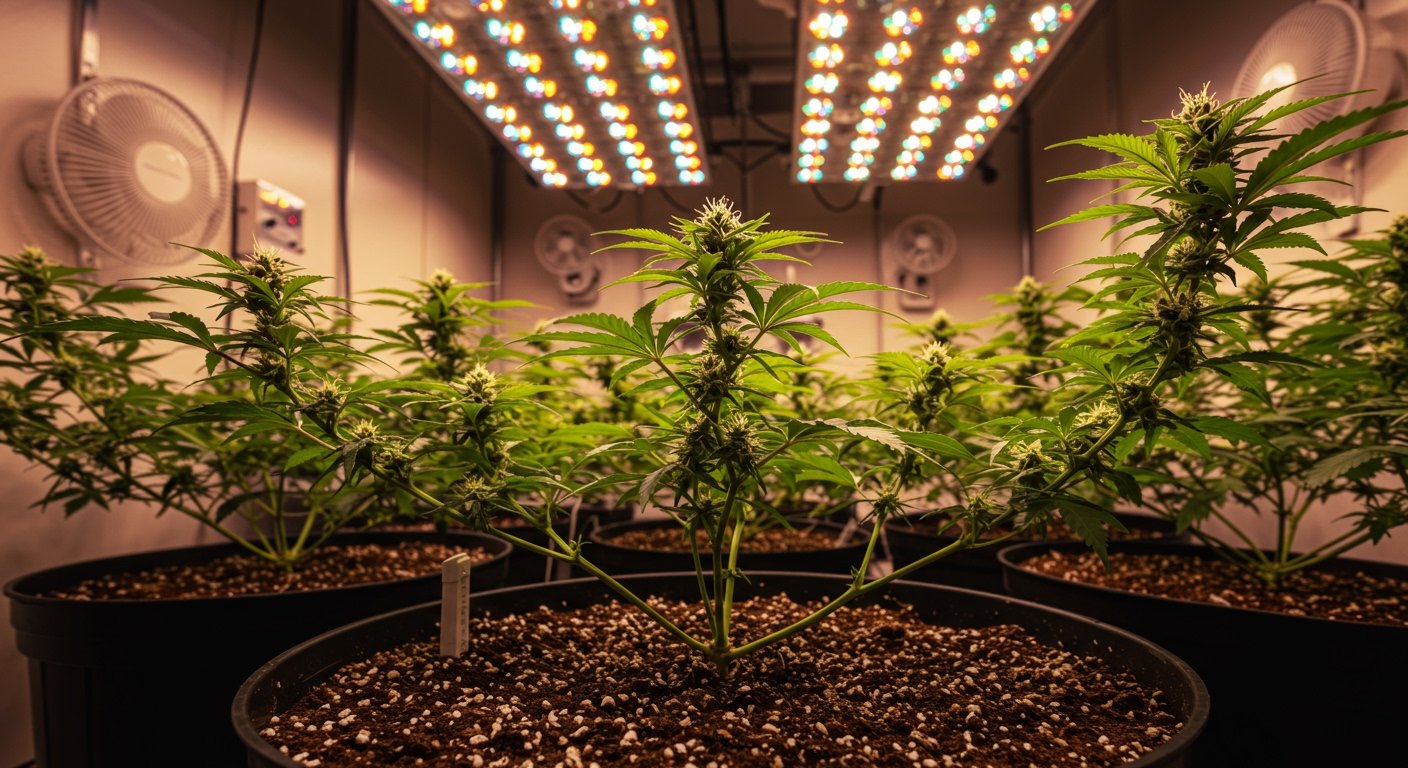
A critical aspect of stress mitigation involves ensuring adequate light exposure and maintaining proper plant spacing. Overcrowding plants leads to competition for light, water, and nutrients, and also restricts airflow, creating conditions ripe for pests and diseases. Providing sufficient space and light from the outset helps plants grow strong and healthy.
Optimizing Environmental Conditions: Light, Temperature, and Humidity
Environmental control is fundamental to cannabis cultivation. The article stresses the need for specific temperature and humidity ranges to support vigorous growth and flowering.
For temperature, the optimal range suggested is between 70°F and 85°F (21°C – 29°C) during the day. Temperatures should be slightly cooler at night, mimicking natural diurnal cycles. Maintaining temperatures within this range promotes healthy metabolic activity and nutrient uptake.
Humidity management is equally crucial and varies between growth stages. During the vegetative stage, when plants are focusing on foliage development, a relative humidity of 40% to 60% is recommended. As plants transition into the flowering stage and buds begin to form, humidity should be gradually reduced to a range of 40% – 50%. Lowering humidity during flowering is critical for preventing mold and mildew, particularly Botrytis (bud rot), which can devastate a crop.
The Importance of Proper Watering
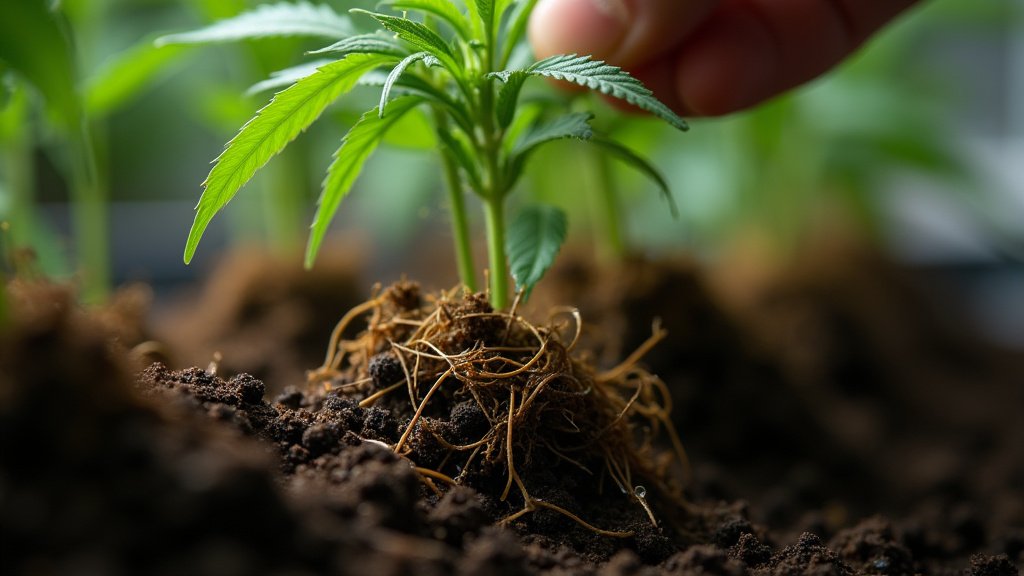
Overwatering is a common mistake that can quickly lead to root problems and nutrient deficiencies. The guide from SeedsHereNow.com advises against this practice, recommending that growers allow the soil to dry out slightly between waterings. This encourages roots to grow outwards in search of moisture, leading to a more robust root system capable of supporting larger plant growth and higher yields. Checking the moisture level by feeling the top inch or two of the soil or assessing the weight of the pot are reliable methods.
Air Circulation and Canopy Management
Proper air circulation is vital for plant health and disease prevention. The article highlights the importance of using fans or ventilation systems to ensure consistent airflow throughout the grow space. Good air movement strengthens stems, helps regulate temperature and humidity, and prevents stagnant air pockets where mold and pests can thrive.
Advanced Techniques: Pruning and Training for Yield
Beyond environmental control, strategic manipulation of the plant’s structure can significantly impact yield. The article discusses various pruning and training techniques aimed at maximizing light penetration and directing the plant’s energy towards flower production rather than excessive vegetative growth.
Techniques such as topping (removing the main growing tip to encourage multiple colas), low-stress training (LST) (gently bending and tying down branches to create a more even canopy), and screen of green (ScrOG) (growing plants through a horizontal screen to spread the canopy and optimize light exposure) are valuable tools for indoor and outdoor growers alike. These methods help create an even canopy, ensuring that lower branches receive adequate light, leading to larger, more uniform buds and ultimately, a higher overall yield.
Conclusion: Achieving Success
Cultivating feminized cannabis seeds successfully is a process that demands attention to detail and consistent care. By adhering to the essential tips outlined in resources like the SeedsHereNow.com article from June 17, 2025 – focusing on stress reduction, precise environmental control (light, temperature, humidity), careful watering, robust air circulation, and intelligent pruning and training – growers can significantly enhance their chances of achieving a bountiful and high-quality harvest.