The relationship between music and cannabis has existed for nearly a century, from the jazz clubs of the 1930s to the reggae movements of the 1970s and the hip-hop revolution. However, by 2026, the dynamic has fundamentally shifted. What was once a source of counter-cultural tension or a hush-hush backstage habit has been transformed into a fully institutionalized, multi-billion-dollar pillar of the live entertainment economy. With recreational legalization solidified across significant portions of North America and shifting policies globally, cannabis is no longer just a muse for artists—it is a formal amenity, a primary sponsor, and an integrated component of the modern music ecosystem.
Key Highlights
- Mainstream Integration: Cannabis brands are now major sponsors for music festivals and concert venues, operating with the same legitimacy as alcohol and beverage companies.
- New Revenue Streams: Musicians are leveraging licensing deals, signature strain partnerships, and co-branded merchandise to diversify their income beyond traditional streaming royalties.
- Institutionalized Live Experiences: Festivals and venues are creating legal, age-verified consumption zones, treating cannabis as a standard guest amenity rather than a liability.
- Creative Normalization: The stigma surrounding cannabis use in the creative process has largely evaporated, allowing artists to openly incorporate their relationship with the plant into their brand identity and business ventures.
The New Harmony: How Cannabis Became Corporate Culture
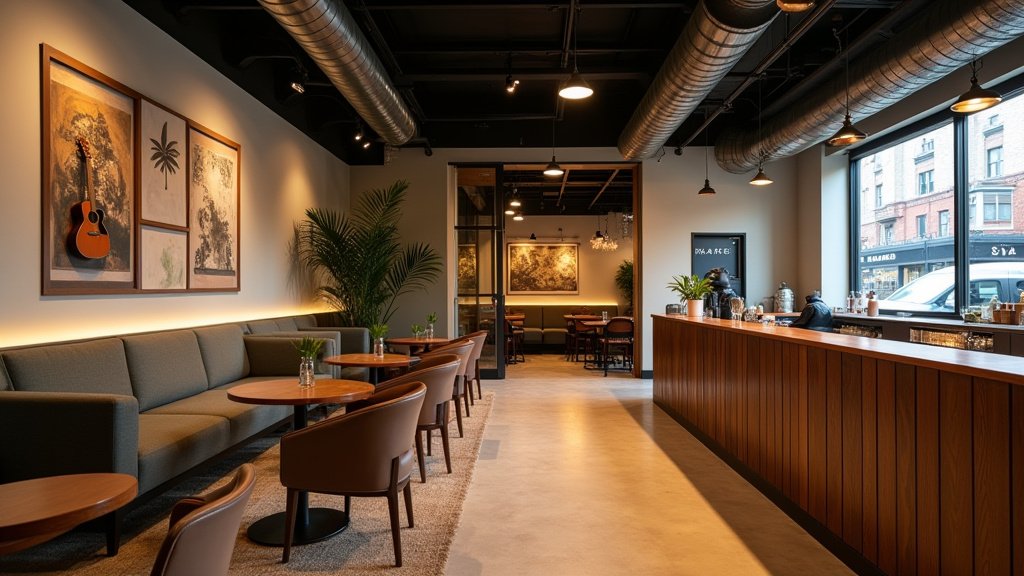
The most visible change in 2026 is the rapid institutionalization of cannabis within live music. Historically, festival organizers operated in a gray area, often ignoring consumption while theoretically prohibiting it. Today, that ambiguity has been replaced by structured compliance. Venues are now designing “consumption-friendly” spaces that mirror the professional layout of VIP beer gardens and culinary tents.
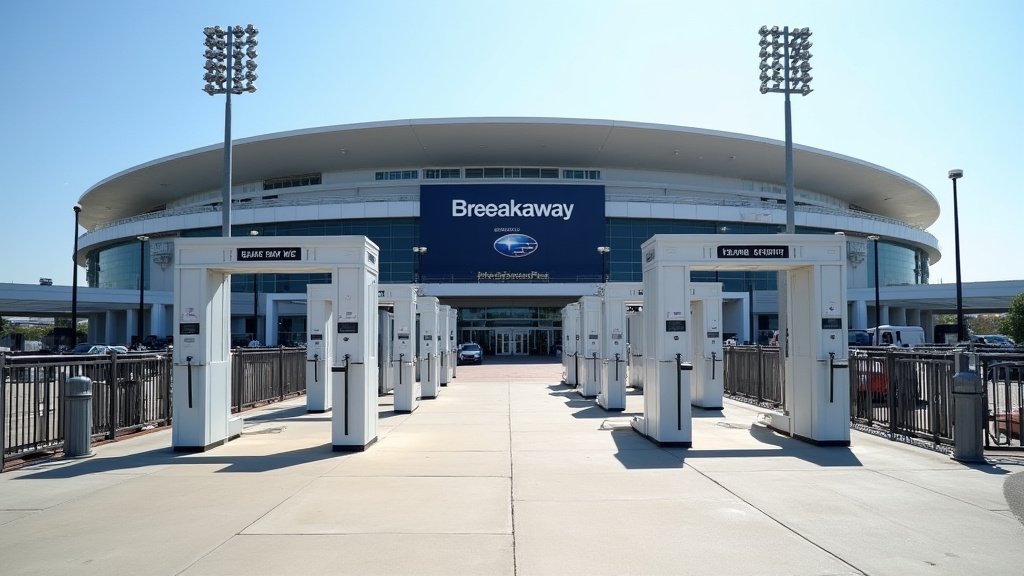
This shift has been driven by data. As legalization broadens, event organizers have realized that providing designated spaces creates a safer, more controlled environment for attendees while generating significant sponsorship opportunities. For example, brands like Budr and Cookies have pioneered in-venue experiences, ranging from branded lounges to virtual ordering systems where concert-goers can reserve products for pickup, bridging the gap between digital retail and physical event attendance. This model has effectively turned cannabis consumption from a “risk” into an “experience,” allowing venues to capture revenue that previously left the premises.
The Economic Synergy of Artist Partnerships
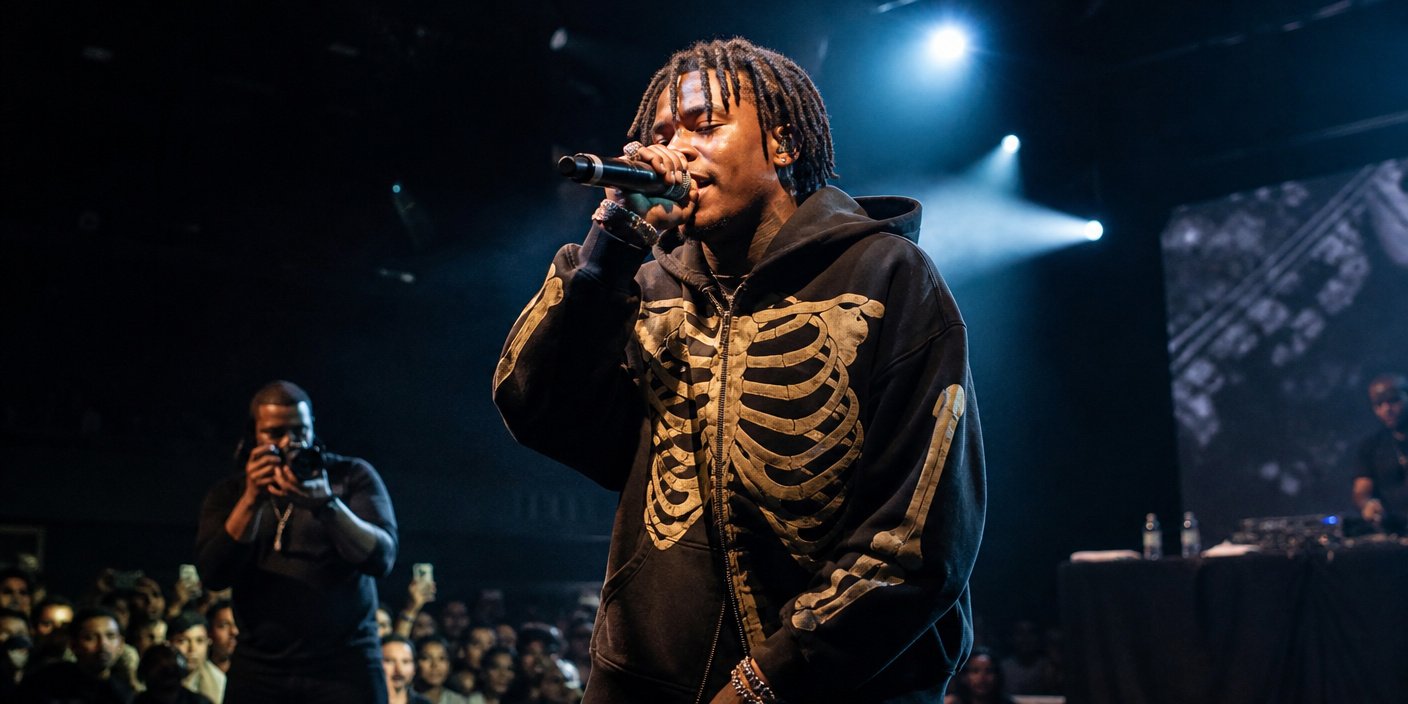
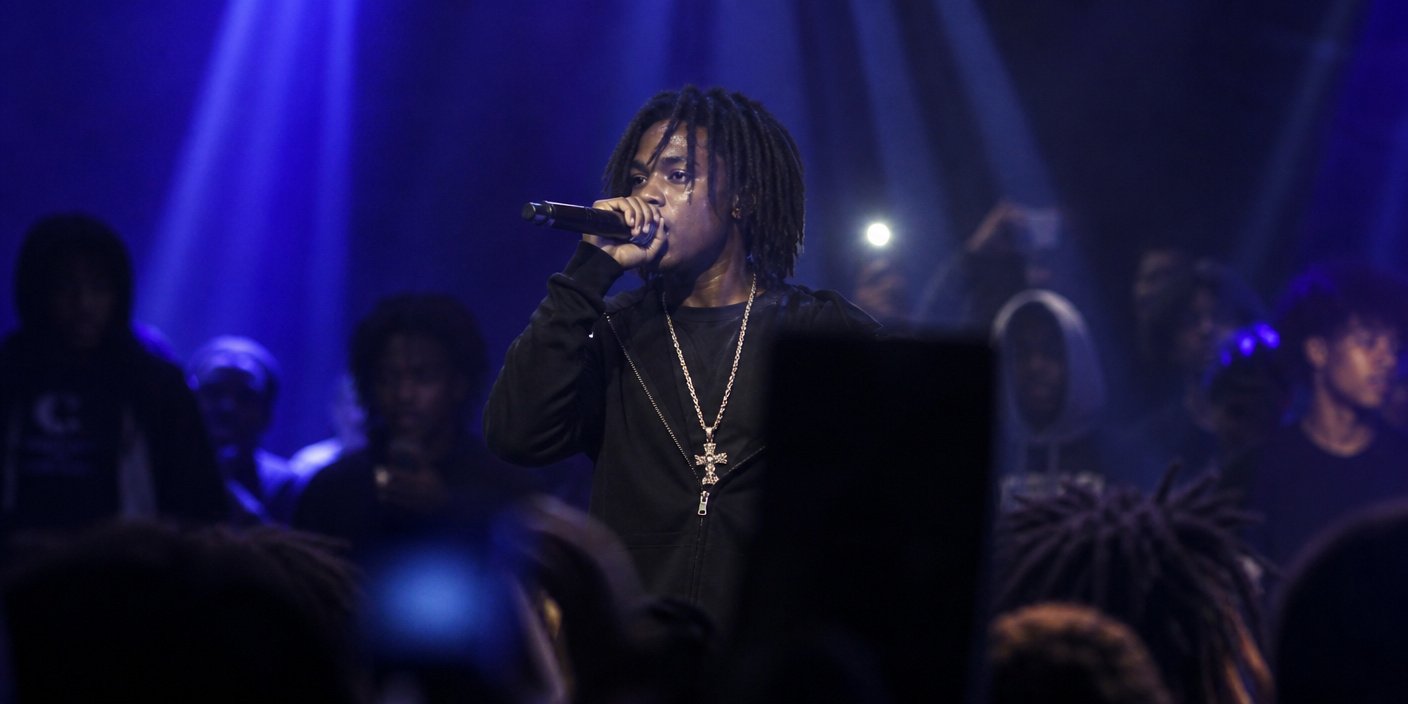
For artists, the shift represents a critical diversification of income. In an era where streaming revenue is famously fickle, musicians are increasingly functioning as brand ambassadors and entrepreneurs. The 2026 model of the “musician-entrepreneur” often includes a cannabis licensing deal. By partnering with cultivators to release “signature strains” or co-branded vaping hardware, artists are capitalizing on their specific brand equity.
This is not merely about merchandising; it is about authentic engagement. Because cannabis is now a legal, regulated product, artists can participate in the product development process—collaborating with growers on terpene profiles or flavor aesthetics—which strengthens the connection between the artist’s brand and their fanbase. This is a level of intimacy and “lifestyle branding” that traditional merchandise like t-shirts or posters cannot replicate.
The Evolution of the Creative Process
Beyond the business side, the cultural impact on the art itself has evolved. There is a newfound transparency regarding the creative process. In previous decades, the influence of cannabis was often coded in lyrics or implied through sonic textures (the “haze” of 90s hip-hop or the psychedelic rock of the 60s). In 2026, the conversation has moved into the light.
Producers and artists now discuss their use of the plant in documentaries, social media, and interviews as a deliberate tool for creative flow or wellness, much like they discuss nutrition or fitness. This normalization has arguably broadened the sonic landscape. As artists feel less pressure to hide their habits, the creative experimentation with “cannabis-aligned” music—tracks designed for relaxation, focus, or sensory expansion—has moved from a niche sub-genre to a broader trend in pop, electronic, and indie composition.
Secondary Angles: The Path Forward
1. The Regulatory Balancing Act: As more venues adopt these policies, local and state governments are struggling to standardize the “safe consumption” laws. We are seeing a 2026 trend where “Cannabis Hospitality Licenses” are becoming the next major hurdle for stadium and festival operators, necessitating dedicated legal teams just to manage event compliance.
2. The Health-Conscious Shift: Interestingly, the 2026 market shows a pivot away from high-THC potency as the sole selling point. Similar to the “craft beer” movement, there is a rising demand for “low-dose, high-terpene” products tailored for the duration of a live concert, allowing fans to enjoy the vibe without the “green out” risk.
3. Social Justice & Equity: The industry is grappling with the paradox of corporate success while legacy operators remain marginalized. Music festivals are increasingly featuring “Equity Booths” or specific programming designed to highlight social justice initiatives, ensuring that the “green wave” of profit doesn’t leave behind the communities that sustained the culture during prohibition.
FAQ: People Also Ask
Q: Are artists really making more money from cannabis than streaming?
A: While it varies wildly, for mid-tier touring artists with strong brand loyalty, a successful cannabis licensing partnership can provide a significant, recurring revenue stream that competes with or exceeds monthly streaming royalties, largely because of higher profit margins on physical goods.
Q: Is cannabis allowed at all music festivals in 2026?
A: No. It depends entirely on the local municipality and the private policy of the venue. While many festivals in legal states offer “consumption zones,” many others remain strictly smoke-free or alcohol-only. Always check individual event policies.
Q: Has legal cannabis changed the sound of music?
A: While it hasn’t changed music production techniques directly, it has influenced the “vibe” of marketing. Platforms like Spotify and Apple Music have seen an explosion in playlists curated for specific cannabis experiences, which influences how artists package their music for playlisting algorithms.
Q: What is a “Cannabis Hospitality License” for a venue?
A: It is a specialized permit in certain jurisdictions that allows a business to host on-site consumption and retail sales. Venues with these licenses are essentially the new “frontier” of the live event industry, blending retail, hospitality, and performance.