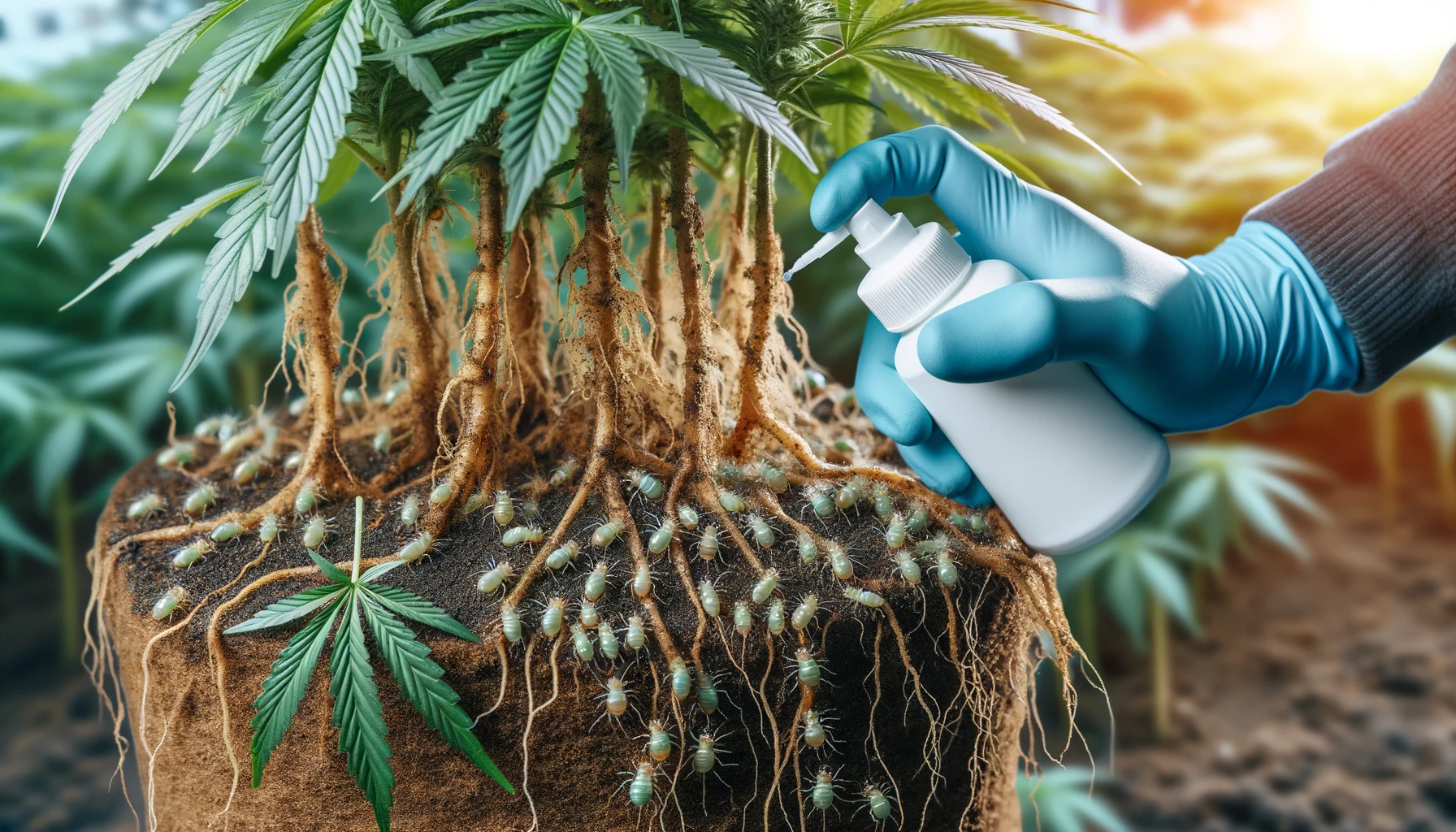
Effective Organic Solutions for Root Aphids on Cannabis: Comprehensive Guide
Root aphids are a persistent and damaging pest for cannabis growers. These tiny insects attack the plant’s roots, leading to stunted growth, yellowing leaves, and reduced yields. This guide will provide a detailed overview of how to identify, treat, and prevent root aphid infestations using organic methods.
Table of Contents
| Heading | Sub-topics |
|---|---|
| Understanding Root Aphids | Life Cycle, Signs of Infestation, Types of Root Aphids |
| Why Choose Organic Treatment? | Benefits of Organic Methods, Environmental Impact |
| Identifying Root Aphid Infestations | Visual Signs, Early Detection Techniques |
| Preventive Measures | Cultural Practices, Soil Health, Natural Predators |
| Organic Treatment Methods | Neem Oil, Diatomaceous Earth, Beneficial Nematodes, Insecticidal Soap, Essential Oils |
| Detailed Application Techniques | Soil Drenches, Top Dressings, Beneficial Insects |
| Creating a Root Aphid-Resistant Environment | Soil Management, Plant Health, Regular Monitoring |
| Dealing with Severe Infestations | Combining Treatments, Pruning and Disposal, Safe Use of Organic Pesticides |
| Long-Term Maintenance and Prevention | Routine Inspections, Ongoing Soil Health, Integrated Pest Management (IPM) |
| Common Mistakes to Avoid | Over-application, Ignoring Early Signs, Improper Use of Treatments |
| Advanced Organic Treatments | DIY Recipes, Advanced Biological Controls, Integrating Multiple Methods |
| FAQs | Frequently Asked Questions on Organic Root Aphid Control |
Understanding Root Aphids
Life Cycle
Root aphids, such as the Phylloxera family, have a complex life cycle that includes egg, nymph, and adult stages. They reproduce rapidly, especially in warm, moist conditions, which can make infestations difficult to control.
Signs of Infestation
- Stunted Growth: Plants show reduced growth and vigor.
- Yellowing Leaves: Leaves turn yellow and wilt despite adequate watering and nutrition.
- Root Damage: Roots may appear brown and unhealthy, often with a white, waxy coating.
Types of Root Aphids
- Phylloxera: Common in vineyards and can affect cannabis.
- Rice Root Aphid (Rhopalosiphum rufiabdominalis): A prevalent species in cannabis cultivation.
- Greenhouse Root Aphid: Another species frequently found in controlled environments.
Why Choose Organic Treatment?
Benefits of Organic Methods
- Safety: Organic treatments are safer for humans, pets, and beneficial organisms.
- Sustainability: They support long-term soil health and environmental sustainability.
- No Toxic Residue: They leave no harmful residues in the soil or on plants.
Environmental Impact
Organic treatments minimize harm to non-target species and help prevent the development of pesticide-resistant pest populations.
Identifying Root Aphid Infestations
Visual Signs
Check roots for small, oval insects and a white, powdery residue. Plants may exhibit signs of nutrient deficiency despite proper care.
Early Detection Techniques
- Soil Probing: Gently dig around the roots to inspect for aphids.
- Yellow Sticky Traps: Place traps near the soil to monitor for flying aphid stages.
Preventive Measures
Cultural Practices
- Clean Equipment: Sterilize tools and containers to prevent introducing pests.
- Sanitation: Remove plant debris and maintain clean growing areas.
- Quarantine: Isolate new plants to prevent introducing root aphids.
Soil Health
- Compost Tea: Regularly apply compost tea to boost beneficial microbial activity.
- Cover Crops: Use cover crops to improve soil structure and health.
Natural Predators
Encourage or introduce natural predators such as:
- Predatory Nematodes: Species like Steinernema feltiae target root aphids.
- Rove Beetles: These insects prey on root aphids and other soil pests.
Organic Treatment Methods
Neem Oil
Neem oil disrupts the hormonal systems of root aphids, preventing them from feeding and reproducing. It also has systemic properties when absorbed by the plant.
Diatomaceous Earth
This natural powder dehydrates and kills root aphids by damaging their exoskeletons. Apply it to the soil surface and mix it into the top layer.
Beneficial Nematodes
Nematodes like Steinernema feltiae and Heterorhabditis bacteriophora attack root aphids by entering their bodies and releasing bacteria that kill them.
Insecticidal Soap
Made from potassium salts of fatty acids, insecticidal soap can be used as a soil drench to kill root aphids on contact.
Essential Oils
Essential oils like rosemary, clove, and peppermint have insecticidal properties and can be used as soil drenches or sprays.
Detailed Application Techniques
Soil Drenches
- Neem Oil Drench: Mix neem oil with water and a few drops of mild liquid soap. Apply to the soil, ensuring thorough saturation.
- Insecticidal Soap Drench: Dilute according to the manufacturer’s instructions and apply to the soil.
Top Dressings
- Diatomaceous Earth: Sprinkle a thin layer on the soil surface and lightly mix it in.
- Compost Tea: Regularly top-dress with compost tea to enhance soil health and suppress root aphids.
Beneficial Insects
Introduce nematodes or rove beetles into the soil according to supplier instructions. Ensure environmental conditions are favorable for their survival and effectiveness.
Creating a Root Aphid-Resistant Environment
Soil Management
- Healthy Soil: Maintain rich, well-draining soil with high organic content.
- Regular Amendments: Add compost and other organic matter regularly to keep soil fertile and biologically active.
Plant Health
- Optimal Watering: Avoid overwatering, which can create favorable conditions for root aphids.
- Nutrient Management: Provide balanced nutrition to keep plants healthy and resistant to pests.
Regular Monitoring
Inspect plants regularly for signs of root aphids and act quickly if they are detected.
Dealing with Severe Infestations
Combining Treatments
Use a combination of treatments, such as neem oil and beneficial nematodes, for more effective control.
Pruning and Disposal
Remove heavily infested plants or plant parts and dispose of them away from your growing area to prevent the spread of aphids.
Safe Use of Organic Pesticides
Follow all instructions and safety guidelines when using organic pesticides. Avoid over-application to prevent plant stress and soil imbalance.
Long-Term Maintenance and Prevention
Routine Inspections
Conduct regular inspections of your plants and soil to catch infestations early.
Ongoing Soil Health
Continue to enhance soil health with organic amendments and beneficial microbes to create a hostile environment for root aphids.
Integrated Pest Management (IPM)
Implement an IPM approach by combining cultural, biological, and organic chemical controls to manage root aphid populations effectively.
Common Mistakes to Avoid
Over-application
Using too much of a treatment can stress plants and may not be more effective.
Ignoring Early Signs
Acting quickly at the first sign of root aphids can prevent severe infestations.
Improper Use of Treatments
Follow all instructions for dilution and application to ensure effectiveness and avoid plant damage.
Advanced Organic Treatments
DIY Recipes
Create your own soil drenches using natural ingredients like garlic, cayenne pepper, and essential oils.
Advanced Biological Controls
Experiment with introducing more exotic predatory species or using parasitic fungi to control root aphids.
Integrating Multiple Methods
Combine different organic treatments and preventive measures for a comprehensive approach.
FAQs
How often should I apply organic treatments for root aphids? Apply treatments weekly or bi-weekly, depending on the severity of the infestation and the specific product instructions.
Can I use neem oil during the flowering stage? Neem oil can affect the flavor of buds, so it’s best used sparingly during flowering. Opt for beneficial nematodes or essential oils instead.
How can I improve soil health to prevent root aphids? Regularly add compost, use cover crops, and apply compost tea to maintain healthy, biologically active soil.
Are there any plants that repel root aphids? While specific repellent plants are not well-documented, maintaining overall plant and soil health can reduce the risk of infestation.
Is it safe to use diatomaceous earth on all plants? Diatomaceous earth is generally safe, but avoid inhaling the dust and apply it carefully to avoid excessive drying of the soil.
What should I do with heavily infested plants? Remove and dispose of them in sealed bags away from your garden to prevent the spread of root aphids.
Conclusion
Organically treating root aphids on cannabis requires a multifaceted approach, combining preventive measures, natural predators, and organic treatments. By understanding the life cycle and behavior of root aphids, you can implement effective strategies to control and prevent infestations, ensuring the health and vitality of your cannabis plants.