The European Medicines Agency’s (EMA) Committee on Herbal Medicinal Products (HMPC) has issued a draft opinion stating that an EU herbal monograph cannot currently be established for Cannabis sativa L., flos (cannabis flowers). This significant announcement, published on July 9, 2025, has sent ripples through the European cannabis industry, initiating a public consultation period until October 31, 2025. Citing a “lack of evidence,” the HMPC’s decision signals an impending and clearer distinction between Good Agricultural and Collection Practices (GACP) and Good Manufacturing Practice (GMP), which will demand considerable implementation efforts from the sector within six months of its final publication.
Understanding the Monograph Decision
An EU herbal monograph serves as a crucial regulatory document, establishing harmonized quality standards, tests, and procedures for herbal medicinal products across the European Union. The HMPC’s inability to establish one for cannabis flowers stems from several key factors. Primarily, there are no authorized medicinal products in the EU made solely from single herbal preparations of cannabis flowers. While some Member States permit magistral formulas, these have not undergone formal evaluation or approval by national authorities for specific indications, strengths, or dosages.
Furthermore, the data submitted failed to meet the stringent requirements for “well-established use” or “traditional use” frameworks. This deficit includes a lack of consistency, defined quality specifications, and sufficient evidence regarding safety, efficacy, and sustained medical application. The HMPC’s mandate is specifically limited to herbal medicinal products, excluding stand-alone or mixed applications and products based on isolated cannabinoids, further constraining its assessment.
It is crucial to differentiate this development from the existing European Pharmacopoeia (Ph. Eur.) monograph on cannabis flower, which was implemented on July 1, 2024. The Ph. Eur. monograph provides legally enforceable specifications for the identity, purity, and quality of dried cannabis flowers, including limits for cannabinoid content, heavy metals, and foreign matter. The HMPC’s decision, however, relates to whether cannabis flowers can be recognized as a single herbal preparation under a harmonized EU herbal monograph framework, which has a different scope and purpose.
The Evolving GACP and GMP Landscape
The HMPC’s draft opinion explicitly references ‘EudraLex Volume 4 Annex 7,’ a critical document that clarifies when post-harvest activities, such as drying and cutting of herbal materials, transition from GACP to GMP standards. GACP guidelines primarily govern the initial stages of medicinal plant production, encompassing cultivation, harvesting, and primary processing. These practices ensure high-quality raw materials through controls over substrate, irrigation, pest management, and handling procedures.
In contrast, GMP standards apply to the more rigorous manufacturing processes, including extraction, formulation, packaging, and comprehensive quality control, ensuring pharmaceutical-grade products. The revised GACP guidance, slated for publication in 2025, is expected to bridge the perceived gap between GACP and GMP, particularly for advanced cultivation methods like indoor and greenhouse growing. This convergence aims to prevent companies from reclassifying GACP-compliant products as GMP-compliant simply through packaging, enforcing a clearer boundary at different production stages.
Implications and Advice for the Cannabis Industry
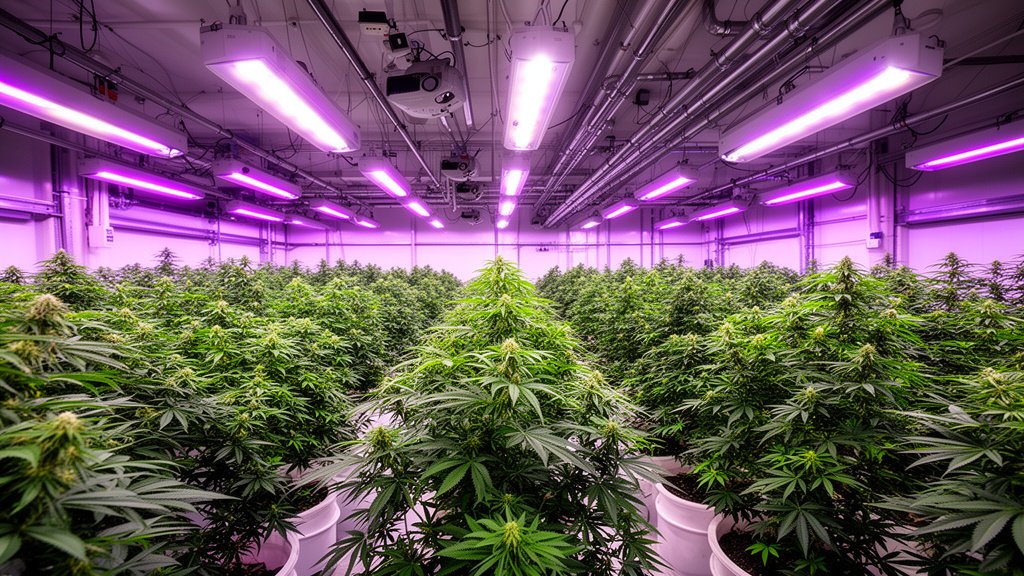
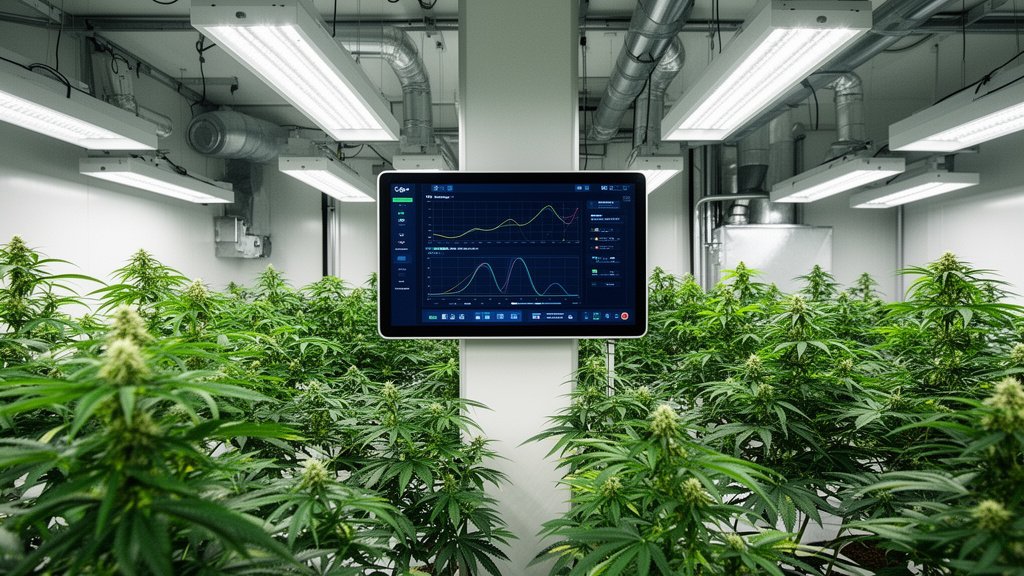
This regulatory update poses significant challenges and necessitates proactive measures from cannabis businesses operating or aspiring to operate in the EU market. The stricter delineation between GACP and GMP means companies must meticulously validate their entire production chain. Industry experts advise businesses to conduct early gap analyses to pinpoint cultivation areas requiring enhanced validation. Special attention should be given to environmental parameters such as light, humidity, and temperature, which are critical for consistent product quality.
The revisions emphasize rigorous documentation, end-to-end traceability, and robust quality assurance systems from seed selection through to delivery. Growers will face increased liability, underscoring the importance of adhering to the updated GACP standards. The expectation is that even initial processing steps, if performed in the field, will require documentation, control, and validation aligned with GMP principles.
Companies seeking to navigate this complex regulatory environment should prioritize investment in personnel training, facility design, and advanced quality control systems that can withstand stringent audits. Seeking expert advice on compliance solutions will be crucial to ensure adherence to these evolving national and EU-level regulations, safeguarding market credibility and patient safety.
Broader European Cannabis Landscape
This HMPC decision unfolds within a dynamic and often disparate European cannabis landscape. While some countries like Germany, Malta, and the Czech Republic are moving towards decriminalization or regulated access for medical and even recreational cannabis, the regulatory framework for medicinal products remains highly stringent and fragmented. The EMA’s stance reinforces the EU’s cautious approach to cannabis as a herbal medicinal product, highlighting the continued demand for robust scientific evidence and standardized quality to ensure patient safety and product efficacy across the continent.
In conclusion, while the HMPC’s decision not to establish an EU herbal monograph for cannabis flowers may seem like a setback for some, it underscores the EU’s unwavering commitment to pharmaceutical-grade quality and safety. The imminent new GACP rules, coupled with a clearer distinction from GMP, will undoubtedly reshape cultivation and manufacturing practices. Industry players who proactively adapt and embrace these higher standards will be best positioned for long-term success in Europe’s evolving cannabis market.