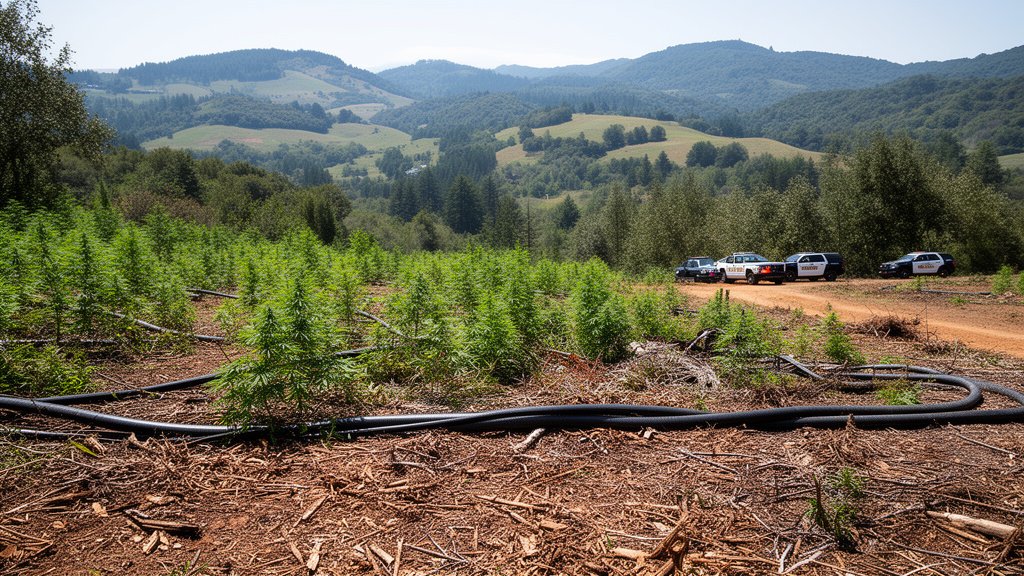
Excise Tax Troubles: Canadian Cannabis Producers Face Tax Bills for Stolen Product
The nascent Canadian cannabis industry, already navigating a complex web of regulations and market volatility, is now grappling with a peculiar and frustrating issue: paying excise tax on products that have been stolen. This unexpected consequence of Canada’s legal cannabis framework is raising eyebrows and highlighting the inherent challenges of operating within a regulated market.
The Unexpected Tax Liability
At the heart of the matter is the excise tax, a levy imposed on cannabis products at various stages of production and sale. While the intent of the tax is to generate revenue and regulate the market, some cannabis producers are finding themselves in the unenviable position of owing this tax even when their product is no longer in their possession due to theft. This means that if a company’s product is stolen from their facility or during transit, they may still be liable for the excise tax on those stolen goods.
This situation stems from the current interpretation and enforcement of excise tax regulations. The tax is generally levied at the time the product leaves the licensed facility or is sold to a retailer. Consequently, the tax obligation is often triggered before the product reaches the consumer, and even before it’s vulnerable to theft. The tax remains due, regardless of whether the company receives any revenue from the stolen product.
Challenges of a Legal Cannabis Business
The legal cannabis industry in Canada is facing several difficulties. High operating costs, stringent regulations, and competition from both licensed and illicit market operators are already impacting profitability. The unexpected burden of paying excise tax on stolen product adds another layer of financial strain to these businesses. This is especially difficult for smaller producers or those with tighter margins.
The theft of cannabis products, like other high-value commodities, is a reality that businesses must contend with. Security measures, insurance, and the risk of loss are all part of the operational calculus. However, the added challenge of being taxed on stolen goods creates a unique and potentially damaging scenario.
Navigating the Regulatory Landscape
The issue has prompted discussions within the industry and with regulatory bodies. Cannabis producers are seeking clarity on the application of excise tax in these cases and exploring potential solutions. Some are advocating for changes in regulations, seeking tax relief or rebates for products that are demonstrably stolen.
It remains to be seen how regulators will respond to these concerns. Addressing the issue could involve amending tax rules or providing clearer guidelines for producers facing theft. The outcome of these discussions will have a significant impact on the financial viability of cannabis businesses across Canada.
The Bigger Picture
This situation underscores the broader complexities of regulating a new and evolving industry. While the legal cannabis market in Canada has seen considerable growth and development, it continues to be challenged by a variety of problems that can impede business performance and profitability. As the market matures, companies and regulators will be required to adapt and adjust. Understanding the impacts of taxes on stolen goods highlights the necessity of a stable and clear regulatory framework. The ongoing challenge of dealing with excise tax on stolen cannabis serves as a reminder of the issues facing a young market, and the need for ongoing refinement of the rules that govern it.