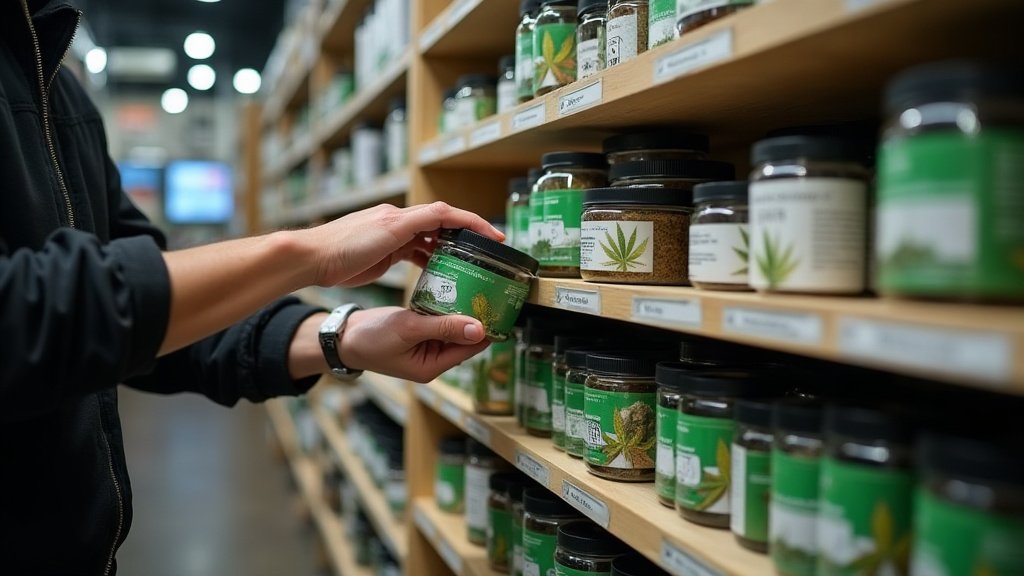
On November 12, 2026, the landscape of the American hemp market underwent a seismic shift as the first phase of the federal ban on intoxicating, hemp-derived products took effect. Targeting compounds not capable of natural production by the cannabis plant—specifically synthesized cannabinoids such as THC-O, HHC, and certain high-potency isomerized extracts—this directive has forced a rapid compliance pivot across the Midwest. Illinois and Missouri, two states with mature and heavily regulated cannabis frameworks, have moved aggressively to align their local statutes with this new federal standard, creating an immediate ripple effect throughout local distribution chains, retail storefronts, and manufacturing facilities.
Key Highlights
- Effective Date: The federal prohibition on non-naturally occurring hemp-derived cannabinoids became enforceable nationwide on November 12, 2026.
- Specific Restrictions: The ban focuses on synthetic derivatives like THC-O-acetate, signaling an end to the unregulated grey market that thrived under the 2018 Farm Bill.
- Illinois/Missouri Response: Regulators in both states have begun enforcement actions, mandating that retailers remove non-compliant stock or face licensure re-evaluation.
- Economic Impact: Small to mid-sized retailers relying on hemp-derived intoxicating products are facing immediate revenue losses and inventory liquidation challenges.
Navigating the Regulatory Reset: The 2026 Compliance Pivot
The implementation of Phase One of the federal hemp crackdown represents a direct confrontation with the regulatory ambiguity that has defined the hemp industry for nearly a decade. Since the passage of the 2018 Farm Bill, manufacturers exploited a loophole that allowed for the synthesis of intoxicating cannabinoids from CBD extracted from hemp. While the 2018 legislation intended to legalize industrial hemp, it inadvertently created a multi-billion dollar market for synthetic variants. The November 12, 2026, enforcement action is the culmination of years of lobbying by both the traditional cannabis industry—which faces higher taxes and strict regulation—and public safety advocates concerned about the lack of testing on unregulated synthetic products.
The View from Illinois: Adjusting the Cannabis Regulation and Tax Act
Illinois has historically taken a proactive stance regarding its cannabis ecosystem. Following the federal announcement, the Illinois Department of Agriculture and the state’s cannabis regulatory bodies issued immediate guidance. Retailers selling products that fall under the new “synthetic derivative” definition are now subject to administrative actions that could threaten their broader retail licenses. For Illinois dispensaries that diversified into hemp-derived products to offset high tax burdens, this presents a significant operational hurdle. Industry analysts suggest that Illinois will likely prioritize “clearing the shelves” over immediate criminal prosecution, but the grace period is expected to be short-lived, with inspections ramping up throughout late November and December.
Missouri’s Tactical Shift in Hemp Oversight
In Missouri, the Division of Cannabis Regulation has moved in lockstep with federal guidelines. Missouri’s hemp market grew rapidly as an accessible alternative to the state’s licensed medical and recreational marijuana programs. However, the state’s reliance on the federal definition of “controlled substances” has allowed the Division to integrate these new federal bans into existing state law without the need for emergency legislative sessions. The immediate impact is a “stop-sell” directive affecting thousands of retailers, from specialized vape shops to convenience stores that became hubs for hemp-derived THC products. The economic fallout here is expected to be more acute in rural areas where access to state-licensed cannabis dispensaries is more limited.
Secondary Angles: The Unintended Consequences
1. The Legacy Market Effect: One of the most significant, yet overlooked, impacts of this phase is the potential migration of consumers. With synthetic hemp products pulled from shelves, experts predict a significant influx of consumers back into the “legacy” or unregulated marijuana market, or alternatively, a surge in demand for state-licensed products that may be priced out of reach for some demographics.
2. Manufacturing and Supply Chain Consolidation: The ban fundamentally changes the business model for hemp processors. Companies that previously pivoted to THC-O and other synthesized cannabinoids are now forced to revert to fiber or CBD-isolate production. This shift is likely to lead to a wave of bankruptcies for mid-sized processing facilities that lack the capital to pivot their production lines rapidly.
3. The Preemption Battle: There is ongoing tension between state and federal authority. While Illinois and Missouri are complying, other states have threatened to challenge the FDA’s reach into hemp regulation, setting the stage for constitutional battles over whether the federal government can dictate the chemical composition of substances that were previously declared legal under the 2018 Farm Bill.
FAQ: People Also Ask
Q: Does this ban affect all CBD products?
A: No. The federal mandate specifically targets synthetic cannabinoids and those not naturally occurring in the cannabis plant (e.g., THC-O). Standard CBD products that do not exceed federal THC thresholds remain unaffected.
Q: What should retailers in Illinois and Missouri do with current inventory?
A: Regulatory bodies in both states have advised retailers to halt sales immediately and consult with legal counsel regarding the destruction or return of non-compliant inventory to suppliers to avoid administrative penalties.
Q: Will there be more phases of this ban?
A: Yes. The November 12 implementation is explicitly labeled as “Phase One.” Future phases are expected to address standardized testing requirements, packaging restrictions, and potentially lower THC concentration limits for all hemp-derived products to curb recreational abuse.
Q: Is it illegal to possess these products now?
A: While the enforcement focus is currently on distribution, retail, and manufacturing, possession of these reclassified substances may now fall under controlled substance statutes, depending on specific state interpretations of the new federal reclassifications.