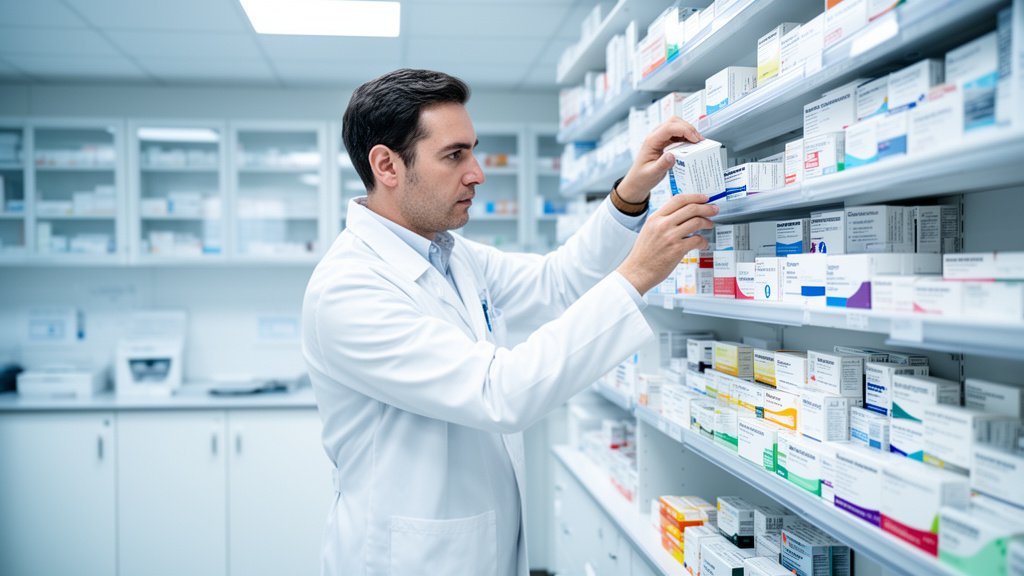
After a protracted multi-year legislative delay, the Spanish medical cannabis market has officially transitioned from a state of regulatory uncertainty to operational reality. Following the finalization of the framework established by the Spanish Agency of Medicines and Medical Devices (AEMPS), patients across the nation are now beginning to access standardized medical cannabis preparations. This pivot marks a definitive shift in Spain’s approach to chronic pain management and pharmaceutical regulation, aligning the country more closely with established European markets such as Germany and Italy.
The Regulatory Framework: AEMPS and the New Standard
The activation of the Spanish framework is a culmination of intense negotiations between the Ministry of Health, the AEMPS, and pharmaceutical stakeholders. Unlike the fragmented or recreational-leaning policies seen in other jurisdictions, Spain has opted for a highly controlled, clinically-driven model. The AEMPS has mandated that all medical cannabis preparations must meet rigorous pharmaceutical standards, ensuring that products are standardized in terms of cannabinoid content, purity, and consistency. This regulatory gatekeeping is designed to integrate medical cannabis directly into the formal Spanish National Health System (SNS), removing it from the shadow market and placing it squarely within the domain of hospital-based clinical practice.
Curaleaf’s Operational Blueprint
Curaleaf International has emerged as the primary mover in this initial phase. By successfully registering their standardized preparations with the AEMPS, the company has cleared the most significant hurdle facing any entrant into the Spanish market: regulatory compliance. The company is currently coordinating a complex logistics operation to supply 50 public and private hospitals. This rollout is not merely a commercial expansion; it is a critical infrastructure test for Spain’s medical distribution network. By focusing on hospital pharmacies rather than retail dispensaries, the AEMPS is prioritizing a supervised environment where specialized physicians can prescribe and monitor patient outcomes, treating the substance as a pharmaceutical intervention rather than a consumer product.
The Clinical Shift in Pain Management
For the Spanish medical community, the arrival of these products represents a new therapeutic tool for treating specific conditions, such as refractory chronic pain, multiple sclerosis, and spasticity. For years, Spanish physicians have been limited in their ability to prescribe cannabis-based therapies, often referring to “off-label” uses or relying on international compounding pharmacies. The new framework standardizes this process. The presence of high-grade, medically approved preparations allows for precise dosing, which is essential for therapeutic efficacy and safety. Clinical data from the wider European market suggests that this structured approach significantly improves patient adherence and reduces adverse side effects compared to non-standardized alternatives.
Addressing the Secondary Angles
1. The Economic Impact on Domestic Biotech: The entry of international giants like Curaleaf is expected to catalyze the domestic Spanish biotech and pharmaceutical sector. Local firms are already pivoting to provide the necessary support services, including specialized clinical training and pharmaceutical-grade distribution logistics, creating a new vertical within the Spanish healthcare economy.
2. The Regional vs. National Tension: While the AEMPS provides the national framework, the implementation remains subject to regional health authority oversight in Spain’s autonomous communities. Analysts are watching closely to see how quickly regional health budgets will incorporate these new preparations into their standard formulary, a process that could introduce variable access times across different provinces.
3. The ‘Pharmaceutical-First’ Paradigm: This rollout signals a permanent departure from the debate over legalization. By treating cannabis strictly as an API (Active Pharmaceutical Ingredient) within hospital pharmacies, Spain is creating a firewall between medical use and the broader social debate on recreational legalization. This allows for clinical progress to proceed without the political drag of social policy disputes.
The Path Ahead: Scaling and Patient Access
The next 12 months will be critical for the Spanish market. The 50 hospitals currently involved in the initial rollout serve as the pilot phase. Success in these centers—measured by physician uptake, patient efficacy, and regulatory compliance—will likely trigger a broader expansion. As the supply chain matures and the regulatory comfort level increases, it is anticipated that additional products and broader indications for use will be added to the AEMPS approved list. For now, the focus remains on reliability, safety, and seamless integration into the existing hospital pharmacy ecosystem.
FAQ: People Also Ask
Is this rollout the first step toward recreational legalization in Spain?
No. The Spanish government and the AEMPS have been explicit in separating the medical cannabis framework from any recreational legalization discussions. This initiative is strictly limited to medical preparations dispensed via hospital pharmacies for patients with specific, authorized medical conditions.
How can patients access these medical cannabis preparations?
Access is highly restricted and requires a prescription from a qualified specialist. Patients must consult with their doctor, who will determine if they meet the specific criteria set forth by the AEMPS. The medicine is then dispensed specifically through hospital pharmacies, not through retail dispensaries or private clinics.
What makes these preparations different from other cannabis products?
These preparations are “standardized,” meaning they have been manufactured to meet stringent pharmaceutical quality standards. They possess a precise, consistent ratio of cannabinoids and are free from contaminants, ensuring that every dose is identical. This differs significantly from non-regulated or “wellness” market products, which lack this clinical oversight.
Which hospitals are part of the initial rollout?
The list of participating institutions includes a mix of large public academic hospitals and private specialized pain clinics. The rollout is currently focused on regions with the highest concentration of specialized pain management departments to ensure the most effective initial monitoring of patient outcomes.