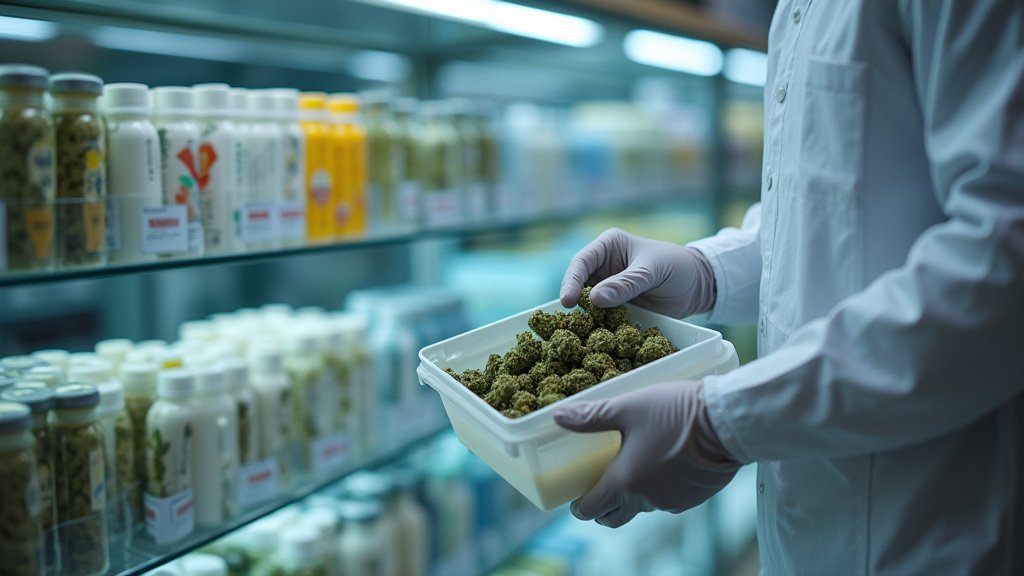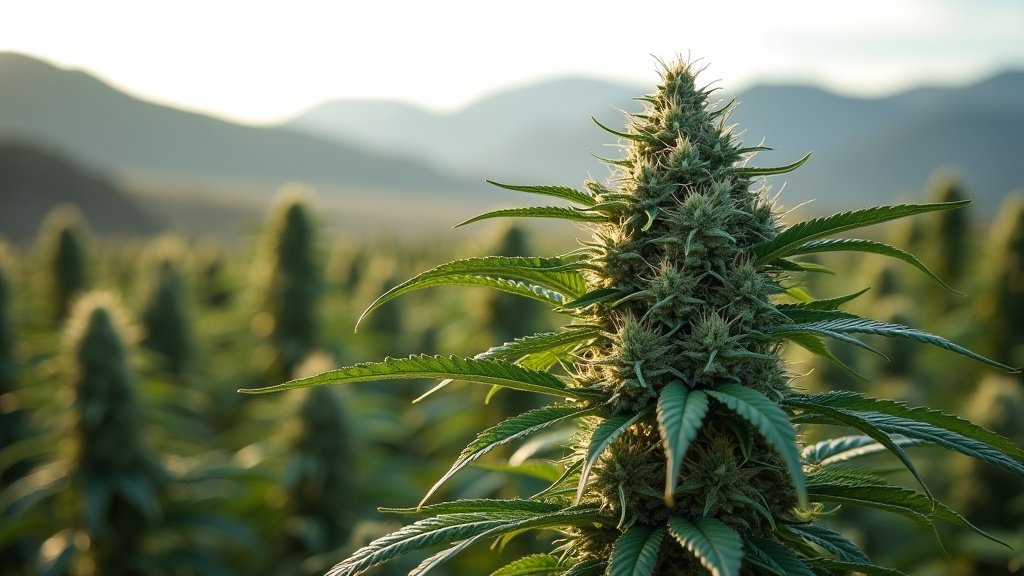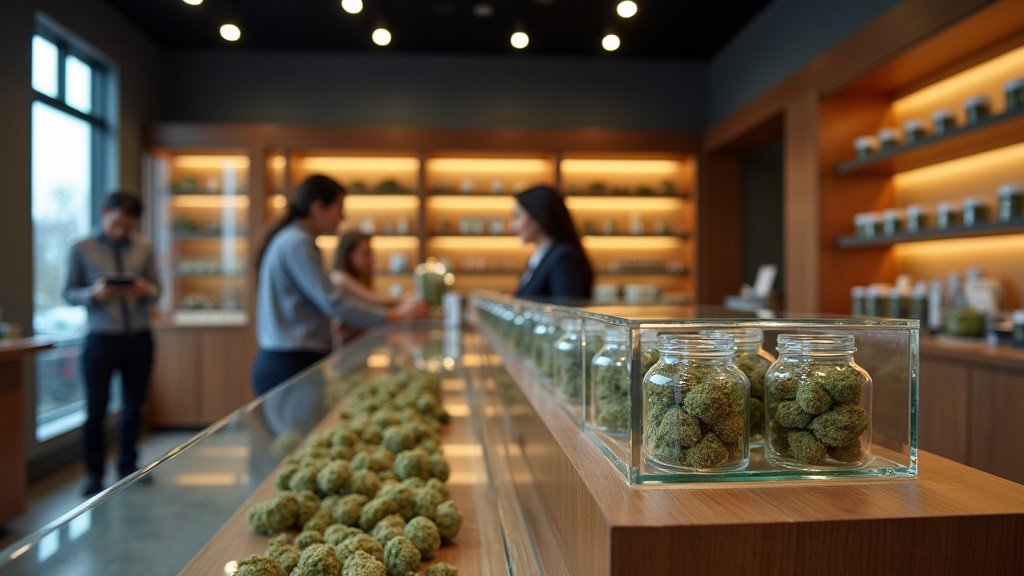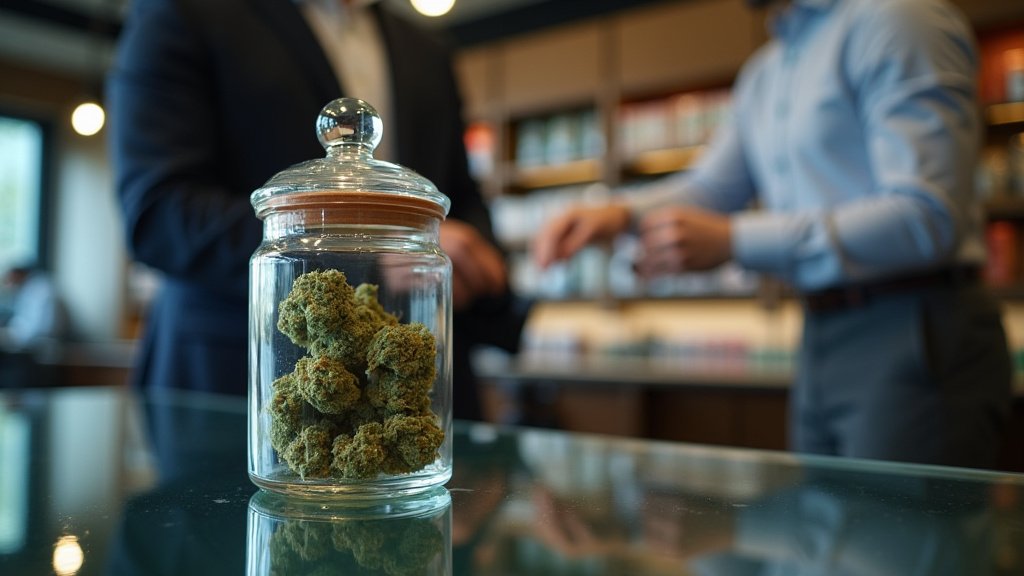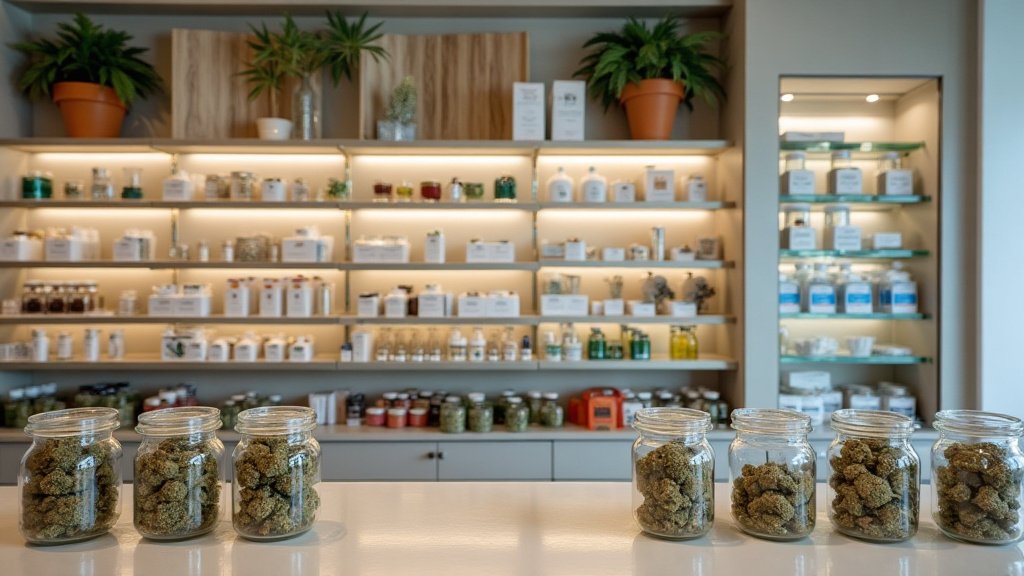
As of November 2026, the U.S. cannabis market has reached a stage of unprecedented consumer sophistication. Monthly sales data from legal recreational and medical dispensaries reveals a dual-track trend: while consumers are increasingly educated about terpene profiles and specific cannabinoid ratios, they continue to flock to proven, high-performing legacy strains. The search for the most popular cannabis strains in the U.S. currently highlights a fascinating intersection between historical reliability and modern genetic engineering, with brands that can deliver consistent experiences across state lines dominating the leaderboard.
Key Highlights
- The Persistence of Icons: Perennial favorites like Blue Dream continue to hold top-tier market share, proving that genetic consistency outweighs the novelty of new ‘hype’ strains.
- The Runtz Dominance: Runtz and its various phenotypic expressions remain the undisputed heavyweights of modern recreational sales, driven by aggressive branding and wide availability.
- Terpene-Led Purchasing: Consumers are shifting away from the ‘THC percentage myth,’ with data showing a 14% increase in sales for strains marketed by terpene profiles (e.g., Limonene, Myrcene).
- Regional Divergence: While national trends exist, regional markets like California and New York show distinct preferences for locally bred genetics, creating a fragmented but vibrant ecosystem.
The Genetic Landscape: Market Trends of November 2026
The cannabis industry in the United States has matured significantly over the last 24 months. Analytics from firms like Headset and BDSA confirm that as of November 2026, the ‘Top 15’ list is not just a collection of names, but a reflection of supply chain stability. Strains that are easier to cultivate at scale, yield well in commercial environments, and survive the processing rigors of modern packaging facilities now account for nearly 60% of all legal retail revenue.
The Blue Dream vs. Runtz Dilemma
Blue Dream remains an anomaly in the data. Despite being a ‘legacy’ strain, its ubiquity in every major legal market—from Washington to Maine—keeps it firmly in the top three for unit volume. It is the definition of a ‘safe’ consumer choice. Conversely, the rise of Runtz represents the new guard. With its distinct visual bag appeal and candy-forward flavor profile, it has managed to capture the younger demographic (ages 21–35) effectively. The tension between these two genetic lineages defines the modern dispensary shelf: Blue Dream offers reliability, while Runtz offers the social-media-driven ‘hype’ that drives foot traffic.
The Shift from Potency to Profile
For years, the industry relied on the ‘high THC’ marketing strategy to move product. However, as of late 2026, we are witnessing a pivot. Sophisticated packaging now highlights the terpene content—specifically the presence of Linalool, Caryophyllene, and Pinene. Consumers are beginning to associate specific strains not just with ‘getting high,’ but with specific ‘states of being’—energized, focused, or sedated. This educational shift is helping lesser-known, high-terpene strains break into the top 15, competing directly with the high-THC juggernauts.
Economic Implications of Brand Scalability
Why do certain strains stay on top? The answer is economic. Cultivators are under immense pressure to maximize harvest-to-market speed. Strains that flower in 8-9 weeks and produce dense, mold-resistant buds are financially superior. This creates a feedback loop: cultivators grow what is easy to grow, retailers stock what is available, and consumers buy what is stocked. This economic efficiency explains why we see such stalwarts in the top 15, even while hundreds of ’boutique’ strains struggle to gain shelf space.
Future Predictions: The Rise of Craft Genetics
Looking ahead to 2027, analysts predict a slight decline in the dominance of mass-produced, multi-state strain staples. As home-grow legislation expands and smaller, craft-focused micro-cultivators gain legal footing, we expect to see more regional diversity in the top 15 charts. The ‘cannabis sommelier’ trend—where consumers seek out rare genetics and artisanal drying/curing processes—is poised to disrupt the market share currently held by large-scale commercial brands.
FAQ: People Also Ask
Q: Why do some strains like Blue Dream stay popular for so long?
A: Consistency and familiarity. Consumers know exactly what to expect from Blue Dream, and for the casual or medical user, that predictability is a primary selling point over the volatility of new, untested strains.
Q: How do dispensaries decide which strains to stock?
A: Dispensaries use proprietary analytics software to track ‘sell-through’ rates, customer demographic preferences, and profit margins. They prioritize high-velocity items (like top 15 strains) to keep revenue steady while mixing in higher-margin craft products.
Q: Are the ‘most popular’ strains always the best quality?
A: Not necessarily. ‘Popularity’ in this context is defined by sales volume and retail availability. While these strains are high quality, often the ‘best’ craft-grown cannabis is produced in such small batches that it never appears on national ‘most popular’ lists.