Growing Cannabis: A Beginner’s Handbook
Cultivating cannabis at home can seem daunting, but with the right knowledge and approach, it’s an achievable endeavor for beginners. This guide offers a foundational understanding of the process, emphasizing key steps and considerations for successful cultivation.
Getting Started: Essential Preparations
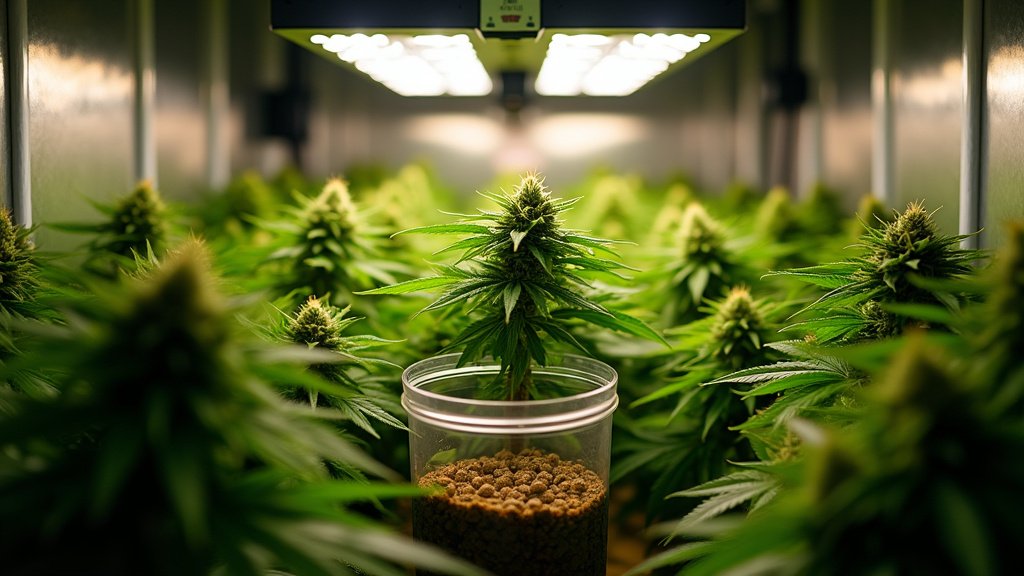
The initial step for any aspiring cannabis grower is to begin with a limited number of plants. This strategy allows newcomers to grasp the fundamentals of cultivation without being overwhelmed. Alongside this, investing in quality equipment is vital. Full-spectrum LEDs, for instance, are highly recommended for optimal yields, providing the necessary light spectrum for robust plant growth.
Cultivating Indoors: Setting Up Your Grow Space
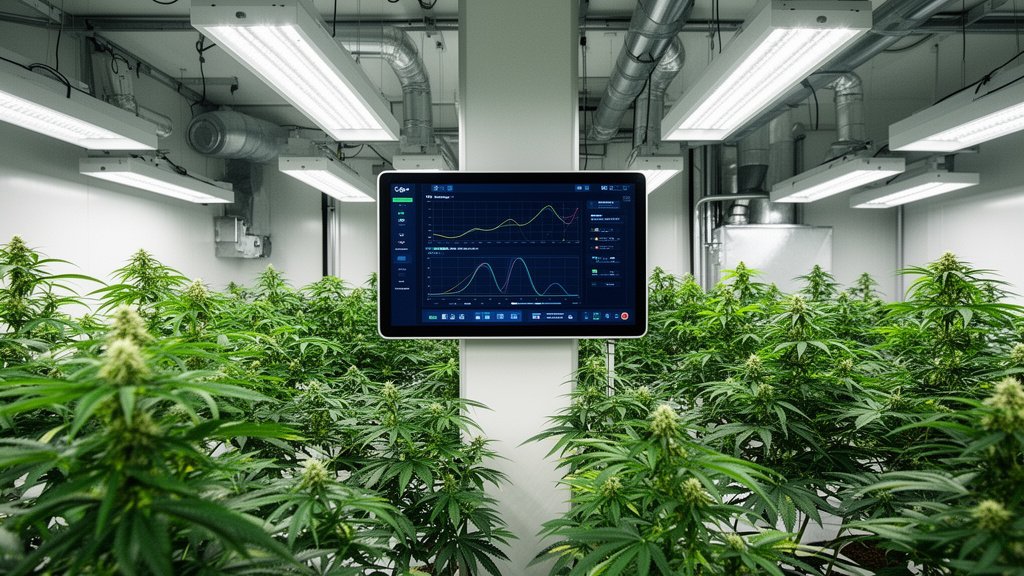
For indoor cultivation, the environment is entirely under your control. The ideal indoor grow space should be clean and free of carpets. Proper ventilation is crucial to maintain air quality and prevent mold or mildew. A nearby water source is also essential for watering plants. Grow tents are a popular and effective option, providing a contained environment that is easier to control.
Indoor Environment: Soil, pH, and Monitoring
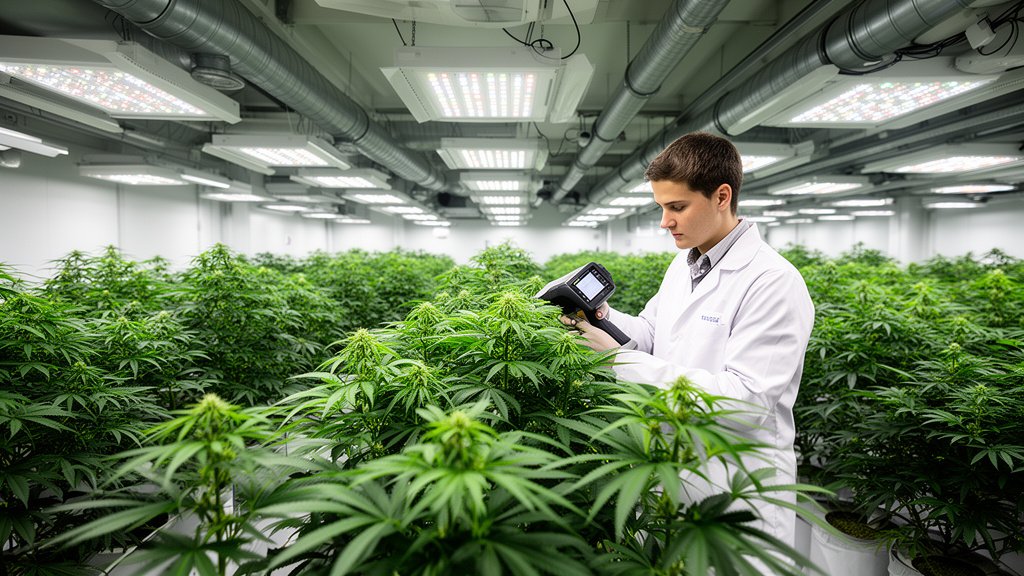
The choice of growing medium significantly impacts plant health. Quality soil or coco coir are the typical choices. Maintaining the correct pH levels is essential. For soil-based grows, aim for a pH between 6.0 and 7.0. Coco coir/hydroponic systems thrive in a slightly more acidic environment, ideally at a pH of 5.5-6.5. Keeping a detailed journal is a cornerstone of successful cultivation. Record everything from watering schedules and nutrient additions to any observations about the plants’ health. This data is critical for understanding what works and what doesn’t.
Outdoor Cultivation: Sunlight and Security
Outdoor growing presents its own set of considerations. To successfully cultivate cannabis outdoors, you’ll need at least six months of warm, sunny weather. A secure, private, and legal growing location is also paramount.
Seedling Stage: Providing Optimal Conditions
The seedling stage is a critical phase in the cannabis life cycle. During this period, seedlings require high humidity, ideally between 65-70%, and gentle light for approximately 18 hours a day. Overwatering should be avoided, as should adding nutrients if the soil already has preloaded nutrients. Some guides stress that the plant will be most vulnerable if the soil PH is too low.
Soil Testing and Amendments
Conducting soil testing is a valuable practice to determine pH levels and identify any deficiencies. Improving soil quality with compost and other amendments can enhance plant health and productivity. The cannabis plant thrives with a balanced level of nutrients.
Light, Temperature, and Humidity
To ensure vigorous growth, plants need at least 18 hours of light, ideally from a full-spectrum bulb. Maintain temperatures between 70°–85°F (21°–29°C). Humidity levels should be kept high, especially during the seedling stage, to help the plant absorb the nutrients in the soil.
Germination and Growth Stages
The life cycle of cannabis begins with germinating seeds in a wet, dark place. Following germination, the seedling stage requires consistent care. The plant will need 18-24 hours of sunlight, moist soil, and mild humidity.
Harvesting and Drying: Preserving Quality
The harvesting phase involves cutting the plant into branches. The drying process is crucial for preserving the quality of the buds. Dry them in a cool, dark room with a humidity level between 40 and 50%. This will prevent the growth of fungus and bacteria. The drying process typically takes 7 to 14 days.