The landscape for hemp-derived THC products, ranging from popular gummies to the burgeoning sector of cannabis seltzers, has been granted a temporary stay of execution. Following complex negotiations regarding agricultural legislation, a potential federal ban has been deferred until December 11, 2026. While this delay provides a window of operational continuity for manufacturers, retailers, and distributors, it has done little to quell the underlying anxiety surrounding the future of a $28-billion industry that has flourished in the regulatory gray area created by the 2018 Farm Bill.
Key Highlights
- Legislative Reprieve: The federal crackdown on hemp-derived cannabinoids has been pushed to December 11, 2026, allowing brands to maintain current production schedules.
- Market Exposure: The $28-billion hemp market is bracing for significant restructuring if proposed bans on intoxicating hemp-derived products are codified into law.
- Category Disruption: The sector most at risk includes non-alcoholic, THC-infused social beverages and edibles, which have seen massive adoption in non-legalized states.
- Congressional Standoff: Ongoing debates within the House Agriculture Committee highlight a fundamental divide between agricultural advocates and public safety proponents regarding the classification of hemp.
Navigating the Legislative Precipice: The Hemp-THC Crossroads
The current state of the hemp market is a direct byproduct of the 2018 Farm Bill, which successfully legalized industrial hemp but inadvertently created a loophole. By removing hemp from the Controlled Substances Act, the legislation paved the way for the extraction of delta-8 THC, delta-9 THC, and other cannabinoids from hemp plants, provided the final product contained less than 0.3% delta-9 THC by dry weight. This definition, intended for fiber and seed production, birthed a consumer-facing industry that has grown into a $28-billion economic engine.
The Rise of the Social Beverage Sector
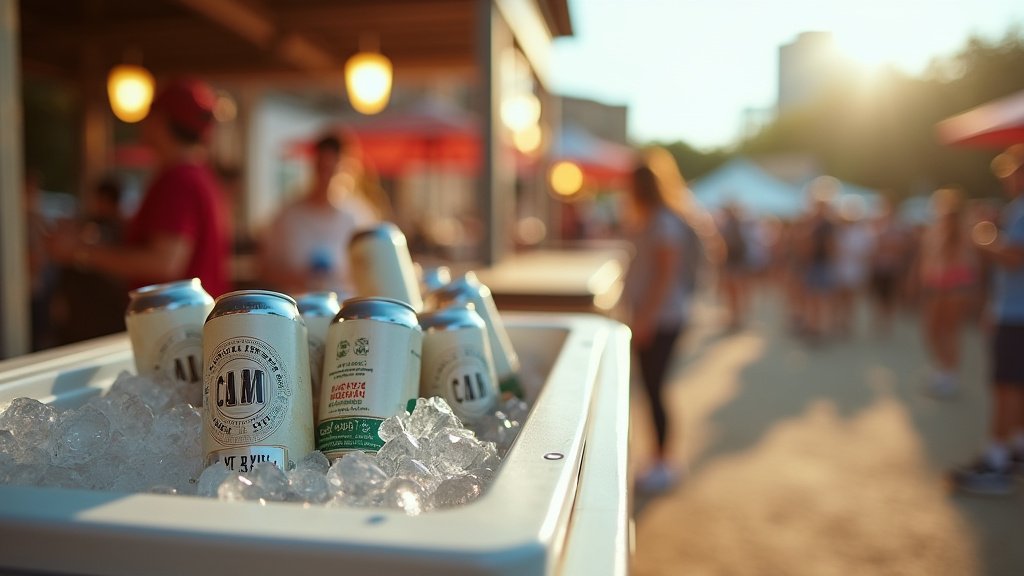
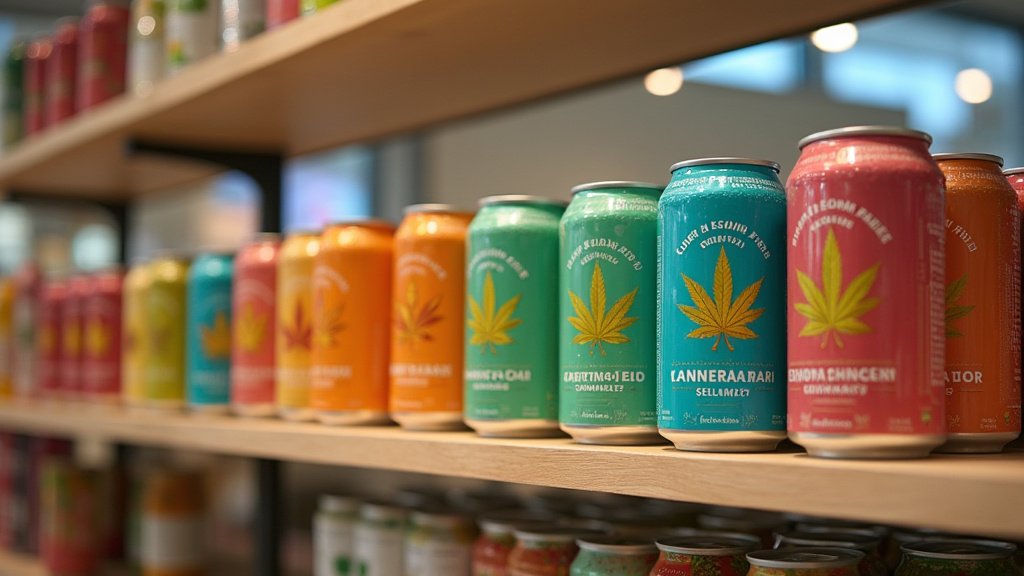
One of the most innovative, yet vulnerable, sub-sectors is the cannabis-infused beverage industry. Unlike traditional smokable products, these seltzers and non-alcoholic cocktails have positioned themselves as direct competitors to the alcohol industry. By utilizing the federal hemp loophole, these companies have distributed products through convenience stores and mainstream retail outlets, reaching demographics that previously avoided traditional cannabis dispensaries. The December 2026 deadline forces these firms to face a reality where their entire business model—dependent on federal legality—could be upended if the language in the next Farm Bill explicitly classifies these high-potency hemp derivatives as controlled substances.
The Regulatory Tussle: FDA vs. Industry
Entities such as the U.S. Hemp Roundtable have been lobbying aggressively to protect the current regulatory status, arguing that a ban would decimate small businesses and eliminate thousands of jobs. Conversely, members of the House Agriculture Committee have expressed concerns over the lack of age-gating and safety testing for these products. The FDA (Food and Drug Administration) has remained largely non-committal on the safety profile of these concentrated extracts, citing a lack of comprehensive longitudinal data. This regulatory silence has left the industry navigating a minefield where state-level crackdowns often conflict with federal ambiguity.
Secondary Angles: Exploring the Fallout
1. The State-Level Tax Revenue Dilemma: Many states that have not legalized recreational marijuana have inadvertently become reliant on the tax revenue generated by hemp-derived THC retailers. A federal ban would not only disrupt commerce but create a significant fiscal hole for state budgets that have incorporated these revenues into their operational planning.
2. The Shift in ‘Intoxicant’ Definitions: The upcoming legislative cycle is expected to focus on redefining ‘hemp’ to explicitly exclude products meant for intoxication. This shift represents a philosophical change in how federal regulators view agriculture versus public health, potentially establishing a precedent for how all future botanical extracts are classified.
3. Innovation in Non-Alcoholic Alternatives: Brands are currently pivoting toward ‘cannabinoid-adjacent’ products that utilize terpenes and non-THC compounds as a hedge against the 2026 deadline. This R&D race could lead to a new class of social beverages that exist entirely outside the THC regulatory framework, regardless of the ultimate outcome of the Farm Bill.
FAQ: People Also Ask
1. Why is December 11, 2026, a critical date?
It marks the current legislative extension window for agricultural policies. By this date, Congress is expected to have passed a comprehensive Farm Bill that will likely include specific language either legitimizing or banning intoxicating hemp-derived cannabinoids.
2. Will my favorite gummies be banned immediately after the deadline?
It depends on the final language of the legislation. If the law classifies hemp-derived THC as a controlled substance, distribution would likely cease immediately, although inventory liquidation periods are sometimes granted in similar legislative transitions.
3. How does this differ from state-legal cannabis?
State-legal cannabis is highly regulated, tracked from ‘seed-to-sale,’ and strictly limited to licensed dispensaries. Hemp-derived THC is currently sold across state lines via e-commerce and mainstream retail, bypassing the state-level regulatory systems, which is the primary concern for federal lawmakers.
4. Is the $28-billion industry at total risk?
The entire industry is not at risk; however, the portion of the market specifically selling intoxicating hemp products is at significant risk. Hemp fiber, CBD wellness, and grain markets are largely unaffected by these specific legislative proposals.