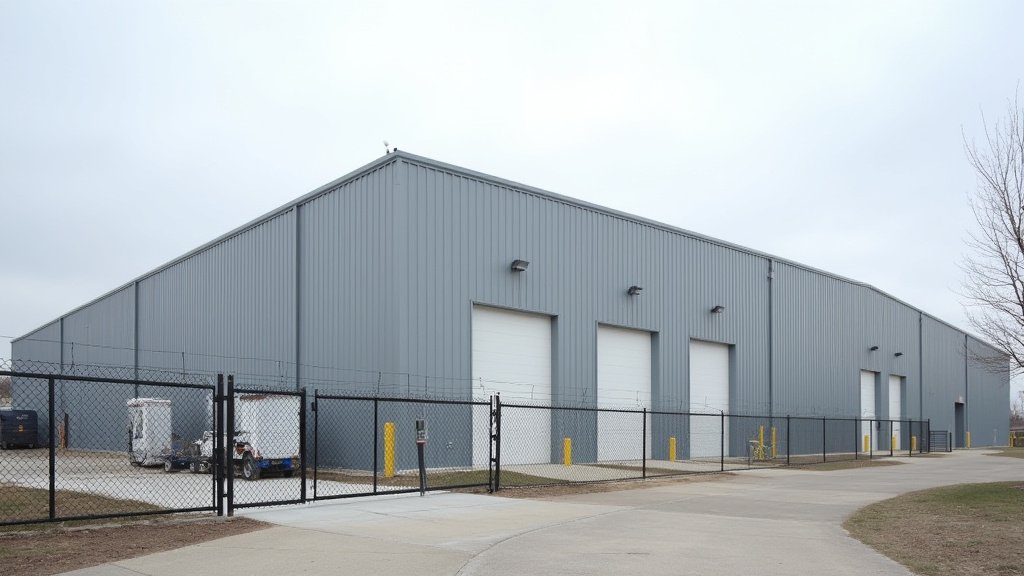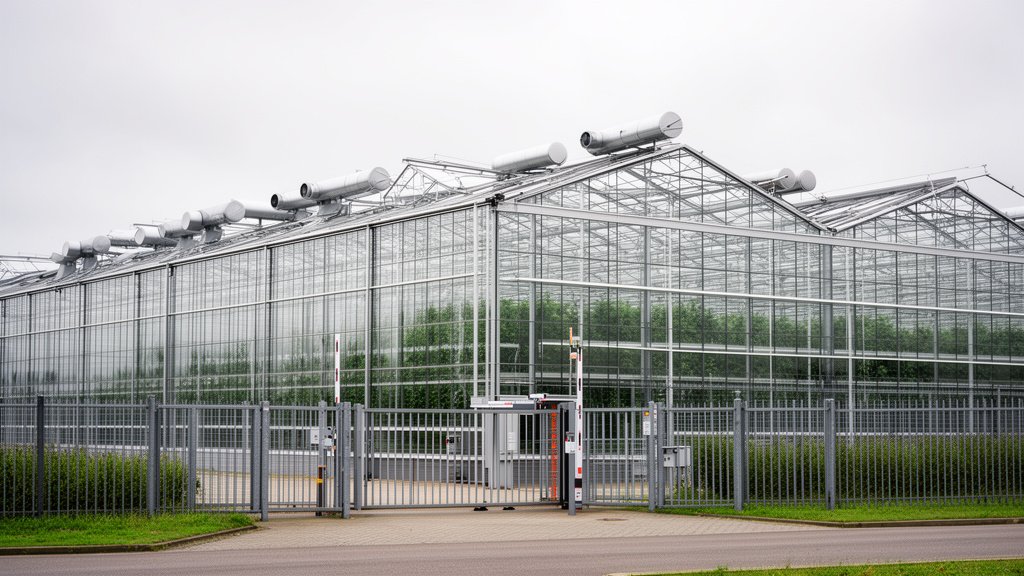
In a stunning display of regulatory muscle, the Michigan Cannabis Regulatory Agency (CRA) has delivered a death blow to GP Holdings, officially revoking the company’s operating licenses following a scandal of historic proportions. The core of this enforcement action centers on an audacious logistical failure: the company was caught processing and distributing shipments that consisted of nothing more than dirt, deceptively labeled and documented as high-grade cannabis products. This $2 million administrative fine and subsequent license revocation represent one of the most severe penalties in the history of the Michigan recreational cannabis market.
The Mechanics of the Deception
The investigation, which has sent ripples of anxiety through Michigan’s cannabis industry, was sparked by discrepancies in the state’s mandatory seed-to-sale tracking system. GP Holdings, a firm once viewed as an established player in the Great Lakes region’s booming green economy, allegedly bypassed strict oversight protocols to offload inventory that failed to meet quality or quantity standards. By labeling shipping containers filled with soil as marijuana, the company attempted to manipulate inventory numbers, likely to cover up shrinkage, crop failures, or theft within their processing facilities.
For the regulators at the CRA, the issue was not merely the loss of product, but the systemic breakdown of integrity. The shipment of non-cannabis material under the guise of regulated product poses a catastrophic risk to supply chain security. It allows bad actors to obfuscate the origin of products and potentially inject black-market goods into the legal supply chain, completely undermining the purpose of the state’s rigorous testing and licensing framework.
A Regulatory Iron Fist
The $2 million fine is not just a financial penalty; it is a signal of the CRA’s new, aggressive posture. For years, legal cannabis markets across the U.S. have struggled with the ‘wild west’ reputation. Michigan, by aggressively pursuing and shuttering a company of this size for blatant fraud, is attempting to prove that the regulatory walls are concrete. The agency noted in its filing that the license revocation was necessary to protect the health, safety, and welfare of the public—a standard justification, but one backed by unprecedented administrative action here.
The regulatory failure at GP Holdings suggests that the oversight mechanisms, while robust, can still be challenged by internal manipulation. The state’s reliance on the Metrc tracking system—the digital ledger that follows every gram of cannabis from seedling to sale—was effectively weaponized or bypassed by the operator. Investigators found that the documentation provided to transporters did not match the physical contents of the shipments, a direct violation of the Marijuana Regulatory Agency’s compliance statutes. This case highlights a critical vulnerability: if a licensee is willing to engage in internal document forgery, even the best digital tracking systems have a human-in-the-loop weakness that must be addressed.
Economic Shockwaves and Market Confidence
The fallout for the Michigan cannabis market is expected to be multifaceted. First, the closure of such a large operator creates a sudden vacuum in the distribution network. Wholesale prices, which have seen significant volatility, may experience temporary spikes as retailers scramble to replace supply contracts previously held by GP Holdings. This is a classic supply-side shock, and while it creates a buying opportunity for competitors, it also signals to investors that the Michigan cannabis sector is maturing—perhaps ‘cleaning up’ in a way that is painful but necessary for long-term viability.
Furthermore, the impact on consumer confidence cannot be overstated. When a legal operator is caught shipping dirt, it erodes the very premise of the ‘legal’ cannabis industry: that the product is tested, safe, and controlled. It hands a powerful narrative to critics of legalization, who have long argued that the industry would be rife with corruption. Restoring public trust will require the state to double down on transparency, perhaps by mandating more third-party audits of shipping containers and inventory audits, rather than relying solely on the operator’s self-reported data.
The Future of Compliance and Oversight
Looking forward, the GP Holdings case will likely serve as a case study for cannabis regulators nationwide. The consensus among industry analysts is that we are witnessing the end of the industry’s ‘growth at all costs’ phase. The focus is shifting to ‘compliance at all costs.’ Companies that fail to maintain rigorous internal controls will find themselves increasingly vulnerable to regulatory intervention.
We anticipate a wave of new compliance-focused tech startups aiming to solve the issue of ‘blind spots’ in supply chains. These technologies will likely focus on IoT-enabled shipping containers that verify weight and content density in real-time, preventing exactly the type of fraudulent mislabeling that led to this crisis. The GP Holdings scandal proves that trust, while essential, is not a strategy. The state has proven it is willing to burn down the house to clean the pipes, and every other operator in Michigan is now on notice: the era of lax oversight is over.
FAQ: People Also Ask
Q: How did the company successfully ship dirt as marijuana without being caught sooner?
A: The company exploited gaps in the verification process between the processing facility and the distribution point. By inputting false data into the state’s tracking system and relying on transporters who did not physically verify the contents against the labels, they were able to bypass initial checks. The scheme was eventually uncovered through a combination of audit discrepancies and internal whistleblowing.
Q: Is this the largest fine ever levied by the Michigan Cannabis Regulatory Agency?
A: While fine amounts are confidential in some administrative contexts, a $2 million penalty combined with a permanent license revocation is considered one of the most punitive and significant actions taken by the CRA to date. It is a clear warning to other operators.
Q: What happens to the cannabis inventory owned by the company now that it is closed?
A: Typically, upon the revocation of a license, the regulator appoints a receiver or provides a strict window for the disposition of existing assets. The state must ensure that no illicit or non-compliant product enters the legal market while allowing for the orderly liquidation of legitimate, tested inventory, if any exists.