Morocco is rapidly solidifying its position as a global player in the legal cannabis industry, witnessing a dramatic expansion in cultivation areas and the introduction of dozens of new cannabis-derived products. This strategic shift, formalized by Law 13-21 enacted in 2021, is transforming a historically informal sector into a regulated market, aimed at boosting rural economies, fostering innovation, and capturing international markets.
Cultivation Sees Unprecedented Growth
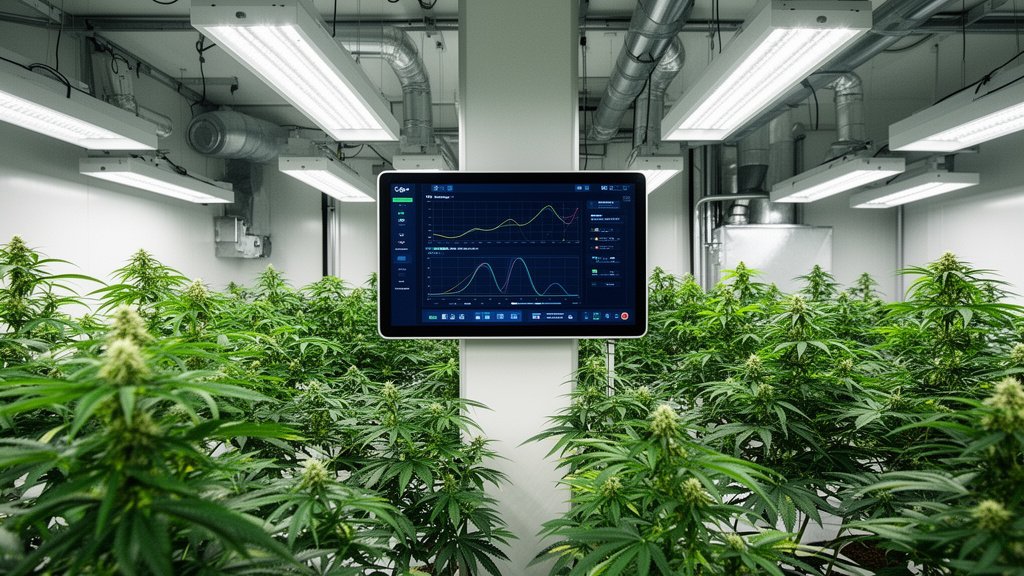
The traditional heartland of Moroccan cannabis cultivation, particularly in the northern Rif region, is now the epicenter of a legal agricultural revolution. This season alone, the cultivation area for the indigenous ‘beldia’ cannabis strain has surged to an impressive 4,400 hectares, a more than threefold increase from the previous year’s 1,400 hectares. This expansion involves approximately 4,490 farmers, organized into 250 cooperatives, who are now operating under a regulated framework. An additional 1,340 hectares have been authorized for cultivation using imported seeds, engaging another 1,650 farmers across 50 cooperatives. In total, legal cannabis cultivation areas have expanded significantly, with reports indicating over 2,700 hectares cultivated in 2024, producing an estimated 4,000 to 4,200 tonnes of cannabis biomass. This substantial increase in cultivation signals a commitment to formalizing the sector and meeting growing domestic and international demand.
A New Era of Cannabis Products
Beyond expanding cultivation, Morocco has made significant strides in developing value-added cannabis products. The Moroccan Agency for Medicines and Health Products (ANMAP) has approved a total of 67 cannabis-derived products, marking a critical step in transitioning from raw material to sophisticated market offerings. Among these approvals are 26 cosmetic items and 41 dietary supplements. These new products, which include cannabidiol (CBD) oils, capsules, and formulations aimed at improving sleep, alleviating pain, and enhancing skin health, are now available in Moroccan pharmacies. The introduction of these regulated products, adhering to strict quality and safety standards, signifies Morocco’s ambition to build a robust, innovation-driven cannabis industry.
Strengthening Regulatory Framework and Oversight
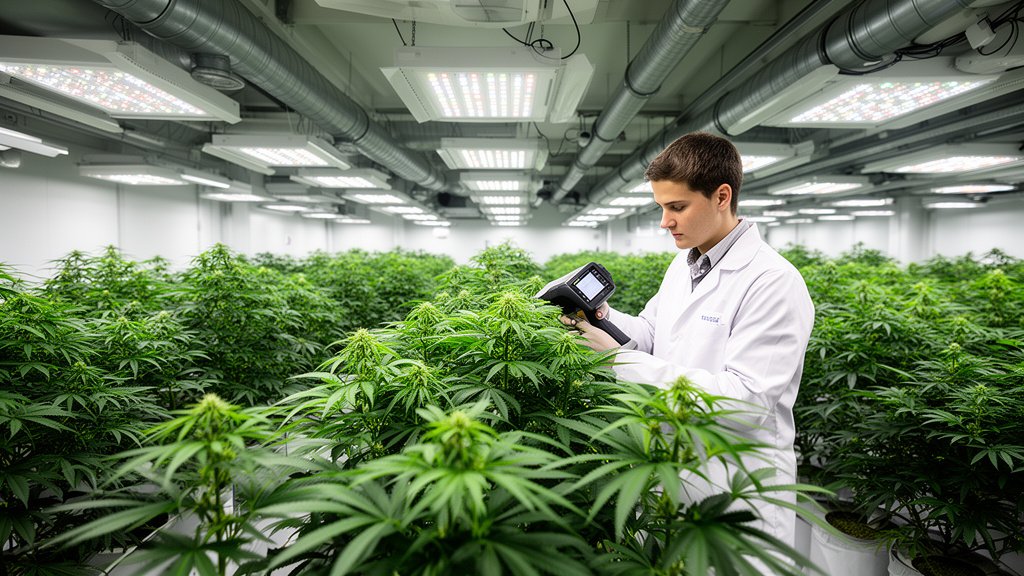
The rapid expansion of Morocco’s legal cannabis sector is underpinned by intensified regulatory oversight and a comprehensive legal framework. The National Agency for the Regulation of Cannabis Activities (ANRAC), established in 2022, plays a pivotal role in managing licenses, monitoring operations, and ensuring compliance. By the end of 2024, ANRAC had conducted over 2,200 inspections to enforce national laws and quality standards. The agency has issued thousands of licenses for cultivation, processing, and export, demonstrating a structured approach to sector development. Furthermore, royal pardons have been extended to thousands of farmers previously convicted for illegal cultivation, facilitating their integration into the legal economy and fostering trust within the community. This comprehensive regulatory approach aims to prevent diversion to the illicit market and position Morocco as a reliable supplier on the global stage.
Economic Transformation and Global Ambitions
Morocco’s legal cannabis reform is driven by a clear vision for economic transformation. The market is projected to experience substantial growth, with some estimates valuing the medical cannabis sector at $110 million in 2024 and forecasting it to reach $885 million by 2030. By leveraging its favorable climate, established cultivation expertise, and proximity to European markets, Morocco aims to capture a significant share of the global cannabis market, estimated to be worth billions of dollars. The focus on medical, cosmetic, and industrial uses aligns with evolving international standards and public health goals. The legal framework not only provides economic opportunities for farmers but also supports the development of a sophisticated, export-oriented industry.
Advice for Farmers and the Path Forward
For Moroccan farmers, the transition from an informal to a legal sector offers new pathways to income stability and development. The government’s support through ANRAC, coupled with the promotion of resilient local strains like ‘Beldia’, provides a foundation for sustainable cultivation. The availability of advice and training through cooperatives is crucial for farmers adapting to new agricultural practices and regulatory requirements. As Morocco continues to navigate this evolving landscape, its commitment to regulated cannabis production, product innovation, and international market integration positions it as a key emerging force in the global legal cannabis industry. The careful implementation of policies and ongoing efforts to ensure fair distribution of economic benefits will be vital for the long-term success and sustainability of this transformative sector.