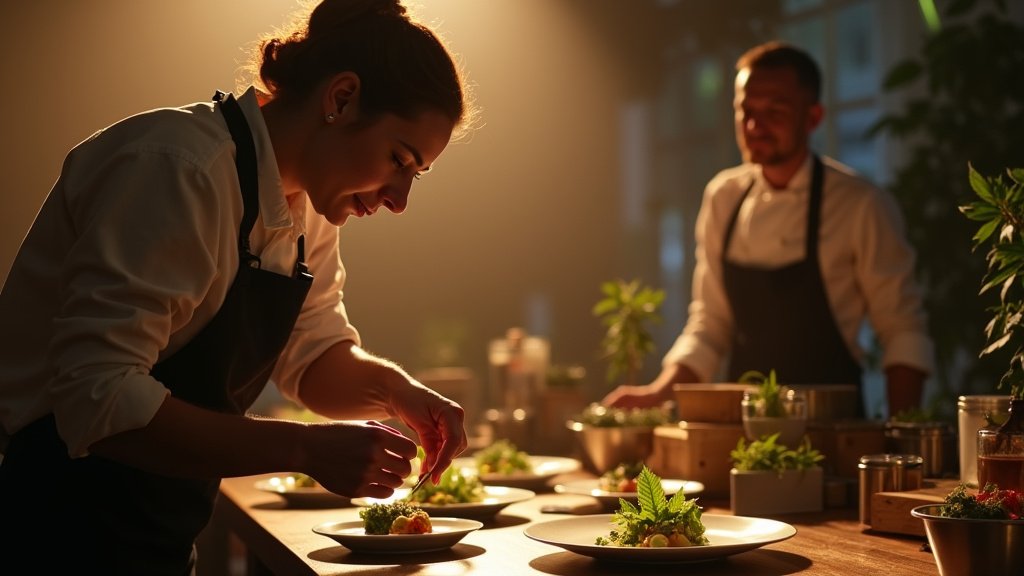
Netflix’s foray into the burgeoning world of cannabis-themed television with “Cooked with Cannabis” aimed to elevate weed cuisine beyond stereotypes, offering an educational and glossy competition. However, while it features accomplished hosts and impressive culinary artistry, the series ultimately struggles to find an engaging balance between its educational mission and pure entertainment, leaving many viewers underwhelmed.
A Budding Concept with Star Power
Premiering in April 2020, “Cooked with Cannabis” followed in the footsteps of Netflix’s earlier “Cooking on High.” This six-episode series is co-hosted by Grammy-nominated singer and trained chef Kelis, and acclaimed cannabis cuisine expert Leather Storrs. Each installment features three professional chefs tasked with creating a three-course cannabis-infused meal around a specific theme, such as backyard BBQ or international cuisine. The goal is to impress a panel of celebrity judges and win a $10,000 prize, showcasing sophisticated uses of cannabis beyond edibles like brownies.
The show positions itself as an educational platform, demystifying cannabis as a culinary ingredient. Through on-screen graphics and host interactions, “Cooked with Cannabis” explains concepts like THC and CBD, their effects, and the science behind infusing food, aiming to break down stigmas and highlight the plant’s gastronomic potential. The chefs themselves are presented as knowledgeable artisans, meticulously planning their dishes, sometimes down to specific milligram dosages of THC and CBD to craft a desired experience.
The Struggle for Engagement
Despite its polished production and the expertise of its hosts, “Cooked with Cannabis” has been met with a lukewarm reception, with some critics finding it fails to deliver on entertainment value. A recurring critique is the show’s perceived lack of stakes and competitive tension. While the chefs are skilled, the format, which often allows all contestants to complete their dishes, and judges who appear overly relaxed, diminish the urgency typically found in cooking competitions. Some reviewers noted that the show’s focus on educational explanations, while informative, can detract from the pacing and overall fun, leaving it feeling more like a lesson than a thrilling contest.
The panel of guest judges, referred to as “best buds,” has also been a point of contention, with some finding their presence makes the show “insanely busy and messy”. Furthermore, the inherent humor in cannabis culture can be difficult to translate to a broad audience, particularly those who are not under the influence while watching, leading to a tone that some find wavering between serious culinary demonstration and lighthearted stoner humor.
Context in the Growing Cannabis Media Landscape
“Cooked with Cannabis” is part of a broader trend of increased cannabis-related content across streaming platforms. Netflix, in particular, has explored this genre with shows like “Disjointed” and the predecessor “Cooking on High,” as well as documentaries that delve into the history and legalization of marijuana. The proliferation of such shows reflects a growing mainstream acceptance of cannabis and an effort by media companies to tap into this expanding market. However, “Cooked with Cannabis” has not achieved the same critical acclaim as some of its contemporaries, such as Viceland’s “Bong Appétit,” which is often cited as a more successful example of cannabis-themed television.
Conclusion
“Cooked with Cannabis” makes a valiant effort to present cannabis cuisine in a sophisticated and educational light. Its high production value, charismatic hosts Kelis and Leather Storrs, and the genuine skill of the competing chefs are undeniable. Yet, the series ultimately falls short of being truly fun or gripping. It remains an interesting, if somewhat dry, exploration of cannabis as a culinary ingredient, but it doesn’t quite hit the mark in transforming that niche interest into must-watch television for a mass audience within the competitive streaming tv landscape.