The landscape of intoxicating hemp-derived products is facing its most significant threat to date, as a convergence of legislative action and courtroom litigation forces a reckoning for the burgeoning industry. At the heart of the conflict is a tension between established alcohol retailers, who argue for stricter regulatory parity, and hemp producers, who view the current legislative efforts as a backdoor to recriminalization.
Key Highlights
- Rep. Nick LaLota (R-NY) has introduced legislation proposing a color-coding system for hemp-derived THC beverages to enhance consumer safety and age verification.
- Major alcohol industry groups are lobbying Congress to intervene, citing concerns over market competition and the lack of a standardized regulatory framework for hemp drinks compared to alcohol.
- Critical litigation is unfolding in Texas and Virginia, where hemp companies are challenging state-level bans and restrictions that threaten to shut down local supply chains.
- The industry is calling for a delay in federal recriminalization efforts, arguing that the 2018 Farm Bill provides a clear, albeit misunderstood, legal path for these products.
The Legislative and Regulatory Frontline
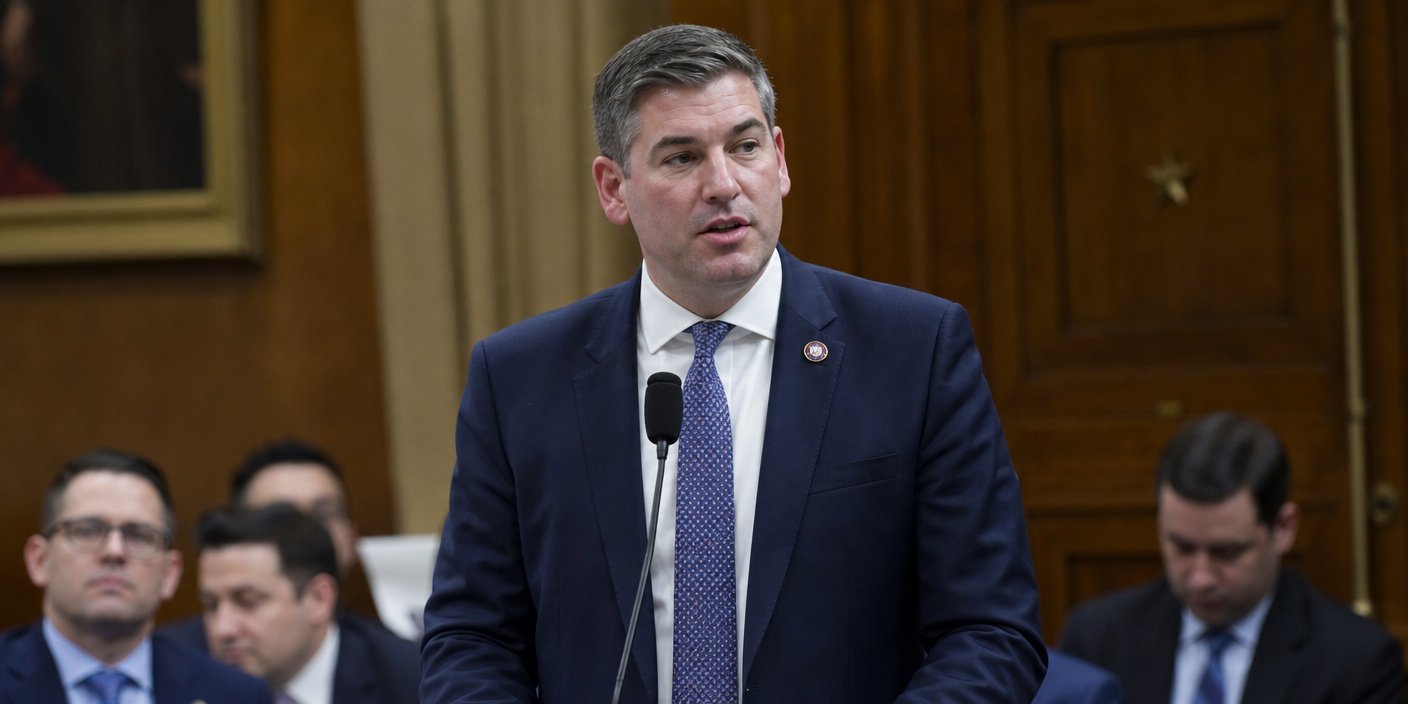
Recent legislative moves have accelerated the debate over hemp-derived cannabinoids. The introduction of the proposal by Rep. Nick LaLota marks a pivotal moment in this ongoing conflict. The bill, which emphasizes a color-coded warning and regulatory system for cannabis-infused beverages, is framed by supporters as a necessary step to protect consumers—particularly minors—from products that mimic popular alcohol brands while operating outside the stringent licensing and tax structures of the alcohol industry.
However, for producers of hemp-derived THC drinks, the bill represents an existential threat. Many in the industry argue that the focus on color-coding is a pretext for more restrictive measures that could effectively push hemp-infused products out of the retail market entirely. The call for such regulation comes at a time when traditional alcohol retailers, represented by organizations like the National Beer Wholesalers Association (NBWA), have intensified their lobbying efforts. These retailers argue that hemp-derived THC beverages have created an uneven playing field, often being sold in convenience stores and supermarkets without the same age-gate requirements or excise taxes that apply to beer, wine, and spirits.
The Economic Implications of Market Parity
The financial stakes are substantial. The hemp-derived THC beverage market has exploded in recent years, capitalizing on the 2018 Farm Bill’s legalization of hemp—defined as cannabis with less than 0.3% delta-9 THC by dry weight. By utilizing high-volume extraction methods, companies have created beverages that provide psychoactive effects, effectively competing with craft seltzers and light beers. Alcohol retailers contend that this is a loophole that requires immediate federal closure. Conversely, producers argue that this market represents a necessary evolution in beverage consumption, offering consumers an alternative to alcohol that is often perceived as lower in caloric content and distinct in its physiological effects.
If the federal government moves toward recriminalization or imposes the restrictive color-coding and labeling schemes proposed, the economic impact could be catastrophic for thousands of small-to-mid-sized businesses. Supply chains that have been built over the last five years would face immediate disruption, leading to inventory losses and potentially wiping out the investments of stakeholders who relied on the legal clarity provided by the 2018 Farm Bill.
State-Level Litigation: The Battle for Survival
While the federal legislative debate continues, the front lines of this war are currently in state courthouses. In Texas and Virginia, hemp industry coalitions have launched aggressive lawsuits against state agencies that have attempted to classify or restrict hemp-derived products through administrative fiat rather than legislative process.
In Texas, the state’s Department of State Health Services has faced repeated challenges regarding its attempts to ban certain hemp-derived cannabinoids, such as delta-8 THC. Plaintiffs in these cases argue that state agencies are overstepping their authority and contradicting federal law. Similarly, in Virginia, the hemp industry has sought injunctive relief against state policies that would effectively eliminate the sale of hemp-infused drinks. These lawsuits are seen by analysts as a litmus test for the industry’s ability to survive state-level crackdowns while waiting for federal clarity. The momentum behind these suits is growing, with industry leaders signaling that they are prepared to take these cases to the highest levels of the judiciary to establish a precedent of federal preemption.
Strategic Outlook and Future Trends
The trajectory of the hemp-THC beverage market depends heavily on whether Congress views these products as a public health concern or a legitimate new sector of the consumer goods economy. If the current legislative push fails to gain traction, the industry may find itself in a protracted “gray zone” that continues to invite lawsuits and state-level bans. Alternatively, if moderate legislation like that proposed by Rep. LaLota passes, it could provide a roadmap for the industry to integrate into mainstream retail, provided the compliance costs do not prove prohibitive.
Observers predict that the next 12 to 18 months will be the most volatile period for the industry since 2018. Companies are advised to prepare for increased regulatory scrutiny by tightening their own internal standards, enhancing age-verification software, and proactively engaging with local regulators to demonstrate that they are responsible stewards of the market.
FAQ: People Also Ask
1. Why are alcohol retailers pushing to regulate hemp THC drinks?
Alcohol retailers argue that hemp-derived THC beverages compete directly with beer and spirits but operate under a significantly different (and less costly) regulatory, tax, and age-verification framework. They see this as an unfair market advantage.
2. What is the significance of Rep. Nick LaLota’s proposed legislation?
Rep. LaLota’s bill aims to introduce a color-coded warning system for hemp-derived cannabis beverages. This is viewed by legislators as a consumer safety measure but by the industry as a potential barrier to entry that could be used to restrict access to these products.
3. How does the 2018 Farm Bill affect this situation?
The 2018 Farm Bill legalized hemp (cannabis with <0.3% delta-9 THC). The current debate stems from a disagreement on whether the bill intended to allow for the production and sale of intoxicating hemp-derived beverages, with the industry saying 'yes' and many regulators saying 'no.'
4. What are the key legal battles currently happening?
There are ongoing lawsuits in states like Texas and Virginia where hemp industry advocates are challenging state-level restrictions on cannabinoids, arguing that these states are violating federal standards and suppressing a legal industry.
5. What is the likely future for these beverages?
Future outcomes range from federal prohibition and severe restrictions to a new federal regulatory framework that brings hemp drinks under a system similar to alcohol regulation, including taxes and age-restricted distribution.